Search test library by skills or roles
⌘ K

Data Operations Manager Test

The Data Operations Manager Test evaluates a candidate's proficiency in managing databases using SQL Server, establishing ETL processes, and applying data modeling techniques. It also assesses knowledge of Linux system administration through scenario-based MCQs, focusing on key areas such as database optimization, security, and performance tuning.

Covered skills:

  • SQL Server Administration
  • ETL Processes
  • Data Modeling Techniques
  • Linux System Administration
  • Database Optimization
  • Data Warehousing
  • SQL Query Writing
  • Linux Shell Scripting
  • Data Integration Tools
  • Database Security
  • Performance Tuning
  • Data Backup and Recovery
Get started for free
Preview questions

About the Data Operations Manager Assessment Test


The Data Operations Manager Test helps recruiters and hiring managers identify qualified candidates from a pool of resumes, and helps in taking objective hiring decisions. It reduces the administrative overhead of interviewing too many candidates and saves time by filtering out unqualified candidates at the first step of the hiring process.

The test screens for the following skills that hiring managers look for in candidates:

  • Capable of configuring and maintaining SQL Server environments
  • Proficient in designing efficient ETL workflows for data processing
  • Skilled in creating and optimizing data models for business requirements
  • Adept in managing Linux systems for Database Operations
  • Able to optimize database performance and query execution
  • Experienced in implementing data warehousing solutions
  • Competent in writing complex SQL queries for data retrieval and analysis
  • Efficient in automating tasks using Linux shell scripting
  • Knowledgeable in using data integration tools for seamless data movement
  • Familiar with implementing robust database security measures
  • Capable of performing advanced performance tuning techniques
  • Prepared to handle data backup and recovery processes effectively

1200+ customers in 80 countries


Use Adaface tests trusted by recruitment teams globally. Adaface skill assessments measure on-the-job skills of candidates, providing employers with an accurate tool for screening potential hires.

customers in 75 countries
Get started for free
Preview questions

Non-googleable questions


We have a very high focus on the quality of questions that test for on-the-job skills. Every question is non-googleable and we have a very high bar for the level of subject matter experts we onboard to create these questions. We have crawlers to check if any of the questions are leaked online. If/ when a question gets leaked, we get an alert. We change the question for you & let you know.

How we design questions

These are just a small sample from our library of 15,000+ questions. The actual questions on this Data Operations Manager Test will be non-googleable.

🧐 Question

Medium

Backup Strategy
Backups
Troubleshooting
Data Recovery
Disaster Recovery
Solve
As a DBA, you receive an alert notifying you that the production database has gone offline due to a severe issue. Fortunately, you have a proper backup strategy in place. The backups are performed as follows:

1. Full database backup every Sunday at 2:00 AM.
2. Differential backup every day at 2:00 AM, except Sunday.
3. Transaction log backup every hour.
Today is Wednesday, and the failure occurred at 10:15 AM. You have the following backup files available:

1. Full backup: Full_Backup_Sun.bak taken on Sunday 2:00 AM.
2. Differential backups: Diff_Backup_Mon.bak, Diff_Backup_Tue.bak, Diff_Backup_Wed.bak taken at 2:00 AM on their respective days.
3. Transaction log backups: Hourly backups from Sunday 3:00 AM until Wednesday 10:00 AM, like TLog_Backup_Wed_09.bak, TLog_Backup_Wed_10.bak.
Given the RPO (Recovery Point Objective) of 15 minutes, which of the following sequences of restore operations would ensure minimal data loss?
A: Full_Backup_Sun.bak, Diff_Backup_Wed.bak, then all Transaction Log backups from Wednesday.

B: Full_Backup_Sun.bak, Diff_Backup_Tue.bak, then all Transaction Log backups from Tuesday and Wednesday.

C: Full_Backup_Sun.bak, Diff_Backup_Wed.bak, then Transaction Log backups from Wednesday 2:00 AM to 10:00 AM.

D: Full_Backup_Sun.bak, then all Transaction Log backups from Sunday to Wednesday 10:00 AM.

E: Full_Backup_Sun.bak, Diff_Backup_Mon.bak, Diff_Backup_Tue.bak, Diff_Backup_Wed.bak, then Transaction Log backups from Wednesday 2:00 AM to 10:00 AM.

Medium

Optimizing Query Performance
Indexing
Join Optimization
Execution Plans
Solve
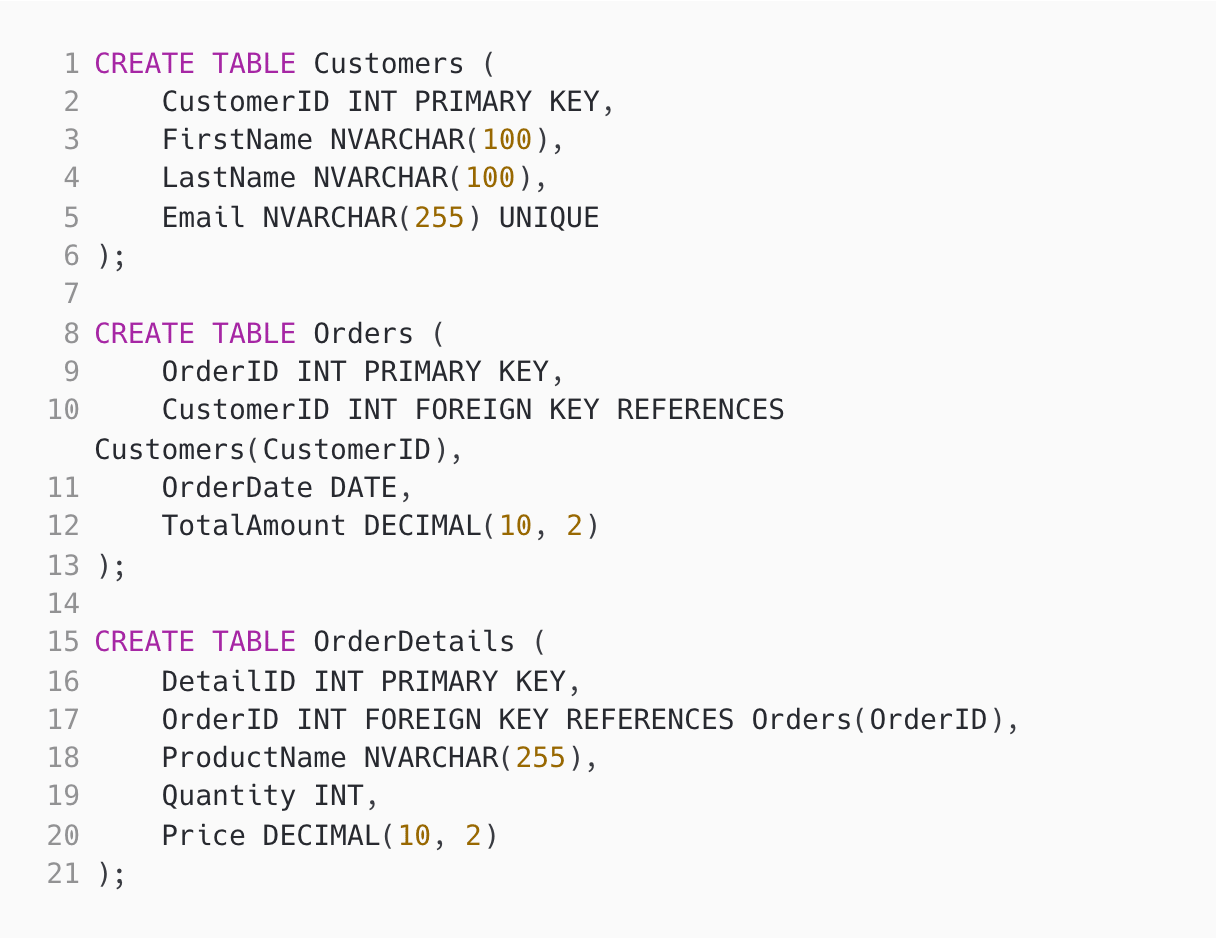
You are managing a SQL Server database for a large e-commerce platform. The database contains the following tables:
 image
Users often run a query to retrieve all orders from a specific date along with customer details and a breakdown of each order. Lately, this query has been performing poorly, especially on days with a high volume of orders.

Given this schema, which of the following changes would MOST LIKELY enhance the performance of this query?
A: Create a non-clustered index on Orders(OrderDate, OrderID) and a clustered index on OrderDetails(OrderID).
B: Create a clustered index on Orders(CustomerID, OrderDate) and a non-clustered index on OrderDetails(ProductName).
C: Increase the size of the OrderDetails(ProductName) column and add more RAM to the SQL Server machine.
D: Create a clustered index on Orders(OrderDate) and a non-clustered index on OrderDetails(OrderID, Quantity).
E: Partition the Orders table on OrderDate and create a non-clustered index on OrderDetails(DetailID, Price).

Medium

Transaction Isolation
Transaction Isolation Levels
Snapshot Isolation
Resource Management
Troubleshooting
Solve
You are managing a SQL Server instance that is experiencing performance degradation. After some analysis, you realize that the TempDB is under heavy stress due to numerous long-running transactions. Users have reported that some SELECT queries on a large table, named SalesData, are slower than expected.

You consider implementing Snapshot Isolation to mitigate blocking issues. You're aware that Snapshot Isolation uses TempDB to store row versions.

Given the situation, which combination of actions will help alleviate the stress on TempDB and enhance the performance of SELECT queries on SalesData?
A: Move TempDB to a faster storage subsystem and enable Snapshot Isolation for SalesData.
B: Increase the number of TempDB data files, shrink TempDB size, and enable Snapshot Isolation for the database.
C: Implement Read Committed Snapshot Isolation (RCSI) for the database and partition the SalesData table.
D: Reduce the TempDB size, implement table partitioning on SalesData, and enable Read Uncommitted isolation level for the SELECT queries.
E: Create a non-clustered index on frequently queried columns of SalesData and enable row versioning for the entire database.

Medium

Transaction Log Management
Performance Tuning
Log Management
Solve
You are a DBA at a large company managing an SQL Server database which is crucial for daily operations. The database is configured with the Full recovery model. The database is experiencing considerable transaction log growth during business hours, which is impacting the disk space and performance.

The following operations are performed on this database:

1. A large ETL process that runs every night, which transforms and loads data into several tables.
2. A data archiving job that runs every night, which removes old data from several tables.
3. Frequent read/write operations during the day as part of normal business operations.

Given this scenario, which of the following strategies could help manage the transaction log growth effectively?
A: Switch to the Simple recovery model.
B: Schedule frequent log backup and cleanups during business hours.
C: Shrink the transaction log file size during business hours.
D: Increase the database file size.

Medium

Data Merging
Data Merging
Conditional Logic
Data Transformation
Sql
Solve
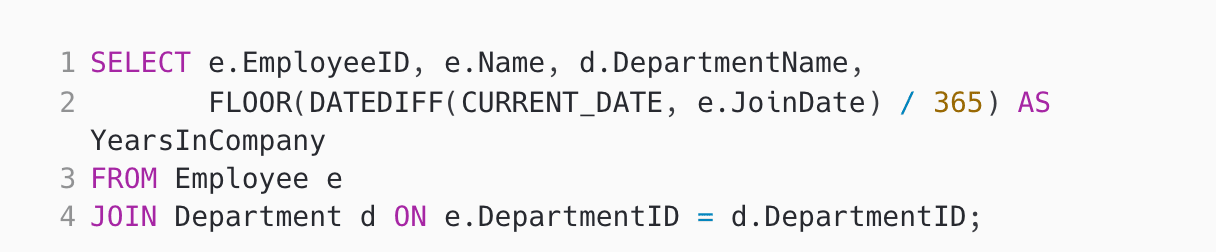
A data engineer is tasked with merging and transforming data from two sources for a business analytics report. Source 1 is a SQL database 'Employee' with fields EmployeeID (int), Name (varchar), DepartmentID (int), and JoinDate (date). Source 2 is a CSV file 'Department' with fields DepartmentID (int), DepartmentName (varchar), and Budget (float). The objective is to create a summary table that lists EmployeeID, Name, DepartmentName, and YearsInCompany. The YearsInCompany should be calculated based on the JoinDate and the current date, rounded down to the nearest whole number. Consider the following initial SQL query:
 image
Which of the following modifications ensures accurate data transformation as per the requirements?
A: Change FLOOR to CEILING in the calculation of YearsInCompany.
B: Add WHERE e.JoinDate IS NOT NULL before the JOIN clause.
C: Replace JOIN with LEFT JOIN and use COALESCE(d.DepartmentName, 'Unknown').
D: Change the YearsInCompany calculation to YEAR(CURRENT_DATE) - YEAR(e.JoinDate).
E: Use DATEDIFF(YEAR, e.JoinDate, CURRENT_DATE) for YearsInCompany calculation.

Medium

Data Updates
Staging
Data Warehouse
Etl Process Design
Data Loading Strategies
Solve
Jaylo is hired as Data warehouse engineer at Affflex Inc. Jaylo is tasked with designing an ETL process for loading data from SQL server database into a large fact table. Here are the specifications of the system:
1. Orders data from SQL to be stored in fact table in the warehouse each day with prior day’s order data
2. Loading new data must take as less time as possible
3. Remove data that is more then 2 years old
4. Ensure the data loads correctly
5. Minimize record locking and impact on transaction log
Which of the following should be part of Jaylo’s ETL design?

A: Partition the destination fact table by date
B: Partition the destination fact table by customer
C: Insert new data directly into fact table
D: Delete old data directly from fact table
E: Use partition switching and staging table to load new data
F: Use partition switching and staging table to remove old data

Medium

SQL in ETL Process
SQL Code Interpretation
Data Transformation
SQL Functions
Solve
In an ETL process designed for a retail company, a complex SQL transformation is applied to the 'Sales' table. The 'Sales' table has fields SaleID, ProductID, Quantity, SaleDate, and Price. The goal is to generate a report that shows the total sales amount and average sale amount per product, aggregated monthly. The following SQL code snippet is used in the transformation step:
 image
What specific function does this SQL code perform in the context of the ETL process, and how does it contribute to the reporting goal?
A: The code calculates the total and average sales amount for each product annually.
B: It aggregates sales data by month and product, computing total and average sales amounts.
C: This query generates a daily breakdown of sales, both total and average, for each product.
D: The code is designed to identify the best-selling products on a monthly basis by sales amount.
E: It calculates the overall sales and average price per product, without considering the time dimension.

Medium

Trade Index
Index
Indexing
Query Optimization
Solve
Silverman Sachs is a trading firm and deals with daily trade data for various stocks. They have the following fact table in their data warehouse:
Table: Trades
Indexes: None
Columns: TradeID, TradeDate, Open, Close, High, Low, Volume
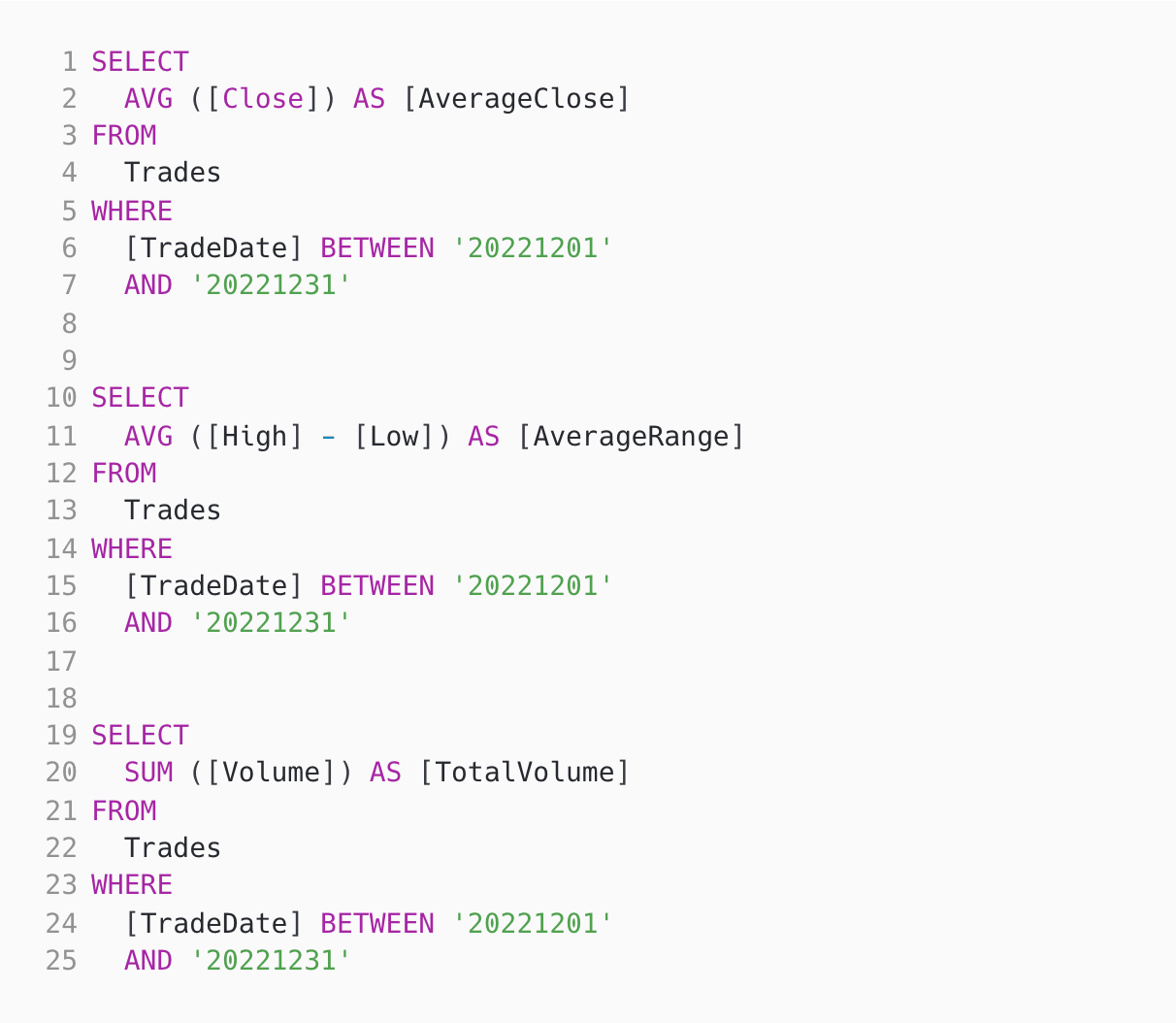
Here are three common queries that are run on the data:
 image
Dhavid Polomon is hired as an ETL Developer and is tasked with implementing an indexing strategy for the Trades fact table. Here are the specifications of the indexing strategy:

- All three common queries must use a columnstore index
- Minimize number of indexes
- Minimize size of indexes
Which of the following strategies should Dhavid pick:
A: Create three columnstore indexes: 
1. Containing TradeDate and Close
2. Containing TradeDate, High and Low
3. Container TradeDate and Volume
B: Create two columnstore indexes:
1. Containing TradeID, TradeDate, Volume and Close
2. Containing TradeID, TradeDate, High and Low
C: Create one columnstore index that contains TradeDate, Close, High, Low and Volume
D: Create one columnstore index that contains TradeID, Close, High, Low, Volume and Trade Date

Easy

Healthcare System
Data Integrity
Normalization
Referential Integrity
Solve
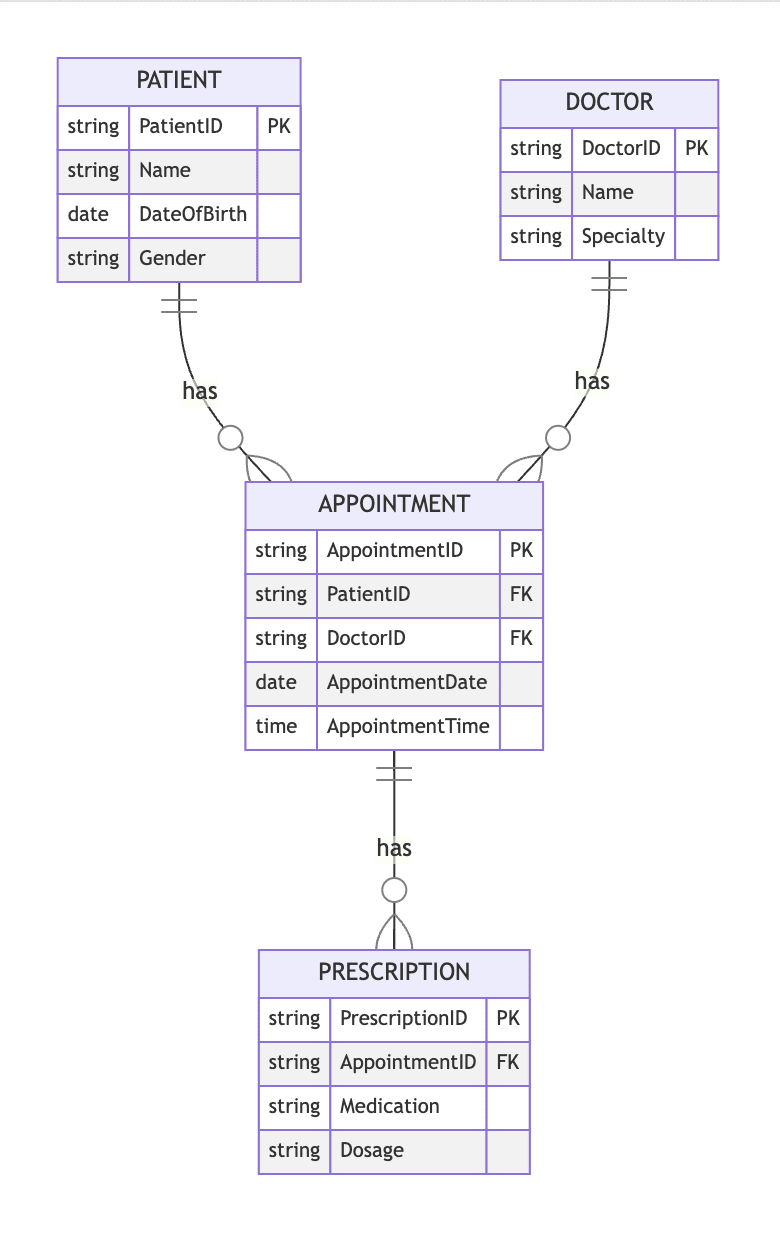
You are designing a data model for a healthcare system with the following requirements:
 image
A: A separate table for each entity with foreign keys as specified, and a DoctorPatient table linking Doctors to Patients.
B: A separate table for each entity with foreign keys as specified, without additional tables.
C: A combined PatientDoctor table replacing Patient and Doctor, and separate tables for Appointment and Prescription.
D: A separate table for each entity with foreign keys, and a PatientPrescription table to track prescriptions directly linked to patients.
E: A single table combining Patient, Doctor, Appointment, and Prescription into one.
F: A separate table for each entity with foreign keys as specified, and an AppointmentDetails table linking Appointments to Prescriptions.

Hard

ER Diagram and minimum tables
ER Diagram
Solve
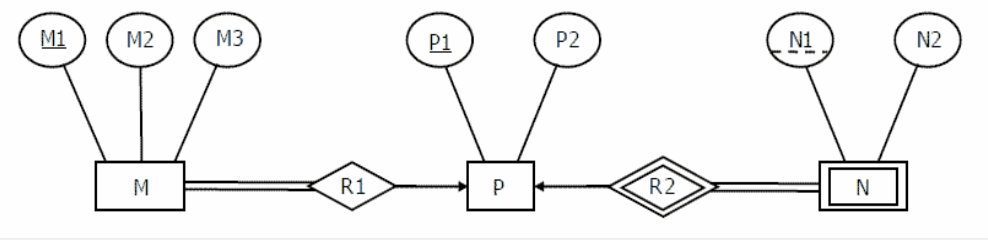
Look at the given ER diagram. What do you think is the least number of tables we would need to represent M, N, P, R1 and R2?
 image
 image
 image

Medium

Normalization Process
Normalization
Database Design
Anomaly Elimination
Solve
Consider a healthcare database with a table named PatientRecords that stores patient visit information. The table has the following attributes:

- VisitID
- PatientID
- PatientName
- DoctorID
- DoctorName
- VisitDate
- Diagnosis
- Treatment
- TreatmentCost

In this table:

- Each VisitID uniquely identifies a patient's visit and is associated with one PatientID.
- PatientID is associated with exactly one PatientName.
- Each DoctorID is associated with a unique DoctorName.
- TreatmentCost is a fixed cost based on the Treatment.

Evaluating the PatientRecords table, which of the following statements most accurately describes its normalization state and the required actions for higher normalization?
A: The table is in 1NF. To achieve 2NF, remove partial dependencies by separating Patient information (PatientID, PatientName) and Doctor information (DoctorID, DoctorName) into different tables.
B: The table is in 2NF. To achieve 3NF, remove transitive dependencies by creating separate tables for Patients (PatientID, PatientName), Doctors (DoctorID, DoctorName), and Visits (VisitID, PatientID, DoctorID, VisitDate, Diagnosis, Treatment, TreatmentCost).
C: The table is in 3NF. To achieve BCNF, adjust for functional dependencies such as moving DoctorName to a separate Doctors table.
D: The table is in 1NF. To achieve 3NF, create separate tables for Patients, Doctors, and Visits, and remove TreatmentCost as it is a derived attribute.
E: The table is in 2NF. To achieve 4NF, address any multi-valued dependencies by separating Visit details and Treatment details.
F: The table is in 3NF. To achieve 4NF, remove multi-valued dependencies related to VisitID.

Medium

University Courses
ER Diagrams
Complex Relationships
Integrity Constraints
Solve
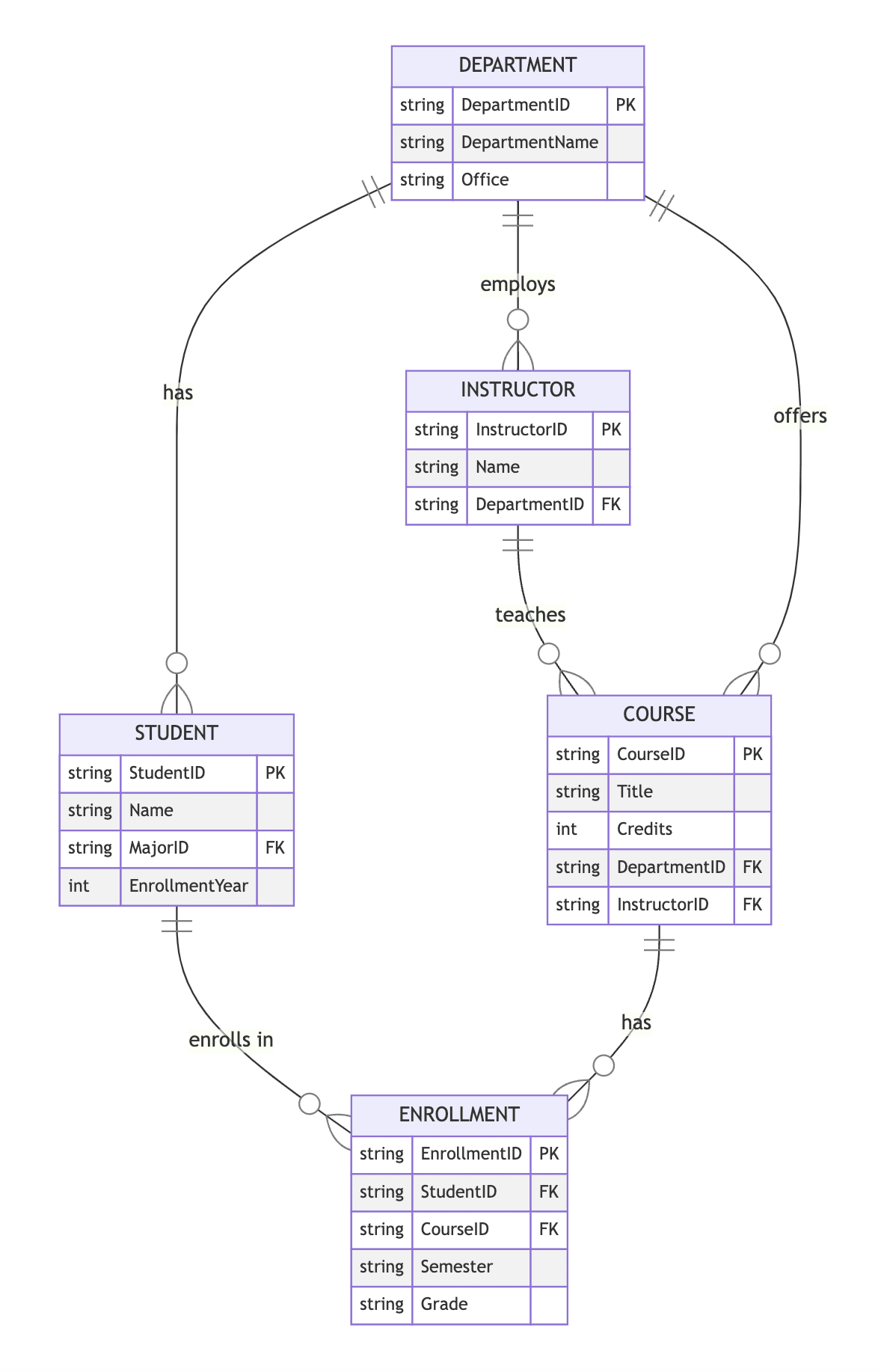
 image
Based on the ER diagram, which of the following statements is accurate and requires specific knowledge of the ER diagram's details?
A: A Student can major in multiple Departments.
B: An Instructor can belong to multiple Departments.
C: A Course can be offered by multiple Departments.
D: Enrollment records can link a Student to multiple Courses in a single semester.
E: Each Course must be associated with an Enrollment record.
F: A Department can offer courses without having any instructors.

Medium

Debugging Issues
Environment Variables
Debugging
System Administration
Command Line Interface
Solve
You are working on a Linux system and have recently installed a new program named myprogram. The executable is located in /opt/myprogram/bin/. You want to be able to run this program from any directory in your shell without specifying the full path.
You executed the following command:
export PATH="/opt/myprogram/bin"
However, when you try to run the program using myprogram, you get the following error message:
-bash: myprogram: command not found

Which of the following commands can fix this issue and allow you to run the program?
A: export PATH=$PATH:/opt/myprogram/bin/
B: export PATH="/opt/myprogram:$PATH"
C: export PATH="/opt/myprogram/bin:$PATH"
D: ln -s /opt/myprogram/bin/myprogram /usr/local/bin/myprogram

Easy

File Structure and Navigation
Files
Basic Commands
File System Management
Directory Structure Manipulation
Solve
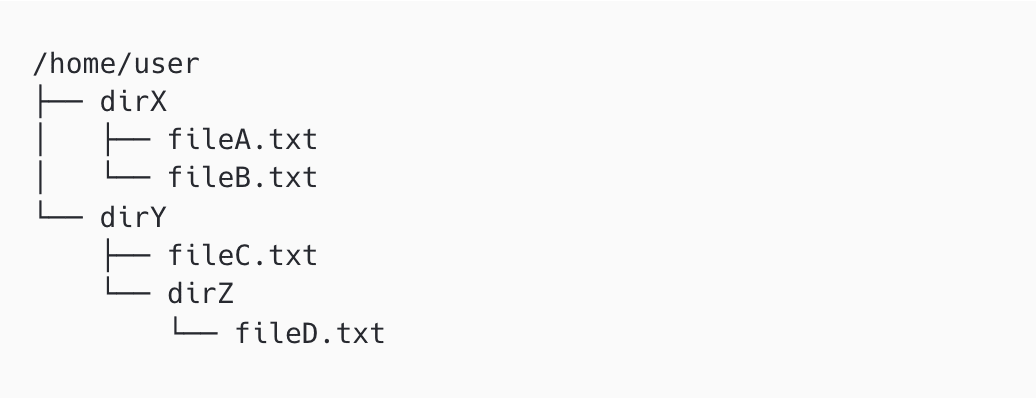
Consider the following directory structure:
 image
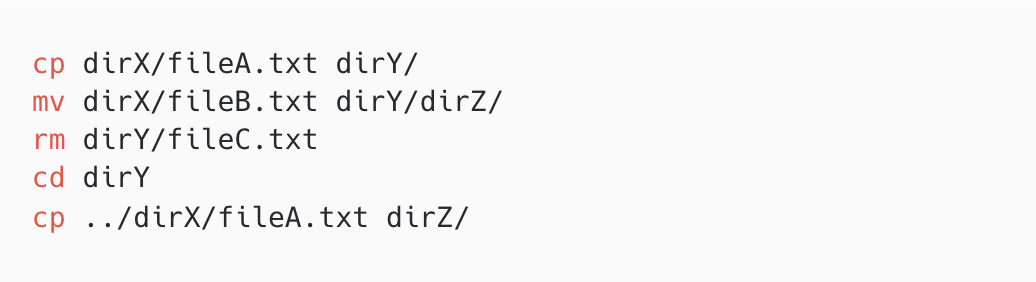
You start at /home/user and execute the following commands:
 image
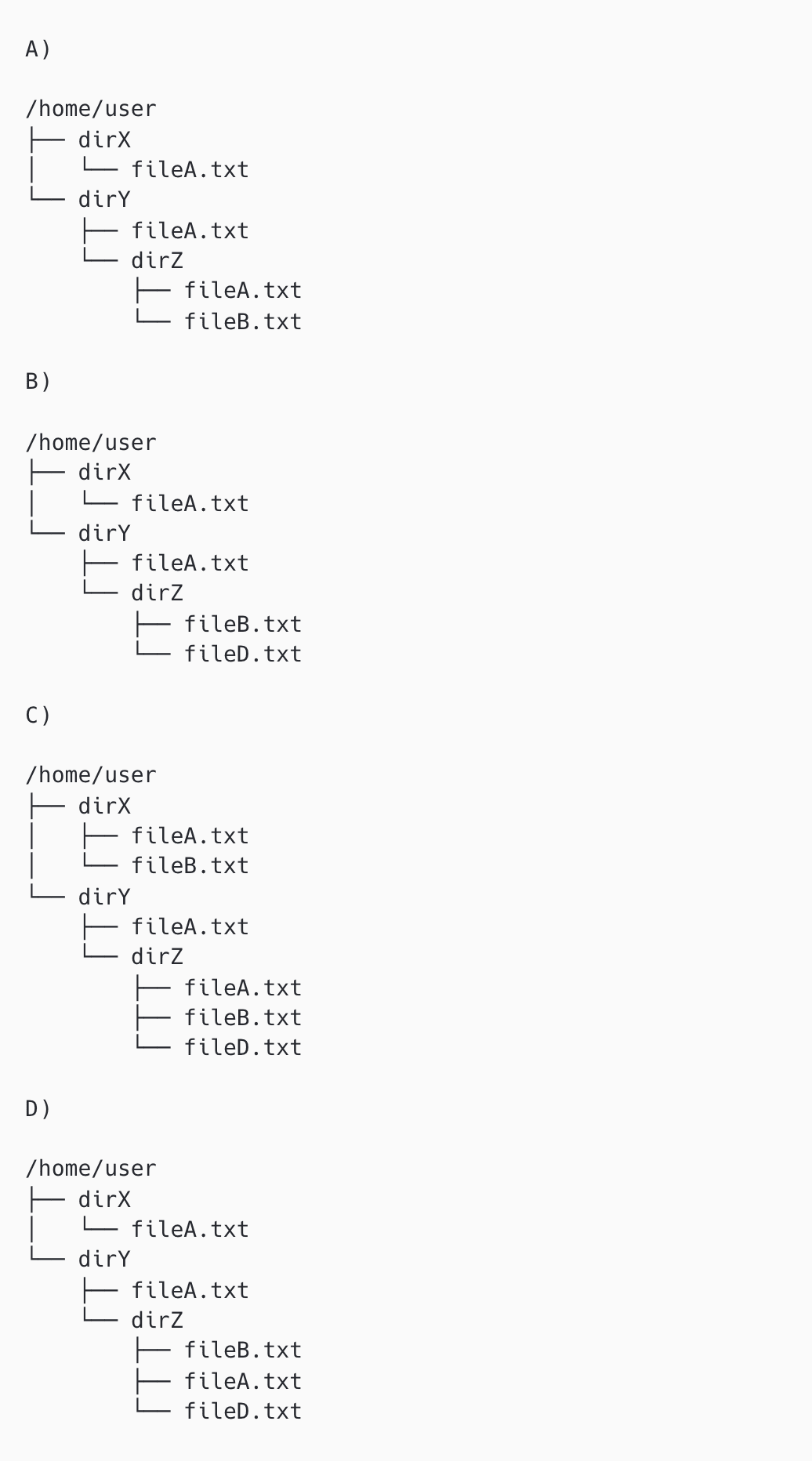
What will be the resulting directory structure?
 image

Medium

Fork mellow yellow
Solve
How many times will the following code will print "Mellow Yellow"?
 image

Medium

Remote server connection
SSH
Ssh
Port Forwarding
Solve
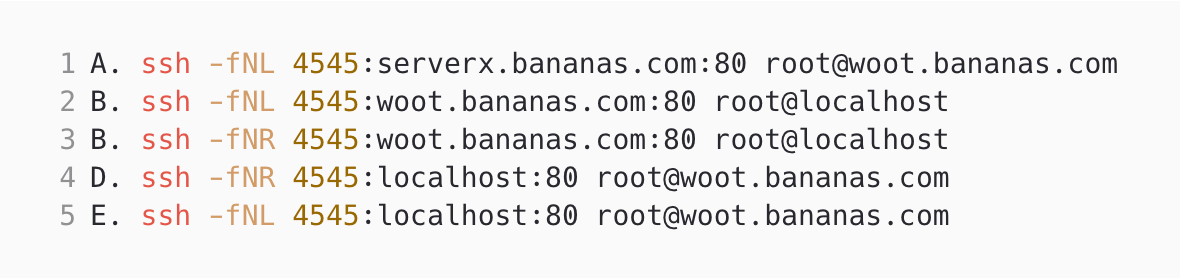
Our software engineering intern, Wu is looking to use port 4545 on localhost to connect to a remote server called woot.bananas.com on port 80. Which command would you recommend for this?
 image
🧐 Question 🔧 Skill

Medium

Backup Strategy
Backups
Troubleshooting
Data Recovery
Disaster Recovery

3 mins

SQL Server
Solve

Medium

Optimizing Query Performance
Indexing
Join Optimization
Execution Plans

3 mins

SQL Server
Solve

Medium

Transaction Isolation
Transaction Isolation Levels
Snapshot Isolation
Resource Management
Troubleshooting

3 mins

SQL Server
Solve

Medium

Transaction Log Management
Performance Tuning
Log Management

3 mins

SQL Server
Solve

Medium

Data Merging
Data Merging
Conditional Logic
Data Transformation
Sql

2 mins

ETL
Solve

Medium

Data Updates
Staging
Data Warehouse
Etl Process Design
Data Loading Strategies

2 mins

ETL
Solve

Medium

SQL in ETL Process
SQL Code Interpretation
Data Transformation
SQL Functions

3 mins

ETL
Solve

Medium

Trade Index
Index
Indexing
Query Optimization

3 mins

ETL
Solve

Easy

Healthcare System
Data Integrity
Normalization
Referential Integrity

2 mins

Data Modeling
Solve

Hard

ER Diagram and minimum tables
ER Diagram

2 mins

Data Modeling
Solve

Medium

Normalization Process
Normalization
Database Design
Anomaly Elimination

3 mins

Data Modeling
Solve

Medium

University Courses
ER Diagrams
Complex Relationships
Integrity Constraints

2 mins

Data Modeling
Solve

Medium

Debugging Issues
Environment Variables
Debugging
System Administration
Command Line Interface

2 mins

Linux
Solve

Easy

File Structure and Navigation
Files
Basic Commands
File System Management
Directory Structure Manipulation

2 mins

Linux
Solve

Medium

Fork mellow yellow

2 mins

Linux
Solve

Medium

Remote server connection
SSH
Ssh
Port Forwarding

2 mins

Linux
Solve
🧐 Question 🔧 Skill 💪 Difficulty ⌛ Time
Backup Strategy
Backups
Troubleshooting
Data Recovery
Disaster Recovery
SQL Server
Medium 3 mins
Solve
Optimizing Query Performance
Indexing
Join Optimization
Execution Plans
SQL Server
Medium 3 mins
Solve
Transaction Isolation
Transaction Isolation Levels
Snapshot Isolation
Resource Management
Troubleshooting
SQL Server
Medium 3 mins
Solve
Transaction Log Management
Performance Tuning
Log Management
SQL Server
Medium 3 mins
Solve
Data Merging
Data Merging
Conditional Logic
Data Transformation
Sql
ETL
Medium 2 mins
Solve
Data Updates
Staging
Data Warehouse
Etl Process Design
Data Loading Strategies
ETL
Medium 2 mins
Solve
SQL in ETL Process
SQL Code Interpretation
Data Transformation
SQL Functions
ETL
Medium 3 mins
Solve
Trade Index
Index
Indexing
Query Optimization
ETL
Medium 3 mins
Solve
Healthcare System
Data Integrity
Normalization
Referential Integrity
Data Modeling
Easy 2 mins
Solve
ER Diagram and minimum tables
ER Diagram
Data Modeling
Hard 2 mins
Solve
Normalization Process
Normalization
Database Design
Anomaly Elimination
Data Modeling
Medium 3 mins
Solve
University Courses
ER Diagrams
Complex Relationships
Integrity Constraints
Data Modeling
Medium 2 mins
Solve
Debugging Issues
Environment Variables
Debugging
System Administration
Command Line Interface
Linux
Medium 2 mins
Solve
File Structure and Navigation
Files
Basic Commands
File System Management
Directory Structure Manipulation
Linux
Easy 2 mins
Solve
Fork mellow yellow
Linux
Medium 2 mins
Solve
Remote server connection
SSH
Ssh
Port Forwarding
Linux
Medium 2 mins
Solve
Get started for free
Preview questions
love bonito

With Adaface, we were able to optimise our initial screening process by upwards of 75%, freeing up precious time for both hiring managers and our talent acquisition team alike!

Brandon Lee, Head of People, Love, Bonito

Brandon
love bonito

It's very easy to share assessments with candidates and for candidates to use. We get good feedback from candidates about completing the tests. Adaface are very responsive and friendly to deal with.

Kirsty Wood, Human Resources, WillyWeather

Brandon
love bonito

We were able to close 106 positions in a record time of 45 days! Adaface enables us to conduct aptitude and psychometric assessments seamlessly. My hiring managers have never been happier with the quality of candidates shortlisted.

Amit Kataria, CHRO, Hanu

Brandon
love bonito

We evaluated several of their competitors and found Adaface to be the most compelling. Great library of questions that are designed to test for fit rather than memorization of algorithms.

Swayam Narain, CTO, Affable

Brandon

Why you should use Pre-employment Data Operations Manager Test?

The Data Operations Manager Test makes use of scenario-based questions to test for on-the-job skills as opposed to theoretical knowledge, ensuring that candidates who do well on this screening test have the relavant skills. The questions are designed to covered following on-the-job aspects:

  • Writing basic SQL queries for data retrieval.
  • Performing basic ETL processes with standard tools.
  • Designing simple data models for applications.
  • Executing basic Linux commands for system tasks.
  • Creating and managing SQL Server databases.
  • Applying data backup and recovery techniques.
  • Conducting simple performance tuning for databases.
  • Creating basic Linux shell scripts for automation.
  • Using data integration tools for simple tasks.
  • Implementing basic database security measures.

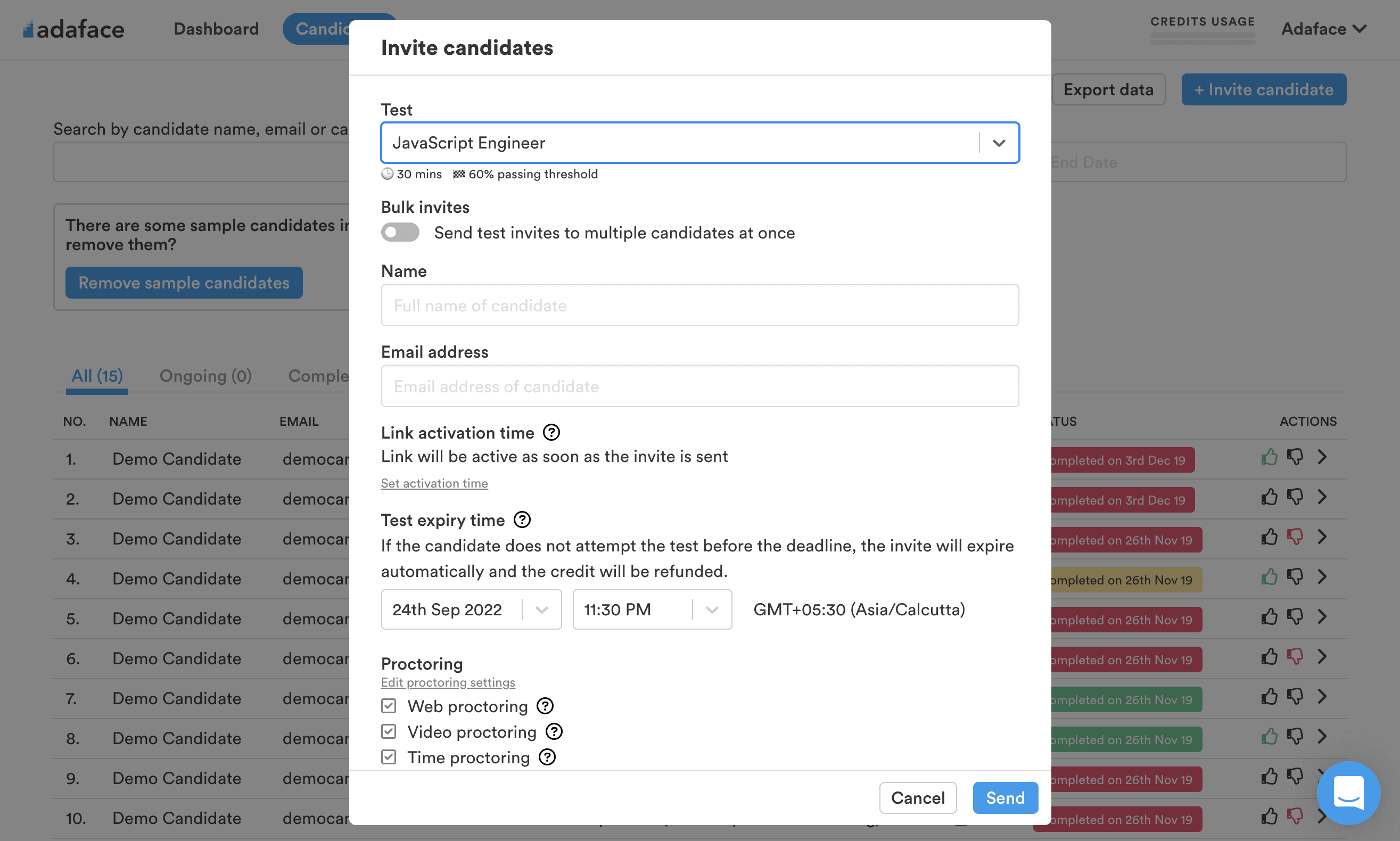
Once the test is sent to a candidate, the candidate receives a link in email to take the test. For each candidate, you will receive a detailed report with skills breakdown and benchmarks to shortlist the top candidates from your pool.

What topics are covered in the Data Operations Manager Test?

SQL Server Administration: SQL Server Administration involves managing and maintaining a SQL Server database system. This includes installation, configuration, upgrades, backups, recovery, and ensuring the database's overall health. A Data Operations Manager must be adept in this to ensure database reliability and performance.

ETL Processes: ETL (Extract, Transform, Load) processes are essential for moving data from different sources to a data warehouse. They involve extracting data, transforming it for analysis, and loading it into a target system. Proficiency in ETL is crucial for realizing efficient data integration and preparation.

Data Modeling Techniques: Data Modeling Techniques are methods used to create an abstract representation of data architectures and how data is stored and processed. They are foundational for organizing data in a way that enhances accessibility and consistency across applications. Understanding these techniques ensures effective database design and data integrity.

Linux System Administration: Linux System Administration encompasses maintaining Linux servers, including tasks like managing user permissions, running updates, and configuring network settings. Expertise in Linux is critical as many enterprise database systems run on Linux environments, demanding a seamless operation.

Database Optimization: Database Optimization focuses on enhancing database performance through query tuning and indexing strategies. It involves identifying bottlenecks and implementing solutions to improve response times and efficiency. This skill directly impacts the speed and effectiveness of database applications.

Data Warehousing: Data Warehousing involves collecting and managing data from varied sources to provide meaningful business insights. It supports analytical reporting, structured and ad hoc queries, and decision-making processes. Mastery of data warehousing is key to leveraging large datasets for strategic benefits.

SQL Query Writing: SQL Query Writing involves crafting efficient queries to interact with databases, allowing data retrieval and manipulation. Proficient query writing is vital for extracting accurate information quickly and forms the backbone of various data-driven decisions.

Linux Shell Scripting: Linux Shell Scripting automates routine tasks by writing script files that execute commands in sequence. Its role in simplifying and streamlining server operations makes it invaluable for ensuring system efficiency and reducing manual intervention.

Data Integration Tools: Data Integration Tools are software solutions used to consolidate data from disparate sources, ensuring uniformity and consistency. They facilitate seamless data workflows and are essential for building a unified data repository accessible for analysis.

Database Security: Database Security focuses on protecting the database from unauthorized access, misuse, or malfunctions. It involves implementing measures like encryption, access controls, and security protocols. Ensuring database security is critical for safeguarding sensitive data.

Performance Tuning: Performance Tuning optimizes system performance by adjusting various parameters in databases and servers. It identifies inefficiencies in systems and modifies them for enhanced processing capabilities. This ensures that response times are minimized and resource utilization is maximized.

Data Backup and Recovery: Data Backup and Recovery ensure that data can be restored in case of loss or corruption. This involves regular data backups and creating recovery plans for data restoration. It's a crucial skill for maintaining data continuity and availability in the event of system failures.

Full list of covered topics

The actual topics of the questions in the final test will depend on your job description and requirements. However, here's a list of topics you can expect the questions for Data Operations Manager Test to be based on.

SQL Installation
Database Creation
Table Joins
Stored Procedures
Index Management
ETL Pipelines
Data Extraction
Data Transformation
Data Loading
Data Modeling
Entity Relationships
Normalization
Linux Commands
File Permissions
Shell Scripting
Database Optimization
Query Tuning
Execution Plans
Data Warehousing
Dimensional Modeling
Data Marts
SQL Queries
Subqueries
Aggregate Functions
Linux Utilities
Cron Jobs
Data Integration
Database Security
User Authentication
Access Control
Performance Tuning
Indexing Strategies
Backup Strategies
Recovery Procedures
System Monitoring
Database Clustering
Replication
ETL Tools
Data Validation
Script Automation
Network Configuration
SQL Server Security
Role Management

What roles can I use the Data Operations Manager Test for?

  • Data Operations Manager
  • Database Administrator
  • ETL Developer
  • Data Analyst
  • DevOps Engineer
  • Data Architect
  • System Administrator
  • Business Intelligence Developer
  • Data Engineer
  • Data Warehouse Manager

How is the Data Operations Manager Test customized for senior candidates?

For intermediate/ experienced candidates, we customize the assessment questions to include advanced topics and increase the difficulty level of the questions. This might include adding questions on topics like

  • Optimizing complex SQL queries for performance.
  • Designing advanced ETL workflows for large datasets.
  • Developing complex data models for analytics.
  • Administering Linux systems for database operations.
  • Implementing advanced database optimization techniques.
  • Managing large-scale data warehouses efficiently.
  • Writing advanced SQL queries for business intelligence.
  • Automating tasks with advanced Linux shell scripting.
  • Integrating heterogeneous data sources seamlessly.
  • Applying advanced performance tuning methodologies.

Try the most advanced candidate assessment platform

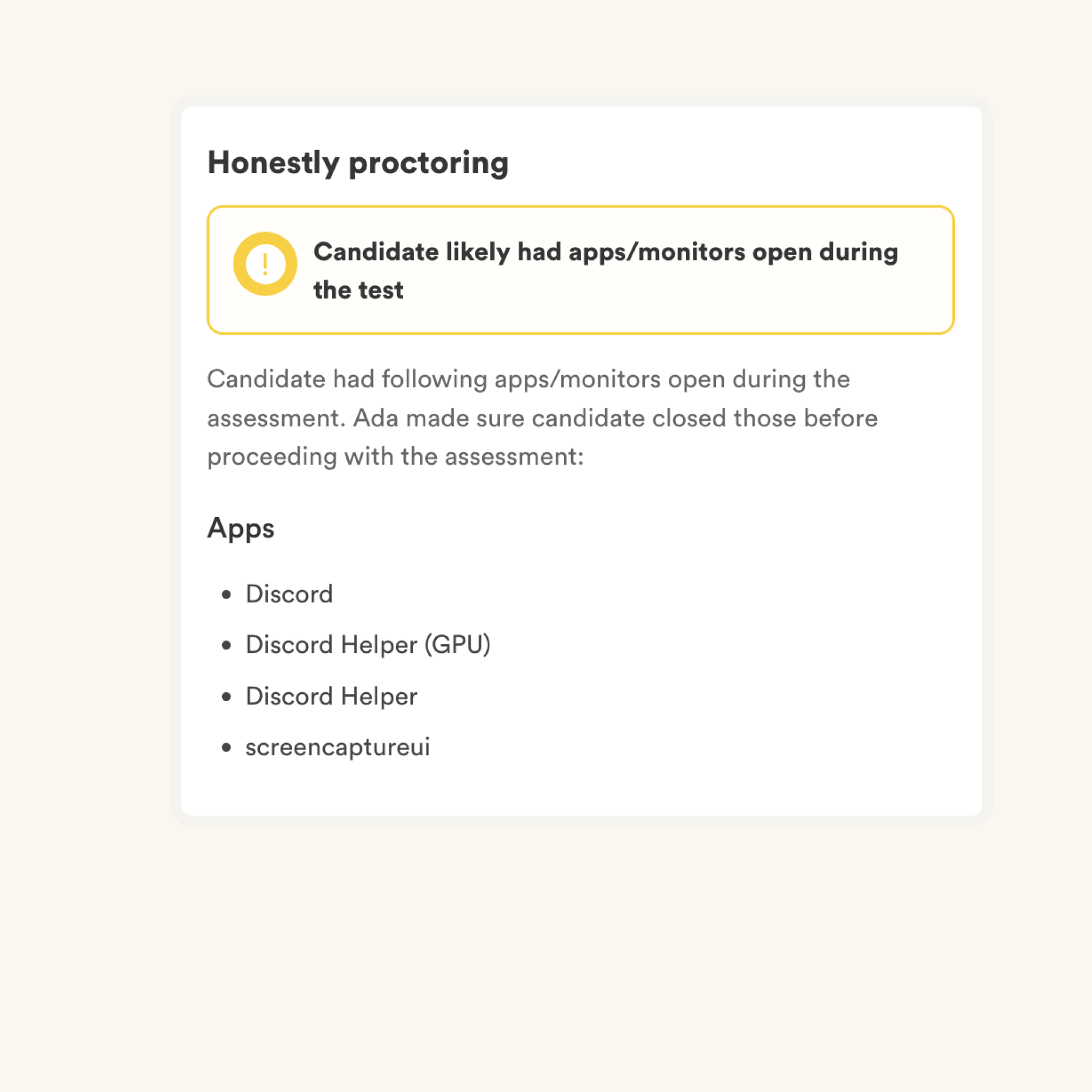
AI Cheating Detection with Honestly

ChatGPT Protection

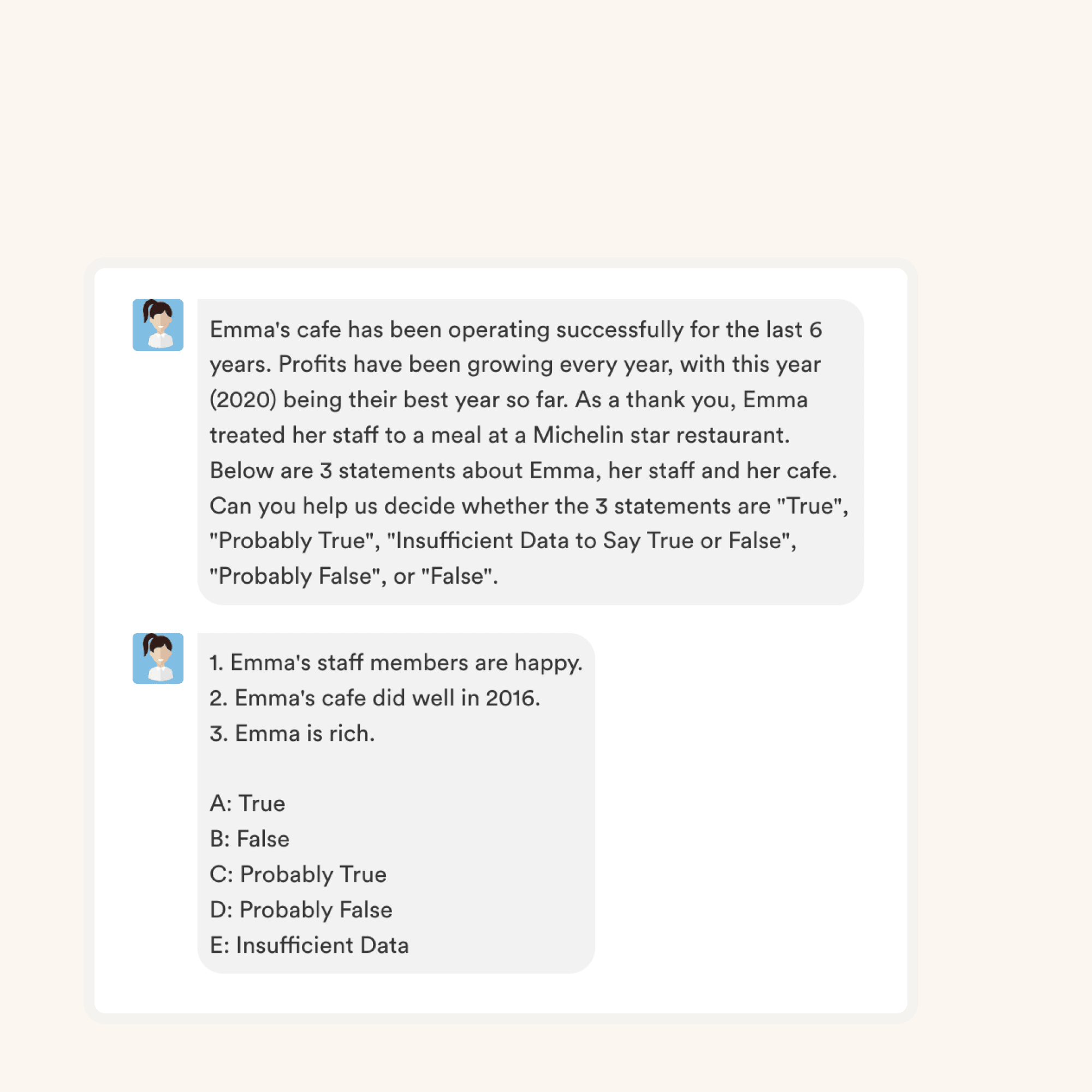
Non-googleable Questions

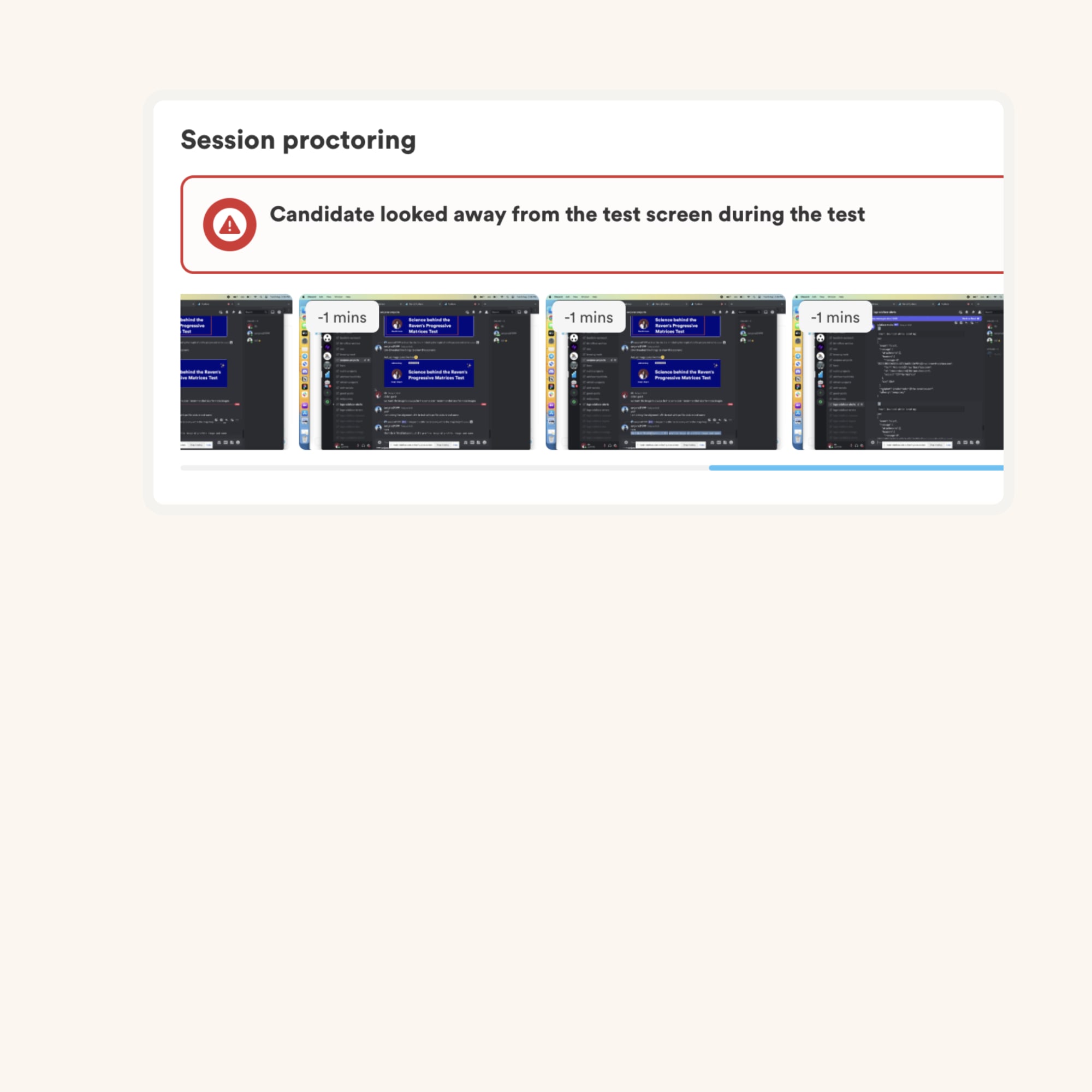
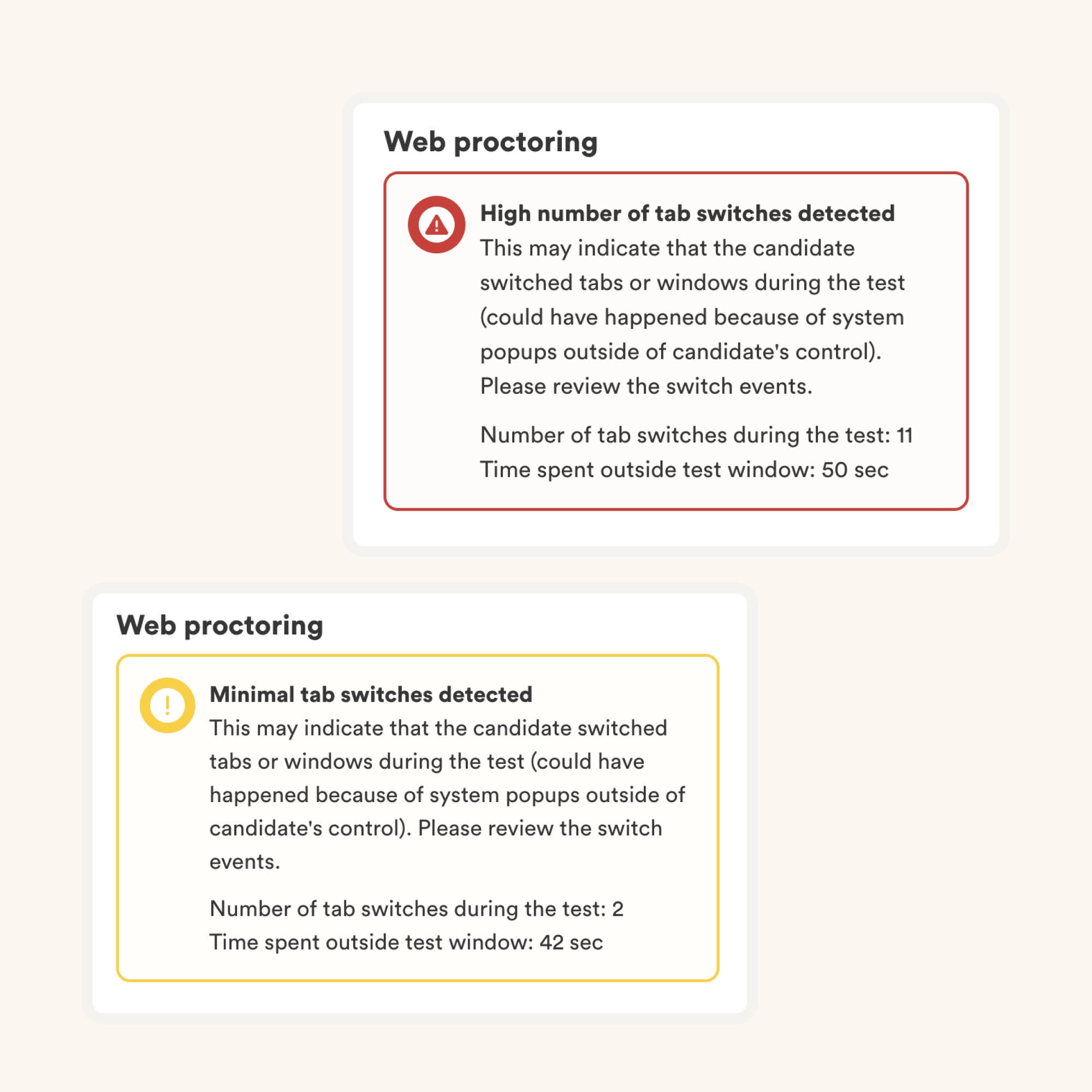
Web Proctoring

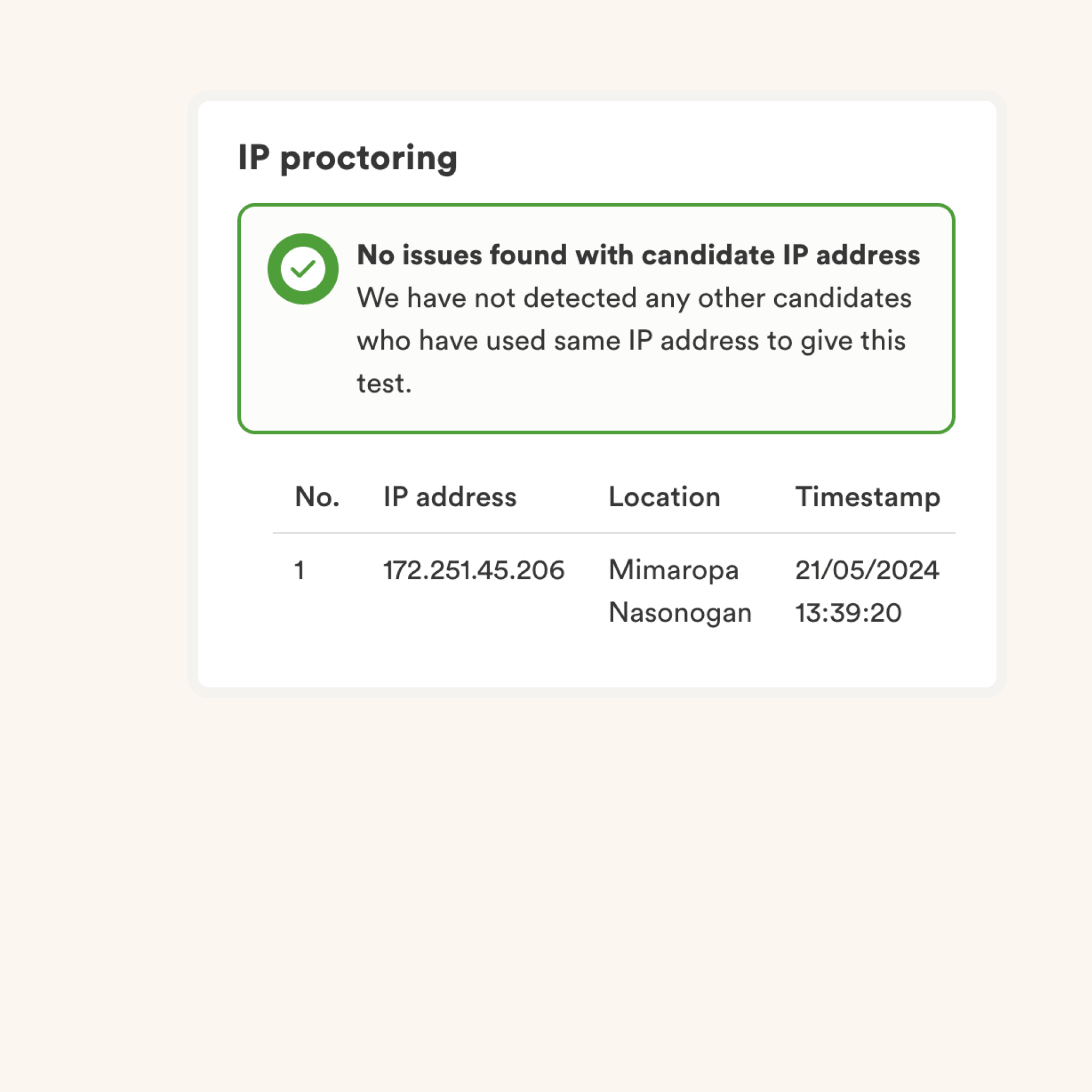
IP Proctoring

Webcam Proctoring

MCQ Questions

Coding Questions

Typing Questions

Personality Questions

Custom Questions

Ready-to-use Tests

Custom Tests

Custom Branding

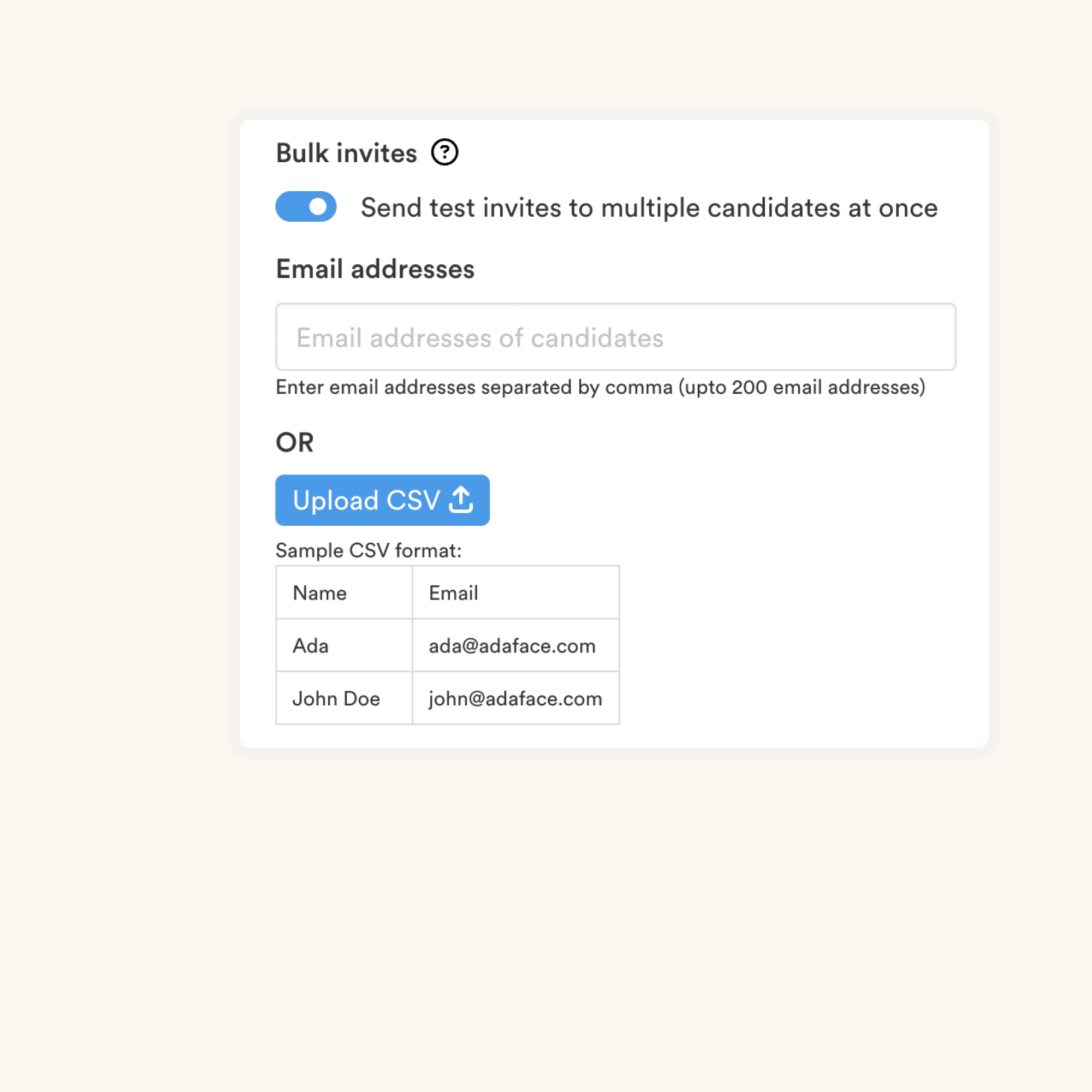
Bulk Invites

Public Links

ATS Integrations

Multiple Question Sets

Custom API integrations

Role-based Access

Priority Support

GDPR Compliance

Screen candidates in 3 easy steps

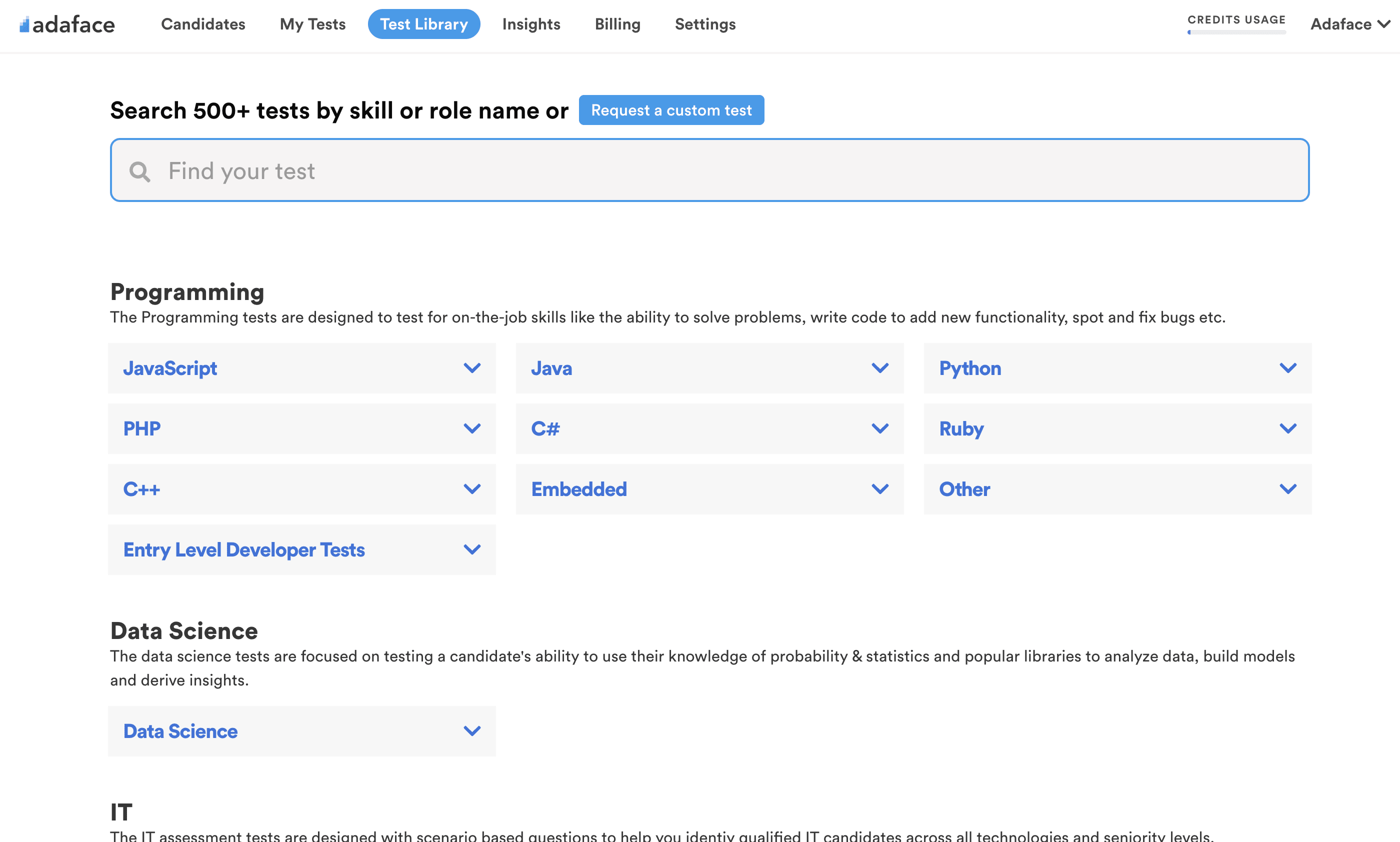
Pick a test from over 500+ tests

The Adaface test library features 500+ tests to enable you to test candidates on all popular skills- everything from programming languages, software frameworks, devops, logical reasoning, abstract reasoning, critical thinking, fluid intelligence, content marketing, talent acquisition, customer service, accounting, product management, sales and more.

Invite your candidates with 2-clicks

Make informed hiring decisions

Get started for free
Preview questions

Have questions about the Data Operations Manager Hiring Test?

What is the Data Operations Manager Test?

The Data Operations Manager Test is designed to assess candidates on skills such as SQL Server Administration, ETL Processes, Data Modeling Techniques, and Linux System Administration. Recruiters use this test to evaluate professionals for senior roles who need expertise in optimizing SQL queries, designing ETL workflows, and managing Linux systems.

Can I combine Data Operations Manager Test with SQL Server Test?

Yes, recruiters can request a custom test combining multiple skills, including SQL Server. For further details on SQL Server assessment, check the SQL Server Test.

What skills are assessed in senior roles for the Data Operations Manager Test?

Senior roles focus on skills like optimizing complex SQL queries, designing advanced ETL workflows, developing complex data models, administering Linux systems for database operations, and integrating heterogeneous data sources.

How to use the Data Operations Manager Test in my hiring process?

Use this test as a pre-employment assessment tool. Share the test link in your job posting or invite candidates via email. Identify top candidates faster by focusing on relevant skills early in the hiring process.

Can I test SQL Query Writing and Data Modeling together in a test?

Yes, you can test these skills together, which enhances assessment accuracy. For a combined approach, refer to the Data Modeling Skills Test.

Can I combine multiple skills into one custom assessment?

Yes, absolutely. Custom assessments are set up based on your job description, and will include questions on all must-have skills you specify. Here's a quick guide on how you can request a custom test.

Do you have any anti-cheating or proctoring features in place?

We have the following anti-cheating features in place:

  • Hidden AI Tools Detection with Honestly
  • Non-googleable questions
  • IP proctoring
  • Screen proctoring
  • Web proctoring
  • Webcam proctoring
  • Plagiarism detection
  • Secure browser
  • Copy paste protection

Read more about the proctoring features.

How do I interpret test scores?

The primary thing to keep in mind is that an assessment is an elimination tool, not a selection tool. A skills assessment is optimized to help you eliminate candidates who are not technically qualified for the role, it is not optimized to help you find the best candidate for the role. So the ideal way to use an assessment is to decide a threshold score (typically 55%, we help you benchmark) and invite all candidates who score above the threshold for the next rounds of interview.

What experience level can I use this test for?

Each Adaface assessment is customized to your job description/ ideal candidate persona (our subject matter experts will pick the right questions for your assessment from our library of 10000+ questions). This assessment can be customized for any experience level.

Does every candidate get the same questions?

Yes, it makes it much easier for you to compare candidates. Options for MCQ questions and the order of questions are randomized. We have anti-cheating/ proctoring features in place. In our enterprise plan, we also have the option to create multiple versions of the same assessment with questions of similar difficulty levels.

I'm a candidate. Can I try a practice test?

No. Unfortunately, we do not support practice tests at the moment. However, you can use our sample questions for practice.

What is the cost of using this test?

You can check out our pricing plans.

Can I get a free trial?

Yes, you can sign up for free and preview this test.

I just moved to a paid plan. How can I request a custom assessment?

Here is a quick guide on how to request a custom assessment on Adaface.

View sample scorecard


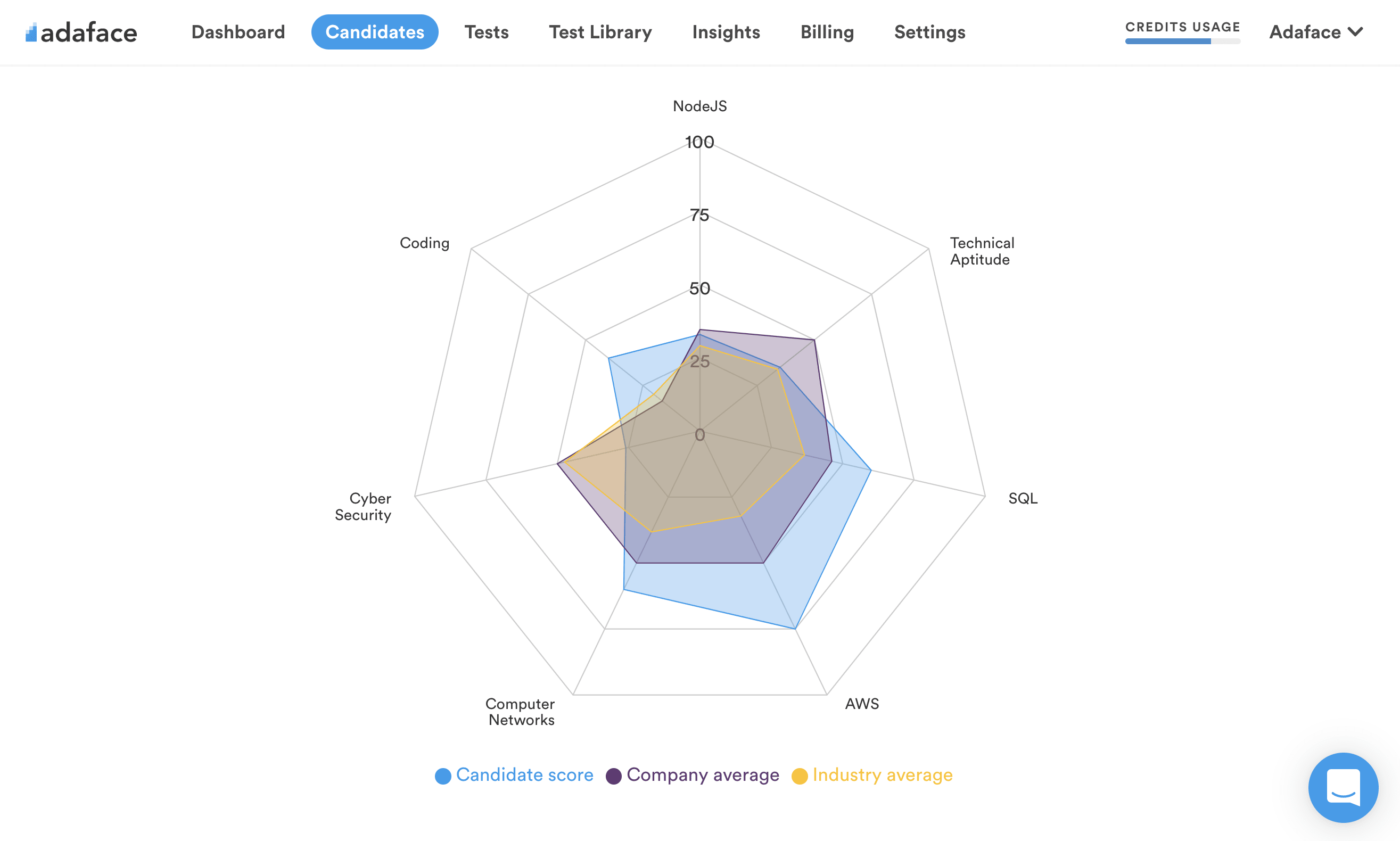
Along with scorecards that report the performance of the candidate in detail, you also receive a comparative analysis against the company average and industry standards.
View sample scorecard
customers across world
Join 1200+ companies in 80+ countries.
Try the most candidate friendly skills assessment tool today.
g2 badges
Ready to use the Adaface Data Operations Manager Test?
logo
40 min tests.
No trick questions.
Accurate shortlisting.
Terms Privacy Trust Guide
ada
Ada
● Online
Previous
Score: NA
Next
✖️