Search test library by skills or roles
⌘ K

GPU Performance Engineer Test

The GPU Performance Engineer Test assesses a candidate's expertise in GPU programming, with a focus on CUDA and PyTorch. It uses scenario-based MCQs and coding questions to evaluate understanding of GPU architecture, optimization techniques, and memory management. The test is designed for roles requiring proficiency in parallel computing and performance tuning for high-performance applications.

Covered skills:

  • GPU architecture
  • CUDA programming
  • PyTorch frameworks
  • Parallel computing concepts
  • Memory management in GPUs
  • Optimization techniques
  • Deep learning acceleration
  • Performance tuning
  • Profiling GPU applications
  • Multi-GPU programming
  • Kernel design

About the GPU Performance Engineer Assessment Test


The GPU Performance Engineer Test helps recruiters and hiring managers identify qualified candidates from a pool of resumes, and helps in taking objective hiring decisions. It reduces the administrative overhead of interviewing too many candidates and saves time by filtering out unqualified candidates at the first step of the hiring process.

The test screens for the following skills that hiring managers look for in candidates:

  • Demonstrate a thorough understanding of GPU architecture and its impact on performance.
  • Write efficient CUDA kernels to leverage parallel computing capabilities.
  • Utilize PyTorch frameworks to develop and optimize deep learning models.
  • Implement effective memory management strategies to optimize GPU performance.
  • Apply advanced optimization techniques for enhanced computational efficiency.
  • Accelerate deep learning workloads using state-of-the-art practices.
  • Perform performance tuning to ensure applications run at maximum efficiency.
  • Develop profiling strategies to analyze and improve GPU application performance.
  • Design kernels that utilize the full potential of GPU hardware.
  • Handle multi-GPU programming challenges efficiently to scale up computations.
  • Integrate parallel computing concepts into GPU programming for optimized performance.
  • Show proficiency in adaptive techniques in varying computational loads.

1200+ customers in 80 countries


Use Adaface tests trusted by recruitment teams globally. Adaface skill assessments measure on-the-job skills of candidates, providing employers with an accurate tool for screening potential hires.

customers in 75 countries

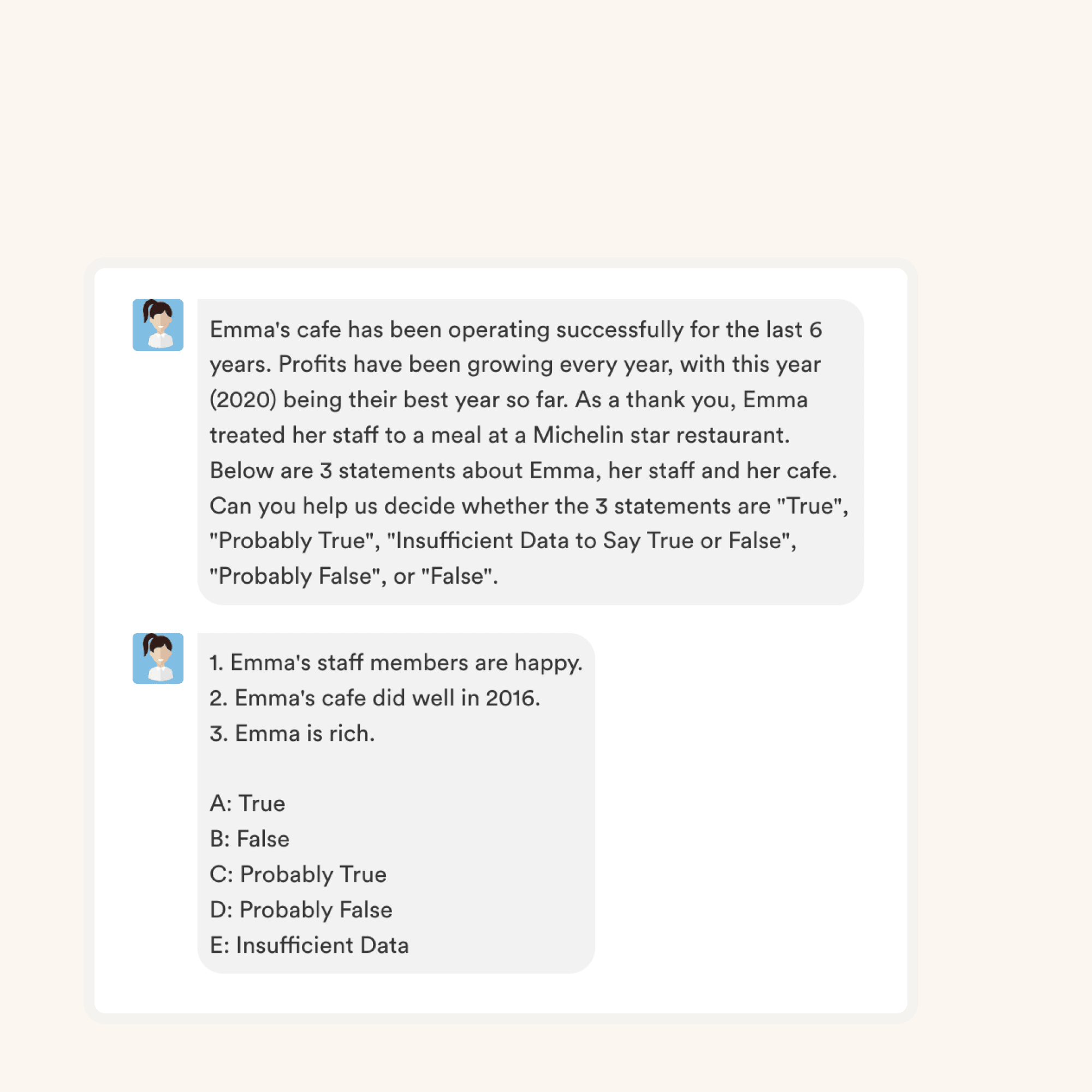
Non-googleable questions


We have a very high focus on the quality of questions that test for on-the-job skills. Every question is non-googleable and we have a very high bar for the level of subject matter experts we onboard to create these questions. We have crawlers to check if any of the questions are leaked online. If/ when a question gets leaked, we get an alert. We change the question for you & let you know.

How we design questions
love bonito

With Adaface, we were able to optimise our initial screening process by upwards of 75%, freeing up precious time for both hiring managers and our talent acquisition team alike!

Brandon Lee, Head of People, Love, Bonito

Brandon
love bonito

It's very easy to share assessments with candidates and for candidates to use. We get good feedback from candidates about completing the tests. Adaface are very responsive and friendly to deal with.

Kirsty Wood, Human Resources, WillyWeather

Brandon
love bonito

We were able to close 106 positions in a record time of 45 days! Adaface enables us to conduct aptitude and psychometric assessments seamlessly. My hiring managers have never been happier with the quality of candidates shortlisted.

Amit Kataria, CHRO, Hanu

Brandon
love bonito

We evaluated several of their competitors and found Adaface to be the most compelling. Great library of questions that are designed to test for fit rather than memorization of algorithms.

Swayam Narain, CTO, Affable

Brandon

Why you should use Pre-employment GPU Performance Engineer Test?

The GPU Performance Engineer Test makes use of scenario-based questions to test for on-the-job skills as opposed to theoretical knowledge, ensuring that candidates who do well on this screening test have the relavant skills. The questions are designed to covered following on-the-job aspects:

  • Understanding basic GPU architecture and components.
  • Writing simple CUDA kernels for parallel tasks.
  • Implementing basic operations with PyTorch tensors.
  • Optimizing memory usage in GPU programs.
  • Applying fundamental parallel computing concepts.
  • Debugging CUDA kernels for logical errors.
  • Profiling GPU applications for bottleneck analysis.
  • Understanding PyTorch's automatic differentiation.
  • Performing simple matrix operations on GPU.
  • Managing memory transfers between CPU and GPU.

Once the test is sent to a candidate, the candidate receives a link in email to take the test. For each candidate, you will receive a detailed report with skills breakdown and benchmarks to shortlist the top candidates from your pool.

What topics are covered in the GPU Performance Engineer Test?

GPU Architecture: GPU architecture refers to the design and organization of graphics processing units, including their cores, memory, and data pathways. Understanding this architecture is vital for effectively harnessing a GPU's power and efficiency in computational tasks.

CUDA Programming: CUDA programming involves using NVIDIA's parallel computing platform and API model to execute code on GPUs. Mastery of CUDA enables developers to optimize computational tasks, making code execution more efficient on NVIDIA GPUs.

PyTorch Frameworks: PyTorch is an open-source machine learning library that offers dynamic computation graphs and deep learning capabilities. Skill in PyTorch allows engineers to prototype quickly and perform deep learning tasks effectively, crucial in GPU performance engineering.

Parallel Computing Concepts: Parallel computing involves dividing tasks into smaller parts that can run concurrently on multiple processors. This understanding is critical for maximizing performance in GPU computations, as GPUs are inherently parallel devices.

Memory Management in GPUs: Memory management in GPUs concerns the efficient use of memory resources to ensure fast and reliable data access during computations. Proper memory management is crucial for minimizing latency and maximizing throughput in GPU tasks.

Optimization Techniques: Optimization techniques in GPU programming involve enhancing performance through efficient code execution and resource utilization. Such skills allow engineers to reduce execution time and improve overall system performance.

Deep Learning Acceleration: Deep learning acceleration involves using GPUs to speed up training and inference of neural networks. With the growing demand for real-time data processing, this skill ensures rapid model deployment and scalability.

Performance Tuning: Performance tuning is the process of adjusting and improving system parameters to enhance efficiency. For GPUs, it involves optimizing code and configuring hardware settings to achieve optimal performance.

Profiling GPU Applications: Profiling involves analyzing and identifying performance bottlenecks in GPU applications. This skill helps in diagnosing issues and formulating strategies to boost application performance effectively.

Multi-GPU Programming: Multi-GPU programming is the technique of leveraging multiple GPUs to perform parallel processing tasks. It allows for scaling up computational workloads, which is fundamental in large-scale data processing and modeling tasks.

Kernel Design: Kernel design refers to the creation of small computing units that execute on the GPU. Efficient kernel design is essential for maximizing parallel execution and resource utilization on the GPU.

Full list of covered topics

The actual topics of the questions in the final test will depend on your job description and requirements. However, here's a list of topics you can expect the questions for GPU Performance Engineer Test to be based on.

GPU Cores
CUDA Threads
Warp Scheduling
Tensor Cores
Global Memory
Shared Memory
Constant Memory
CUDA Streams
Dynamic Parallelism
Thrust Library
CuDNN Library
Memory Coalescing
Bank Conflict
Stream Synchronization
Kernel Launch
Device Query
Atomic Operations
Loop Unrolling
Error Handling
Compute Capability
Volta Architecture
Ampere Architecture
CUDA Toolkit
PyTorch Tensors
Model Serialization
Autograd
Loss Functions
Batch Processing
CUDA Graphs
Event Timing
SM Resources
NVProf Tool
NSight Analysis
CUDA Compiler
Kernel Fusion
RAPIDS AI
Grid Stride
Unified Memory
CUDA Aware MPI
CUDA Extensions
GPGPU Concepts
CUDA Runtime API
Deep Learning Models
Sparse Tensors
Broadcasting
Data Loaders
PyTorch Autograd
CUDA Debugging
Profiling TensorFlow
CudaMemcpyAsync
Kernel Optimization

What roles can I use the GPU Performance Engineer Test for?

  • GPU Performance Engineer
  • Machine Learning Engineer
  • AI Researcher
  • Data Scientist
  • Software Engineer
  • High Performance Computing Specialist
  • Deep Learning Engineer
  • Compute Programmer
  • Parallel Computing Developer
  • Graphics Programmer

How is the GPU Performance Engineer Test customized for senior candidates?

For intermediate/ experienced candidates, we customize the assessment questions to include advanced topics and increase the difficulty level of the questions. This might include adding questions on topics like

  • Designing complex CUDA kernels for specific tasks.
  • Leveraging advanced PyTorch library features.
  • Optimizing parallel computations for performance gain.
  • Implementing multi-GPU processing techniques.
  • Applying sophisticated GPU memory management approaches.
  • Tuning GPU applications for maximum performance.
  • Accurate profiling of multi-threaded GPU applications.
  • Integrating CUDA and PyTorch for custom models.
  • Utilizing advanced kernel design strategies.
  • Employing deep learning acceleration techniques on GPUs.

Try the most advanced candidate assessment platform

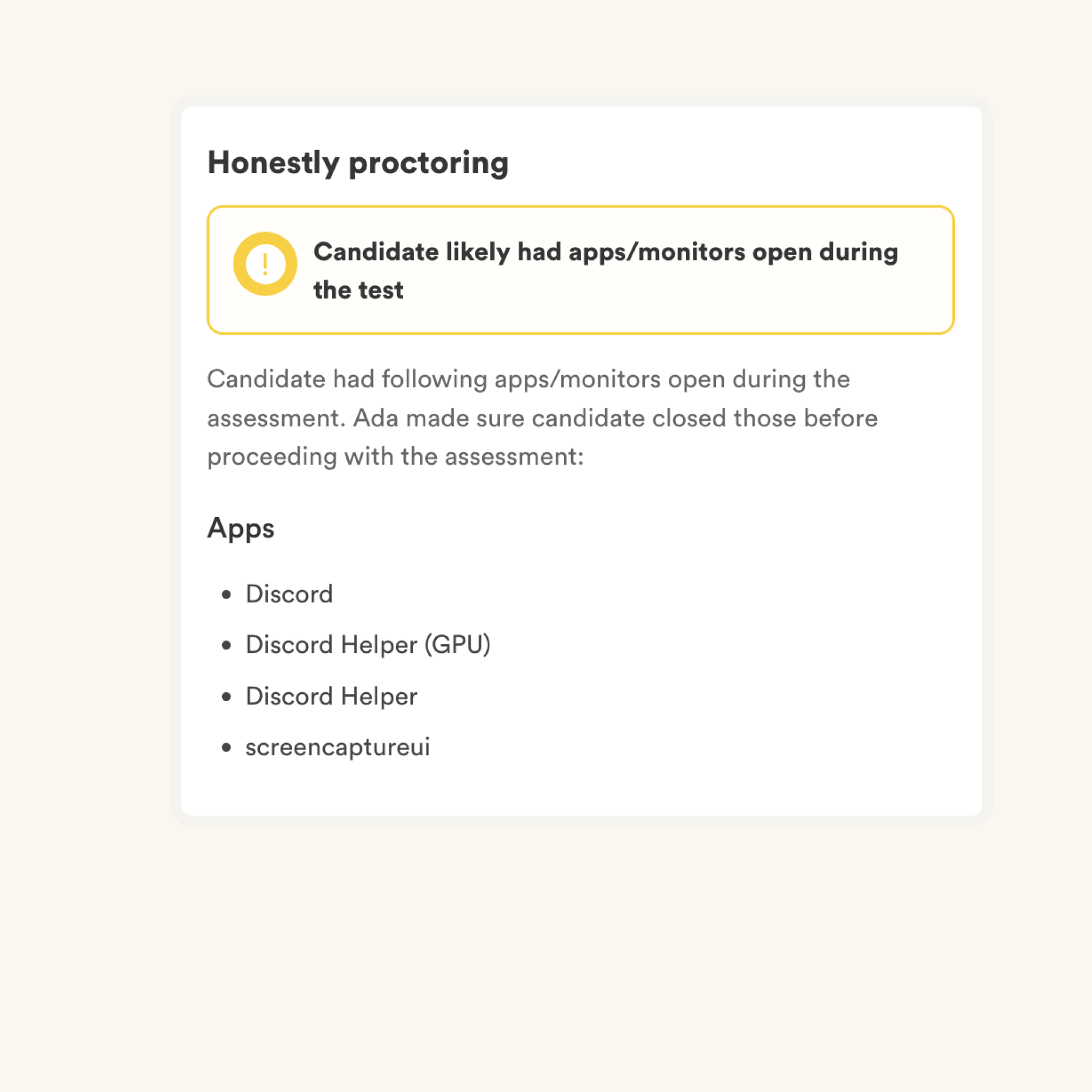
AI Cheating Detection with Honestly

ChatGPT Protection

Non-googleable Questions

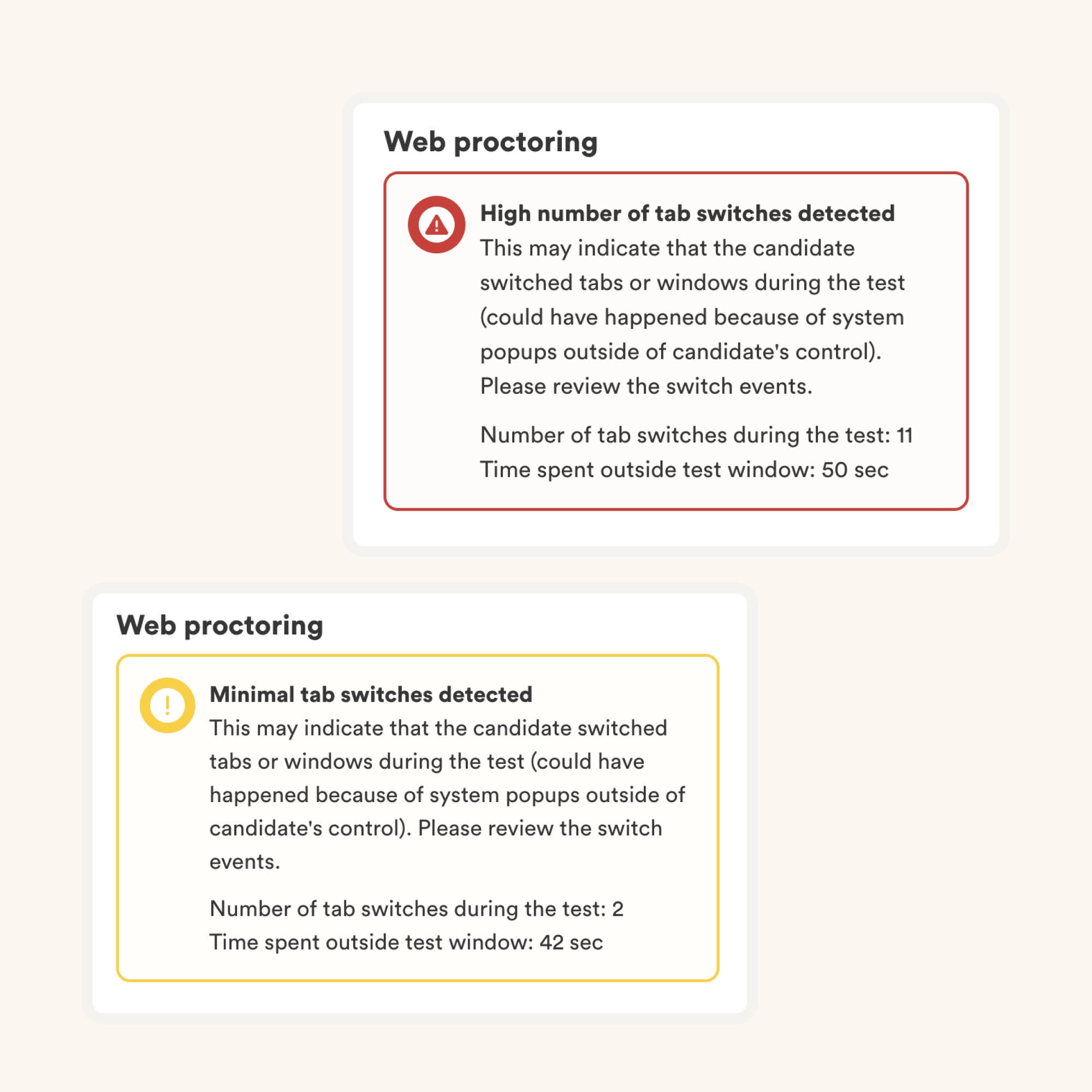
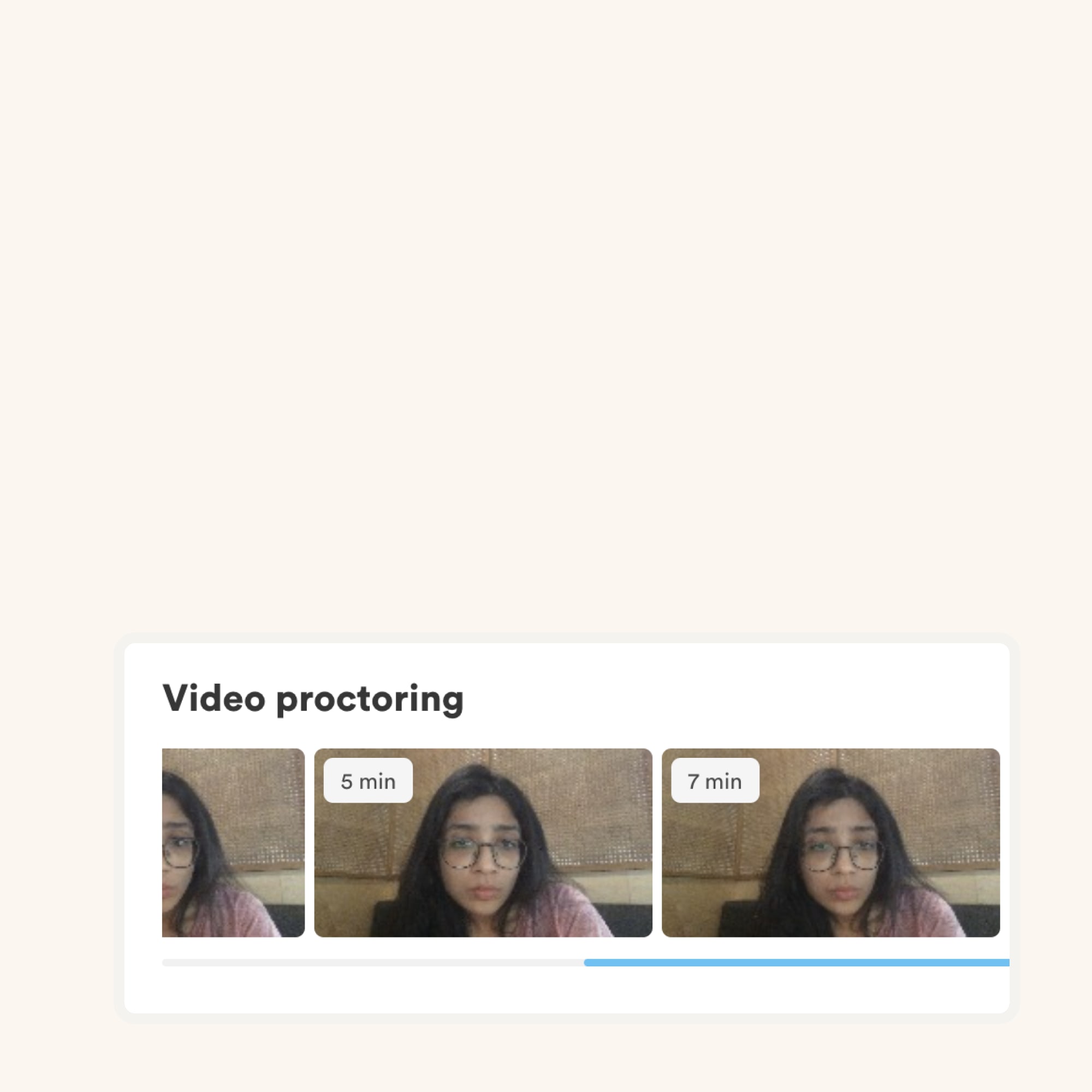
Web Proctoring

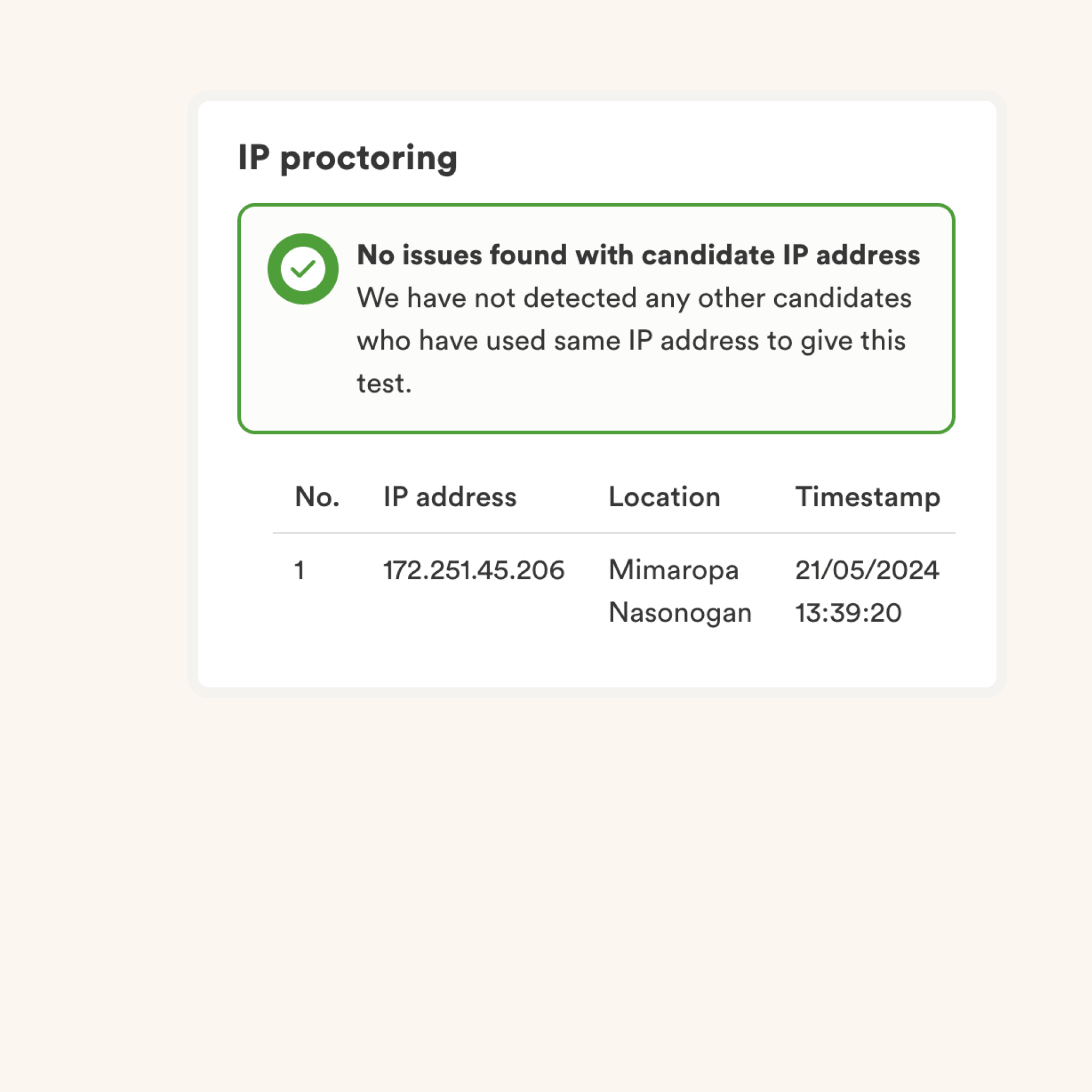
IP Proctoring

Webcam Proctoring

MCQ Questions

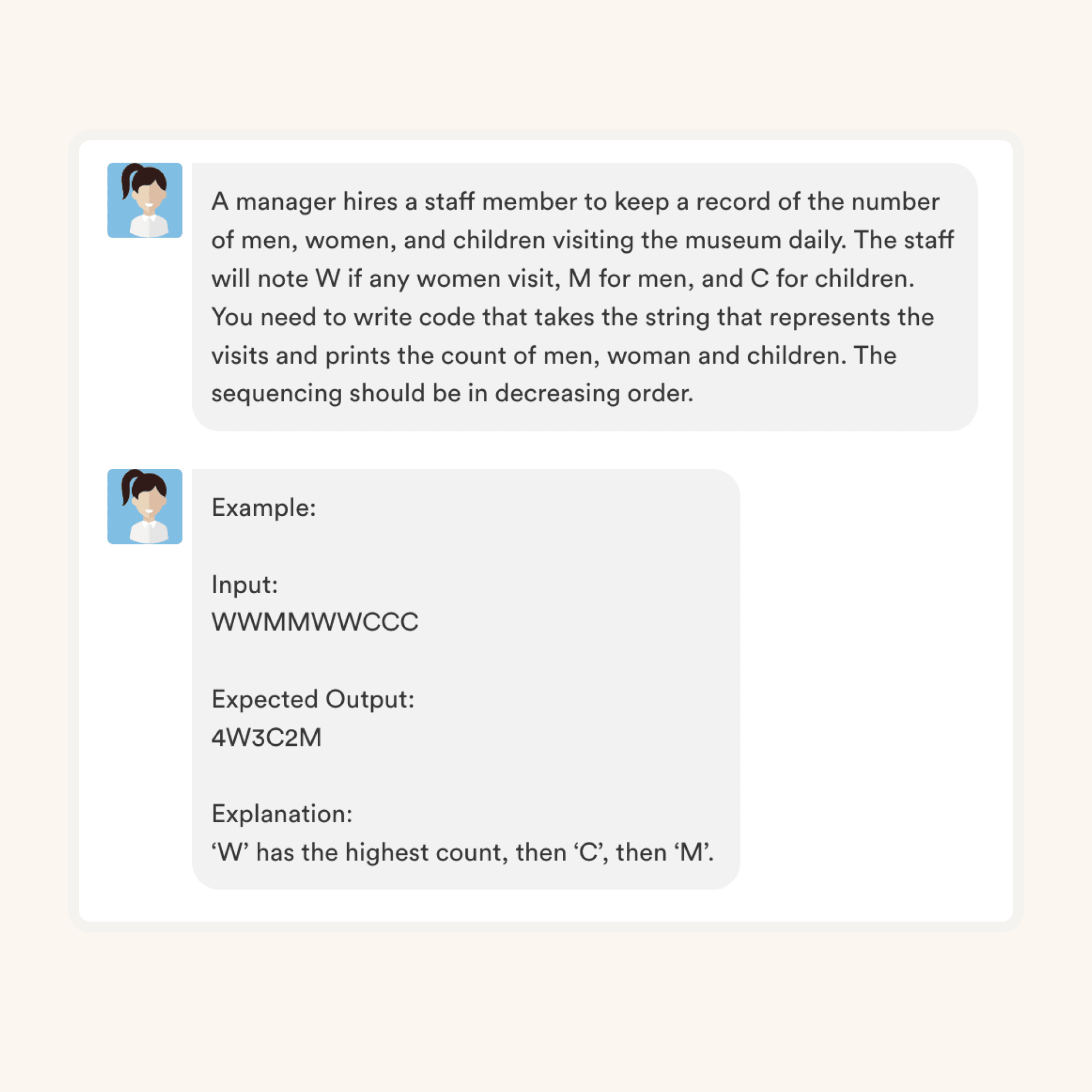
Coding Questions

Typing Questions

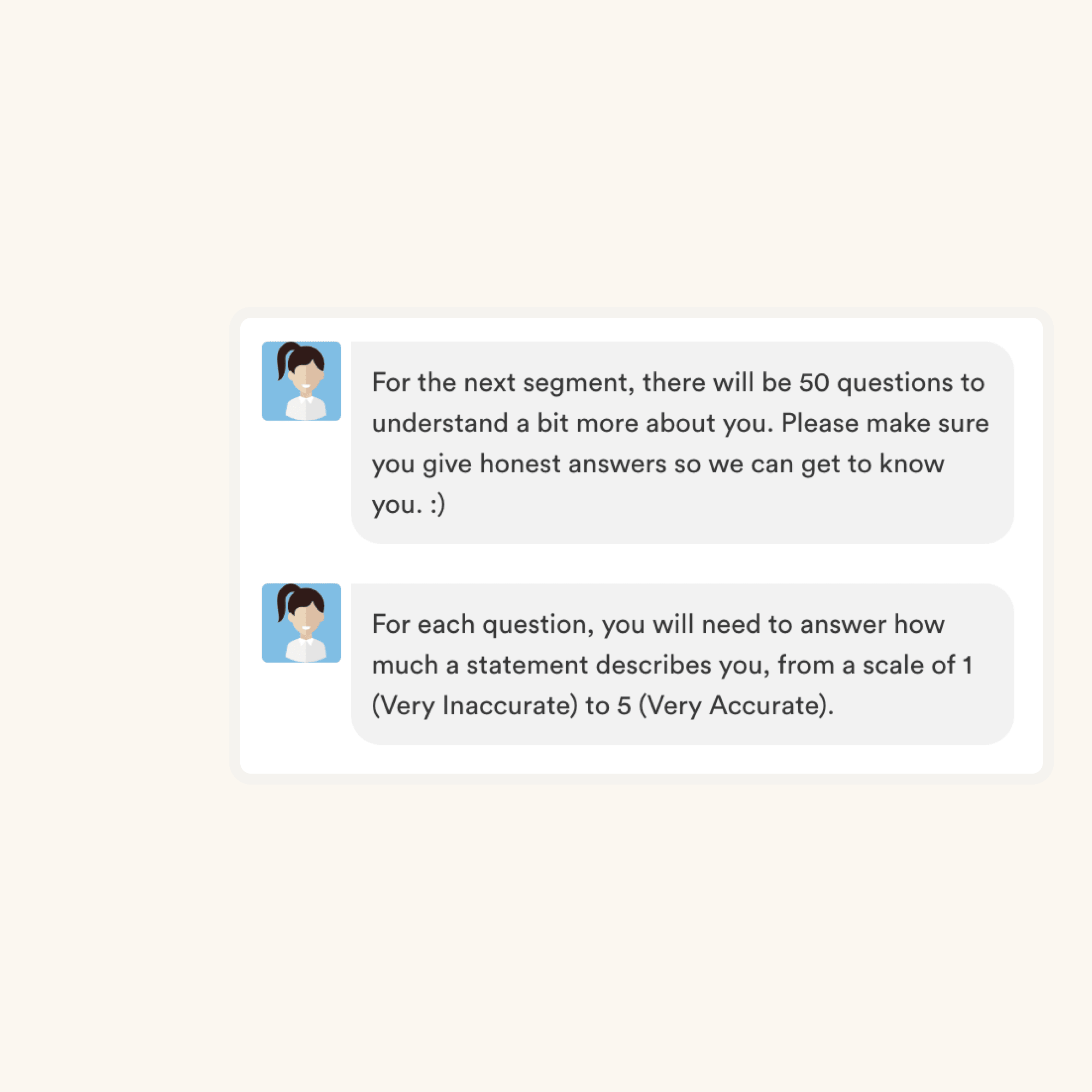
Personality Questions

Custom Questions

Ready-to-use Tests

Custom Tests

Custom Branding

Bulk Invites

Public Links

ATS Integrations

Multiple Question Sets

Custom API integrations

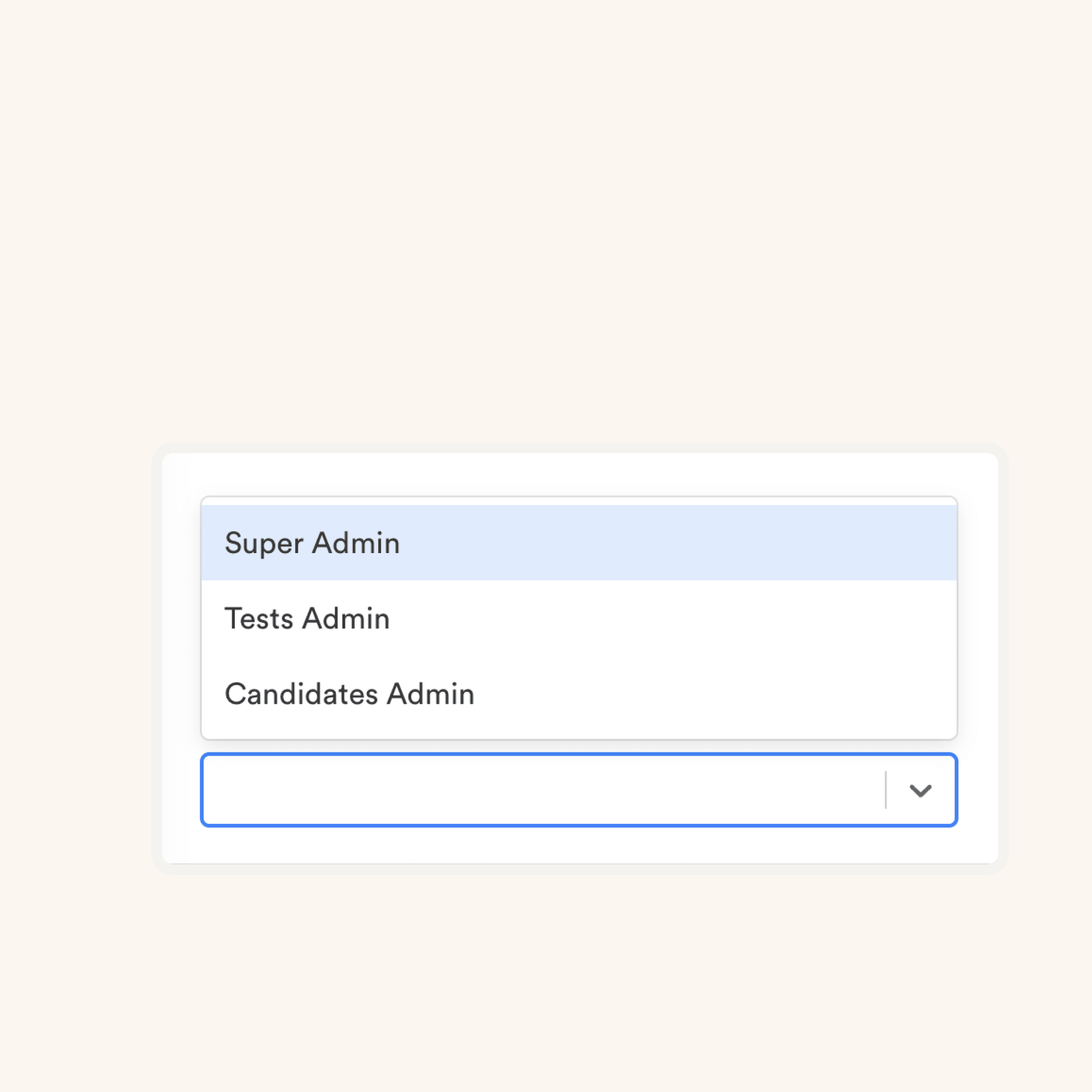
Role-based Access

Priority Support

GDPR Compliance

Screen candidates in 3 easy steps

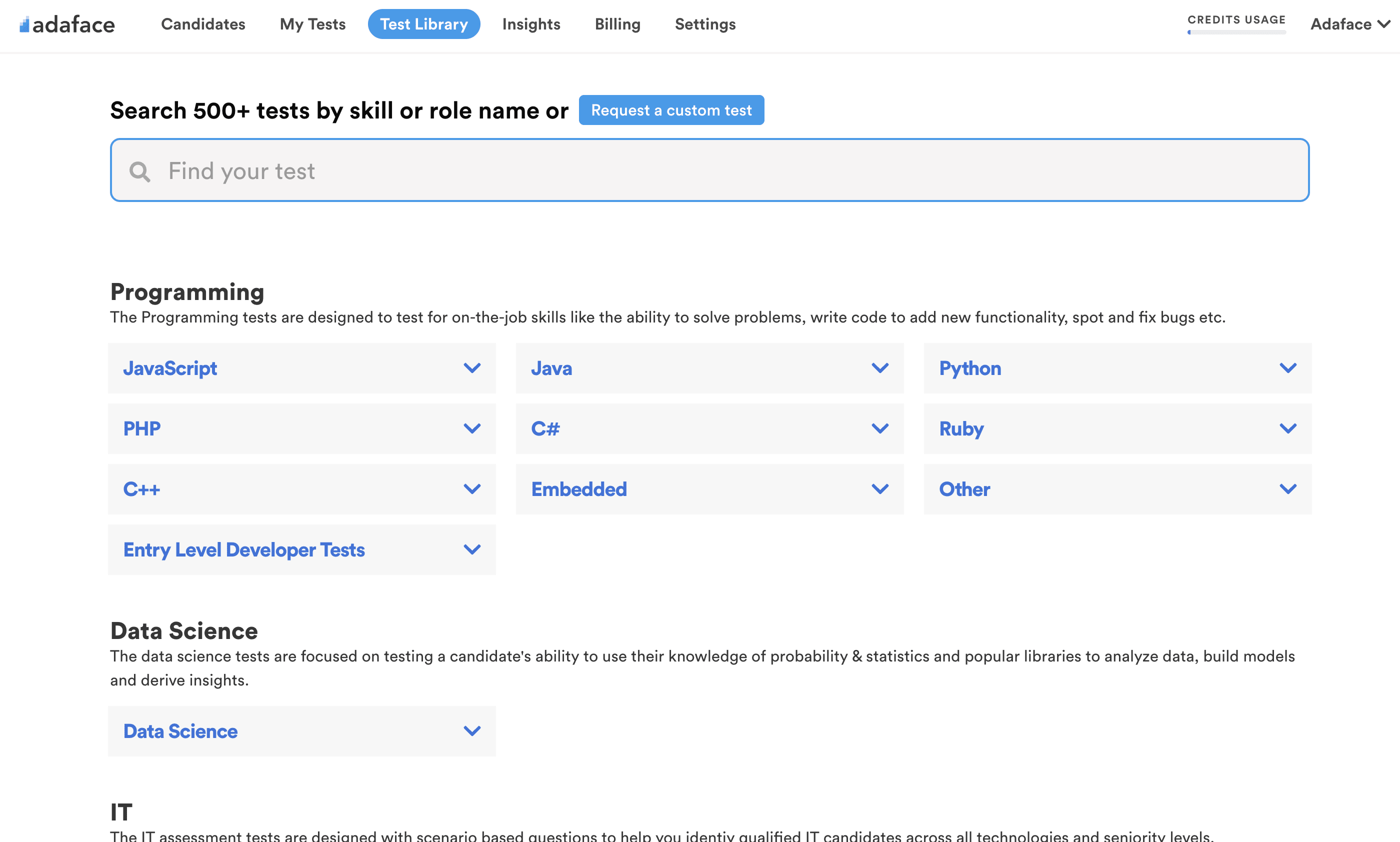
Pick a test from over 500+ tests

The Adaface test library features 500+ tests to enable you to test candidates on all popular skills- everything from programming languages, software frameworks, devops, logical reasoning, abstract reasoning, critical thinking, fluid intelligence, content marketing, talent acquisition, customer service, accounting, product management, sales and more.

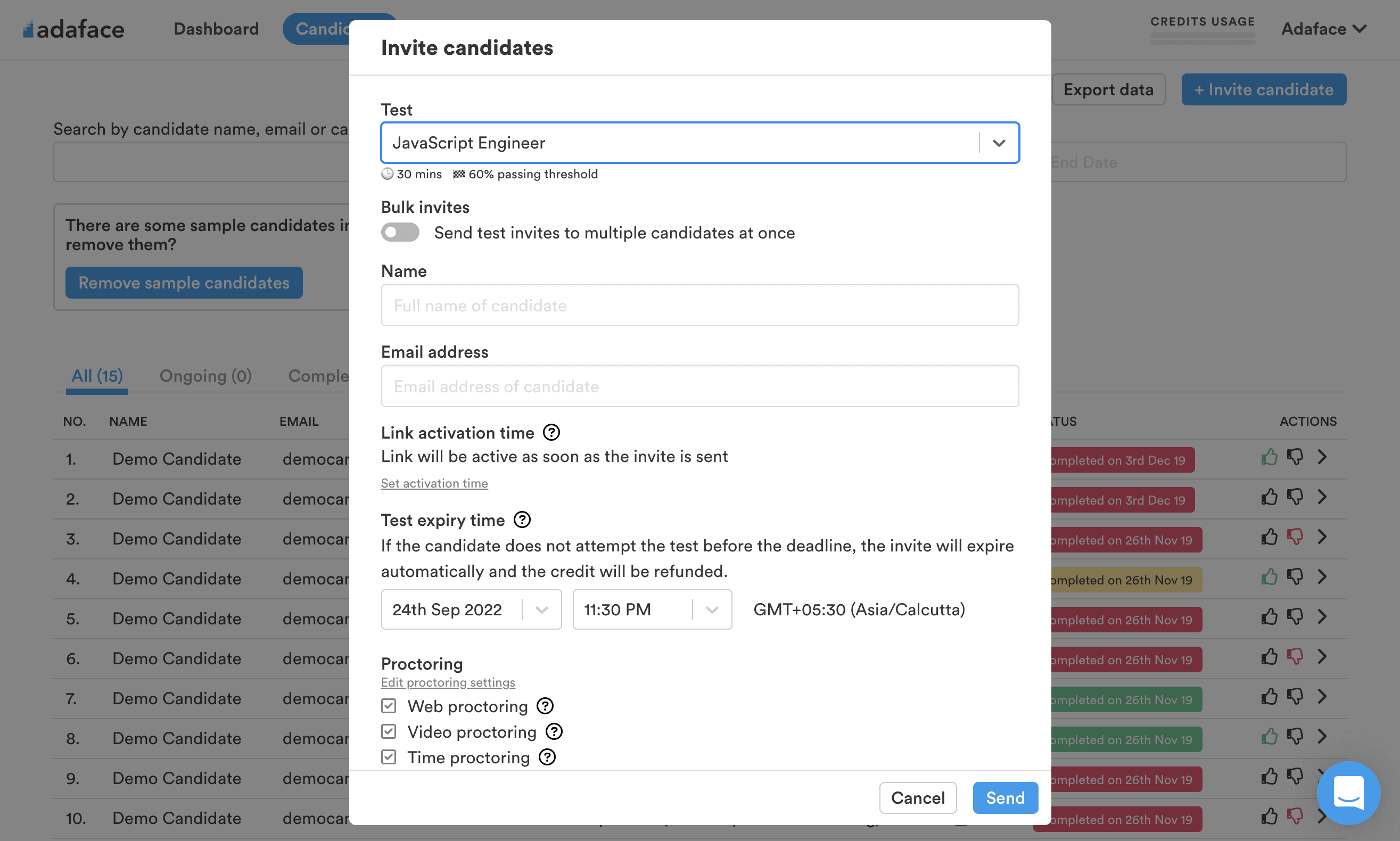
Invite your candidates with 2-clicks

Make informed hiring decisions

Have questions about the GPU Performance Engineer Hiring Test?

What is the GPU Performance Engineer Test?

The GPU Performance Engineer Test is designed to evaluate candidates' skills in GPU architecture, CUDA programming, PyTorch frameworks, and more. It is used by recruiters to identify candidates with strong GPU-focused software development abilities, making it easier to refine the hiring process.

Can I combine the GPU Performance Engineer Test with TensorFlow questions?

Yes, recruiters can request a customized test that includes skills from multiple areas. For a test that assesses TensorFlow skills, please check out our TensorFlow Test.

What topics are evaluated in the GPU Performance Engineer Test?

This test assesses proficiency in GPU architecture, CUDA programming, PyTorch frameworks, parallel computing concepts, GPU memory management, optimization techniques, deep learning acceleration, and more.

How to use the GPU Performance Engineer Test in my hiring process?

Use this test as an early-stage assessment to screen candidates by incorporating it in your job postings or direct email invitations. This approach replaces traditional resume screening for better candidate selection.

Can I test GPU programming and PyTorch together in a test?

Yes, testing GPU programming skills along with PyTorch is recommended for a comprehensive evaluation of candidates. Explore our PyTorch Test for more information.

What are the main AI and Machine Learning Tests?
Can I combine multiple skills into one custom assessment?

Yes, absolutely. Custom assessments are set up based on your job description, and will include questions on all must-have skills you specify. Here's a quick guide on how you can request a custom test.

Do you have any anti-cheating or proctoring features in place?

We have the following anti-cheating features in place:

  • Hidden AI Tools Detection with Honestly
  • Non-googleable questions
  • IP proctoring
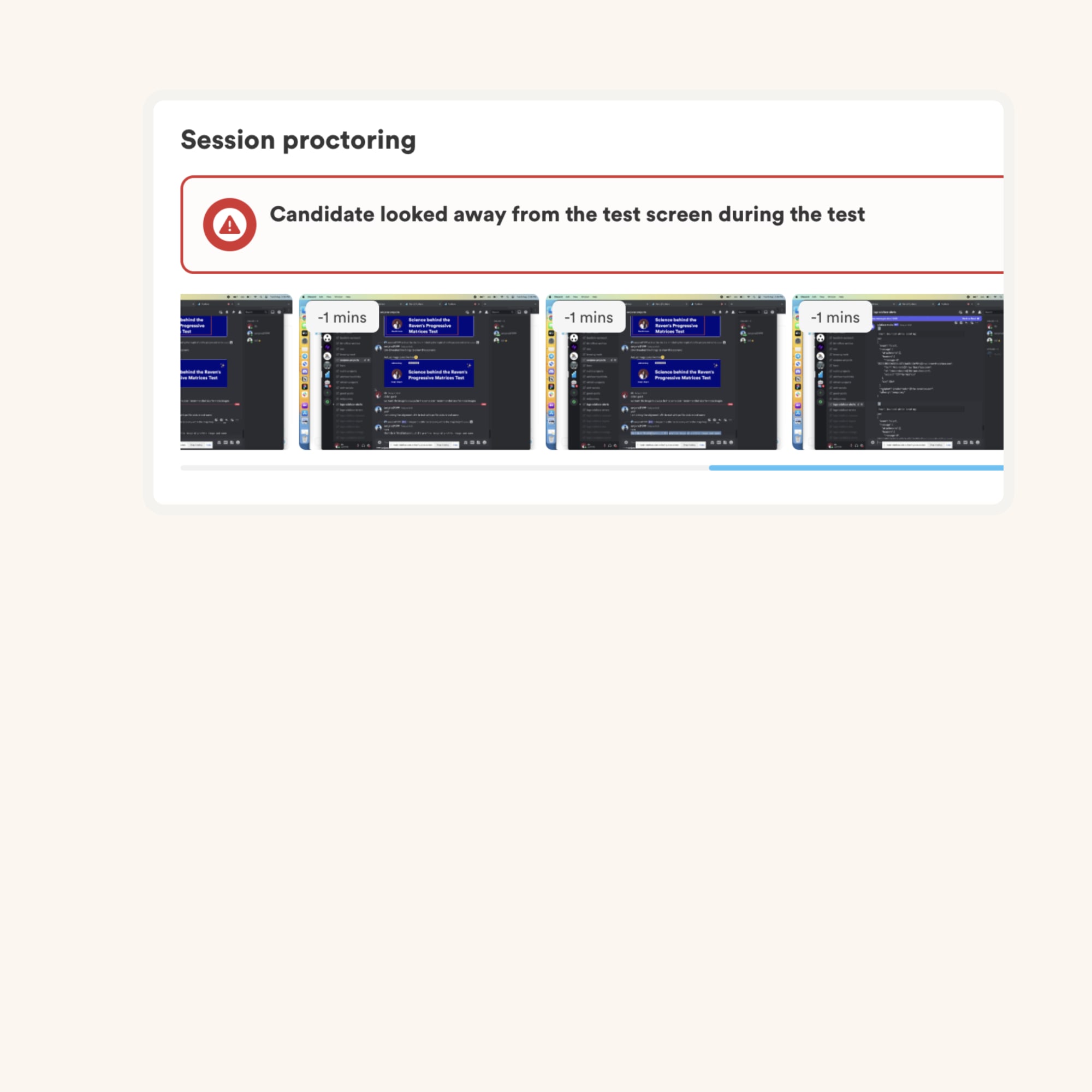
  • Screen proctoring
  • Web proctoring
  • Webcam proctoring
  • Plagiarism detection
  • Secure browser
  • Copy paste protection

Read more about the proctoring features.

How do I interpret test scores?

The primary thing to keep in mind is that an assessment is an elimination tool, not a selection tool. A skills assessment is optimized to help you eliminate candidates who are not technically qualified for the role, it is not optimized to help you find the best candidate for the role. So the ideal way to use an assessment is to decide a threshold score (typically 55%, we help you benchmark) and invite all candidates who score above the threshold for the next rounds of interview.

What experience level can I use this test for?

Each Adaface assessment is customized to your job description/ ideal candidate persona (our subject matter experts will pick the right questions for your assessment from our library of 10000+ questions). This assessment can be customized for any experience level.

Does every candidate get the same questions?

Yes, it makes it much easier for you to compare candidates. Options for MCQ questions and the order of questions are randomized. We have anti-cheating/ proctoring features in place. In our enterprise plan, we also have the option to create multiple versions of the same assessment with questions of similar difficulty levels.

I'm a candidate. Can I try a practice test?

No. Unfortunately, we do not support practice tests at the moment. However, you can use our sample questions for practice.

What is the cost of using this test?

You can check out our pricing plans.

Can I get a free trial?

Yes, you can sign up for free and preview this test.

I just moved to a paid plan. How can I request a custom assessment?

Here is a quick guide on how to request a custom assessment on Adaface.

View sample scorecard


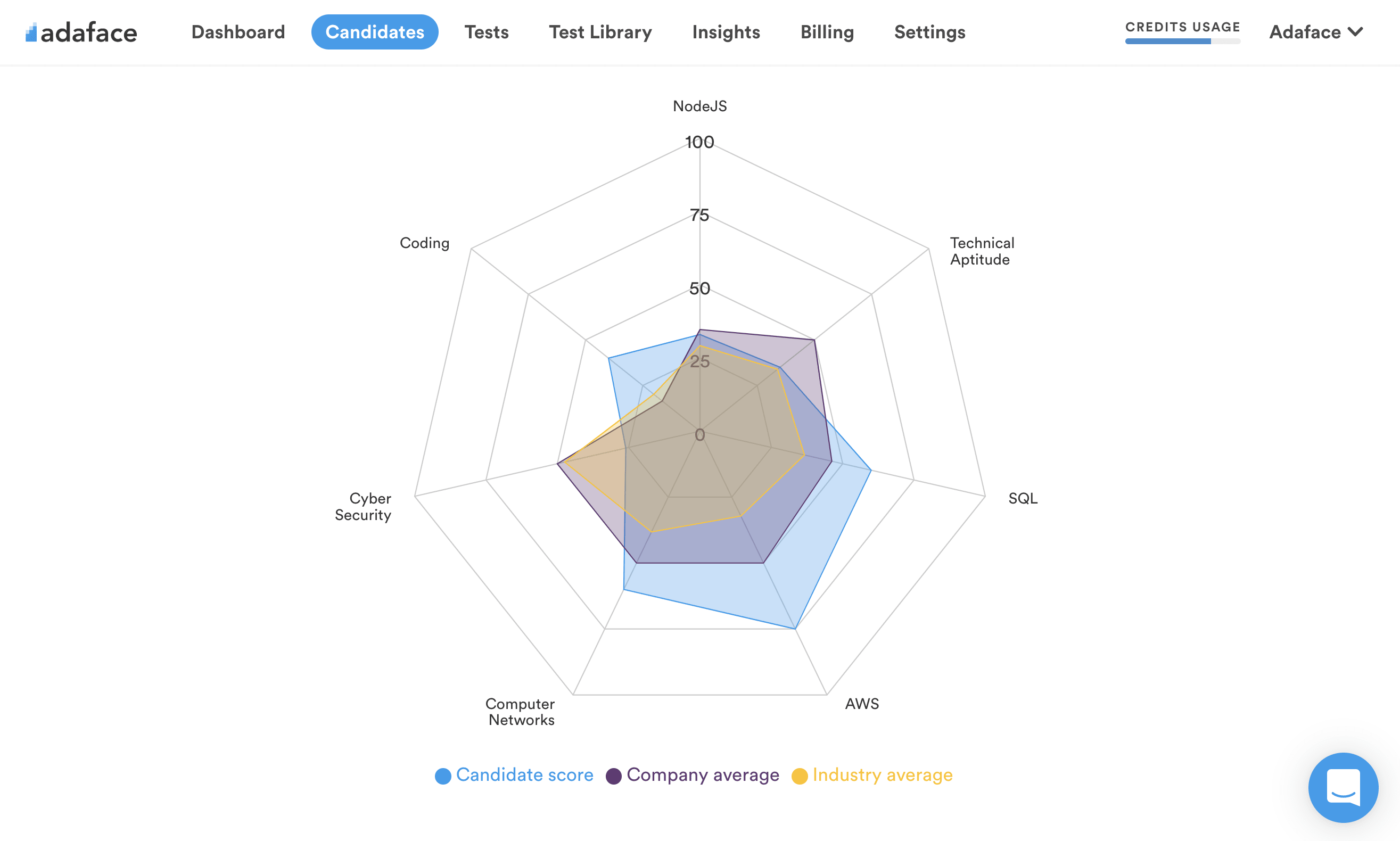
Along with scorecards that report the performance of the candidate in detail, you also receive a comparative analysis against the company average and industry standards.

View sample scorecard
customers across world
Join 1200+ companies in 80+ countries.
Try the most candidate friendly skills assessment tool today.
g2 badges
Ready to use the Adaface GPU Performance Engineer Test?
logo
40 min tests.
No trick questions.
Accurate shortlisting.
Terms Privacy Trust Guide
ada
Ada
● Online
Previous
Score: NA
Next
✖️