Search test library by skills or roles
⌘ K

Applied AI Scientist Test

The Applied AI Scientist Test assesses a candidate's proficiency in AI topics including Prompt Engineering, Generative AI, Machine Learning, and Deep Learning. It uses scenario-based MCQs to evaluate understanding of key AI concepts and includes a Python coding question to check hands-on programming skills, essential for Applied AI roles.

Covered skills:

  • Prompt Engineering
  • Generative AI
  • Machine Learning
  • Deep Learning
  • Python Coding
  • AI Model Evaluation
  • Natural Language Processing
  • AI Ethics and Bias
  • Neural Networks
  • Data Preprocessing
  • AI Deployment
  • Model Optimization
Get started for free
Preview questions

About the Applied AI Scientist Assessment Test


The Applied AI Scientist Test helps recruiters and hiring managers identify qualified candidates from a pool of resumes, and helps in taking objective hiring decisions. It reduces the administrative overhead of interviewing too many candidates and saves time by filtering out unqualified candidates at the first step of the hiring process.

The test screens for the following skills that hiring managers look for in candidates:

  • Demonstrate proficiency in designing effective prompts for AI models.
  • Exhibit understanding of generative AI concepts and applications.
  • Apply machine learning algorithms to solve real-world problems.
  • Implement deep learning techniques for complex data analysis.
  • Develop and debug Python scripts for AI and machine learning tasks.
  • Evaluate AI models for performance and accuracy.
  • Utilize natural language processing techniques for language-based AI solutions.
  • Identify and address ethical concerns and biases in AI models.
  • Design and train neural networks for various applications.
  • Perform data preprocessing for optimal model performance.
  • Deploy AI models efficiently in production environments.
  • Optimize AI models for better efficiency and scalability.

1200+ customers in 80 countries


Use Adaface tests trusted by recruitment teams globally. Adaface skill assessments measure on-the-job skills of candidates, providing employers with an accurate tool for screening potential hires.

customers in 75 countries
Get started for free
Preview questions

Non-googleable questions


We have a very high focus on the quality of questions that test for on-the-job skills. Every question is non-googleable and we have a very high bar for the level of subject matter experts we onboard to create these questions. We have crawlers to check if any of the questions are leaked online. If/ when a question gets leaked, we get an alert. We change the question for you & let you know.

How we design questions

These are just a small sample from our library of 15,000+ questions. The actual questions on this Applied AI Scientist Test will be non-googleable.

🧐 Question

Easy

JSON Prompt Design
JSON structure
Prompt crafting
Data types
Solve
You are asked to create a prompt for a language model that outputs JSON data for a company's employee database. The JSON must include an employee's ID, name, age, and whether they are currently active. Consider how you might structure your prompt given these fields. Identify the best prompt design.
Example JSON output:
{
   "ID": "123",
   "Name": "John Doe",
   "Age": 30,
   "Active": true
}
Which prompt structure would most effectively guide the language model to generate the correct JSON format?
A: Create JSON objects for employees with fields: ID, Name, Age, Active. ID should be a string.
B: Generate JSON data: ID, Name, Age, Active. ID is a number.
C: Output JSON: ID (string), Name, Age (integer), Active (boolean).
D: Make JSON: ID, Name, Age, Active. ID is always number.
E: Design JSON response: ID, Name, Age, Active with clear typing.
F: Provide JSON example: Employee data with structured fields.

Medium

Temperature Settings
Temperature calibration
Generative behavior
Output variability analysis
Solve
Consider the following prompt given to an LLM:

System Prompt: "You are a creative writing assistant helping authors develop character descriptions. Use vivid imagery and engaging language to bring characters to life."
Main Prompt: "Write a character description for a mysterious librarian with the following traits:

Works in an ancient library
Has silver hair and green eyes
Knows secrets about forbidden books
Appears to be in their 40s but seems much older
Always wears a pendant with strange symbols"

Three outputs were generated with different temperature settings:
Output A:
"The librarian possesses silver hair and green eyes. Age appears to be approximately 40 years. Works in an ancient library facility. Has knowledge of restricted book collections. Wears jewelry featuring symbolic markings. Maintains professional demeanor while handling library materials."
Output B:
"Elara moves through the ancient library like a ghost haunting familiar halls, her silver hair catching moonbeams that slip through Gothic windows. Those emerald eyes hold centuries of secrets—too many secrets for someone who claims only four decades of life. The obsidian pendant at her throat pulses with runes that predate any known language, and when she speaks of the forbidden texts, her voice carries the weight of ages. There's something unsettling about how she never seems surprised by anything, as if she's been waiting lifetimes for each visitor to find their way to her domain."
Output C:
"Meet Elara, the enigmatic keeper of knowledge whose silver locks frame a face that defies time itself. Her piercing green eyes seem to peer directly into your soul, holding secrets that could unravel reality. The ancient library around her creaks with whispered stories, and she alone holds the keys to the forbidden sections where dangerous truths slumber. The mystical pendant adorning her neck bears symbols older than civilization, pulsing with otherworldly energy that hints at her true nature."
Which temperature setting was most likely used for each output?
A) Output A (T=0.1), Output B (T=1.0), Output C (T=0.5)
B) Output A (T=0.5), Output B (T=0.1), Output C (T=1.0)
C) Output A (T=0.1), Output B (T=0.5), Output C (T=1.0)
D) Output A (T=1.0), Output B (T=0.5), Output C (T=0.1)
E) Output A (T=0.5), Output B (T=1.0), Output C (T=0.1)

Easy

Gradient descent optimization
Gradient Descent
Learning Rate Schedules
Optimization Techniques
Solve
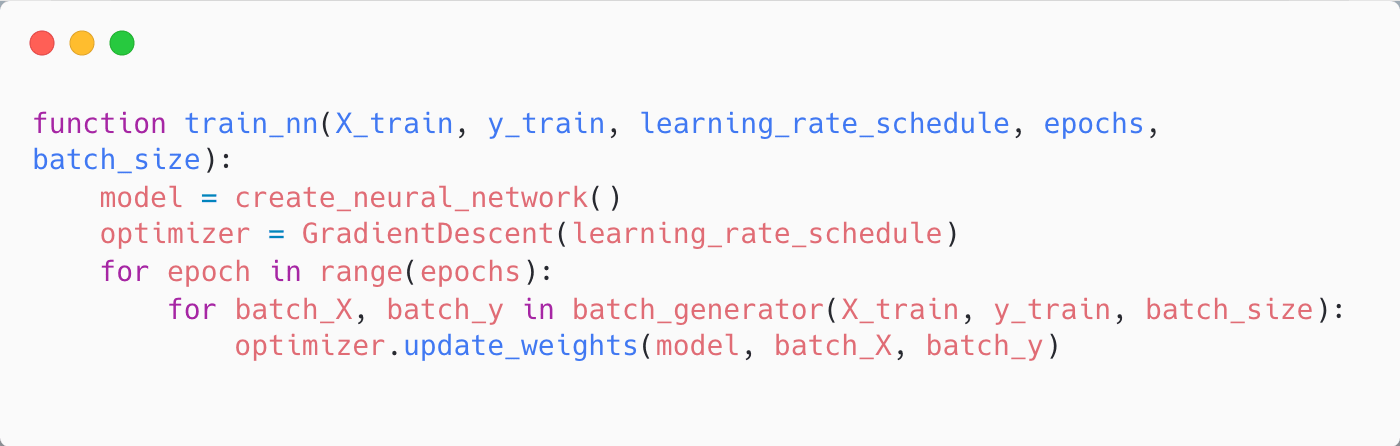
You are working on a regression problem using a simple neural network. You want to optimize the model's weights using gradient descent with different learning rate schedules. Consider the following pseudo code for training the neural network:
 image
Which of the following learning rate schedules would most likely result in the fastest convergence without overshooting the optimal weights?

A: Constant learning rate of 0.01
B: Exponential decay with initial learning rate of 0.1 and decay rate of 0.99
C: Exponential decay with initial learning rate of 0.01 and decay rate of 0.99
D: Step decay with initial learning rate of 0.1 and decay rate of 0.5 every 100 epochs
E: Step decay with initial learning rate of 0.01 and decay rate of 0.5 every 100 epochs
F: Constant learning rate of 0.1

Medium

Less complex decision tree model
Model Complexity
Overfitting
Data Transformation
Overfitting Prevention
Solve
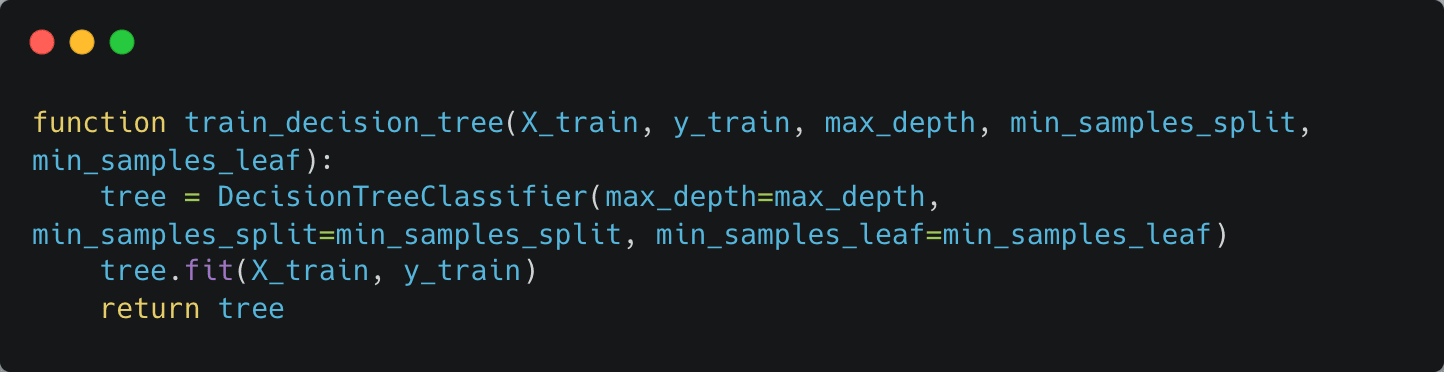
You are given a dataset to solve a classification problem using a decision tree algorithm. You are concerned about overfitting and decide to implement pruning to control the model's complexity. Consider the following pseudo code for creating the decision tree model:
 image
Which of the following combinations of parameters would result in a less complex decision tree model, reducing the risk of overfitting?

A: max_depth=5, min_samples_split=2, min_samples_leaf=1
B: max_depth=None, min_samples_split=5, min_samples_leaf=5
C: max_depth=3, min_samples_split=2, min_samples_leaf=1
D: max_depth=None, min_samples_split=2, min_samples_leaf=1
E: max_depth=3, min_samples_split=10, min_samples_leaf=10
F; max_depth=5, min_samples_split=5, min_samples_leaf=5

Easy

n-gram generator
String Manipulation
Algorithm
Solve
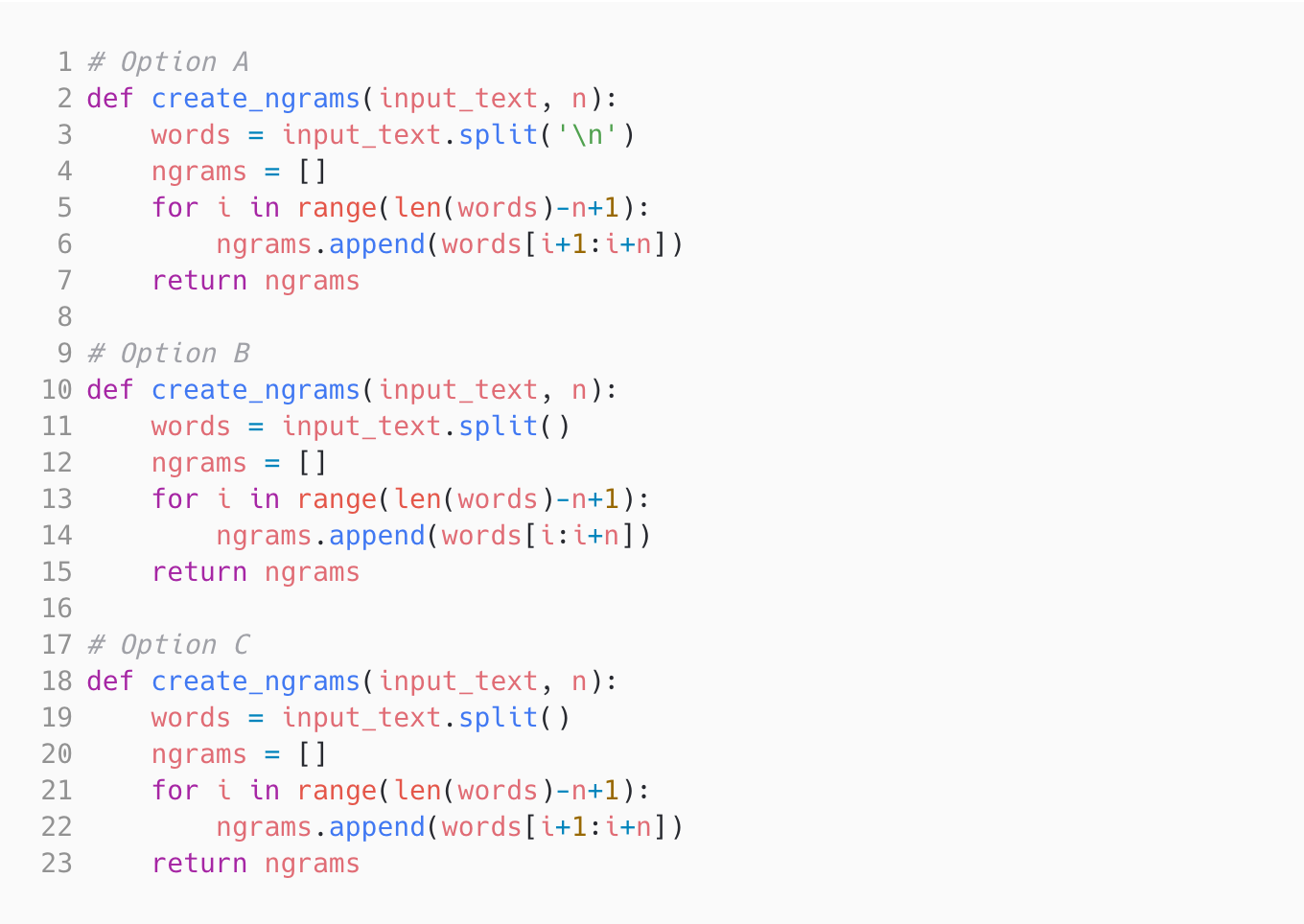
Our newest machine learning developer want to write a function to calculate the n-gram of any text. An N-gram means a sequence of N words. So for example, "black cats" is a 2-gram, "saw black cats" is a 3-gram etc. The 2-gram of the sentence "the big bad wolf fell down" would be [["the", "big"], ["big", "bad"], ["bad", "wolf"], ["wolf", "fell"], ["fell", "down"]]. Can you help them select the correct function for the same?
 image

Easy

Recommendation System Selection
Recommender Systems
Collaborative Filtering
Content-Based Filtering
Solve
You are tasked with building a recommendation system for a newly launched e-commerce website. Given that the website is new, there is not much user interaction data available. Also, the items in the catalog have rich descriptions. Based on these requirements, which type of recommendation system approach would be the most suitable for this task?

Easy

Sensitivity and Specificity
Confusion Matrix
Model Evaluation
Sensitivity
Specificity
Solve
You have trained a supervised learning model to classify customer reviews as either "positive" or "negative" based on a dataset with 10,000 samples and 35 features, including the review text, reviewer's name, and rating. The dataset is split into a 7,000-sample training set and a 3,000-sample test set.

After training the model, you evaluate its performance using a confusion matrix on the test set, which shows the following results:
 image
Based on the confusion matrix, what are the sensitivity and specificity of the model?

Medium

Changed decision boundary
Solve
We have trained a model on a linearly separable training set to classify the data points into 2 sets (binary classification). Our intern recently labelled some new data points which are all correctly classified by the model. All of the new data points lie far away from the decision boundary. We added these new data points and re-trained our model- our decision boundary changed. Which of these models do you think we could be working with?
The 2 data sources use SQL Server and have a 3-character CompanyCode column. Both data sources contain an ORDER BY clause to sort the data by CompanyCode in ascending order. 

Teylor wants to make sure that the Merge Join transformation works without additional transformations. What would you recommend?
A: Perceptron
B: SVM
C: Logistic regression
D: Guassion discriminant analysis

Medium

CNN Architecture Tuning
Convolutional Neural Networks
Hyperparameter Optimization
Solve
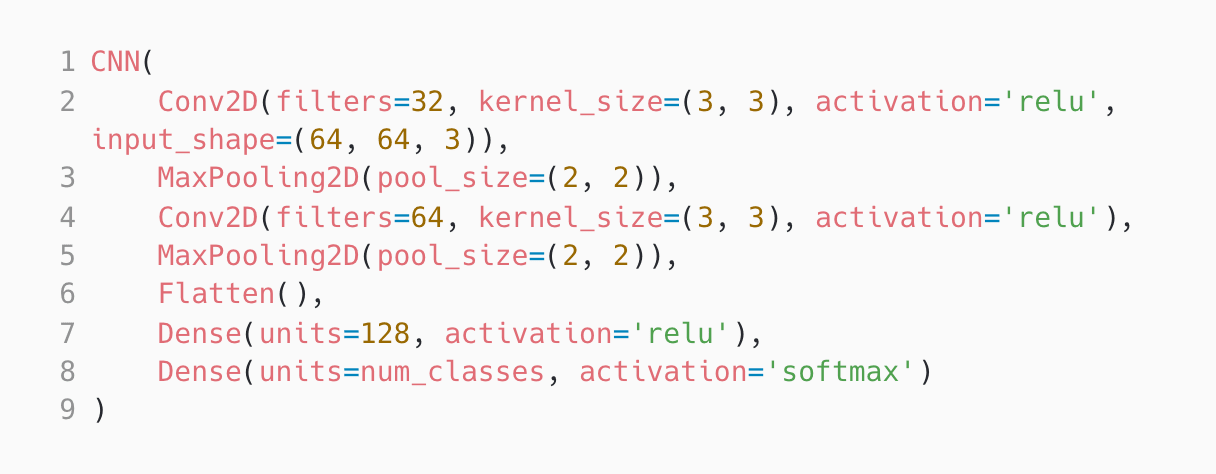
You are fine-tuning a Convolutional Neural Network (CNN) for image classification. The network architecture is as follows:
 image
The model is trained using the following parameters:

- Batch size: 64
- Learning rate: 0.001
- Optimizer: Adam
- Loss function: Categorical cross-entropy

After several training epochs, you observe that the training accuracy is high, but the validation accuracy plateaus and is significantly lower. This suggests possible overfitting. Which of the following adjustments would most effectively mitigate this issue without overly compromising the model's performance?
A: Increase the batch size to 128
B: Add dropout layers with a dropout rate of 0.5 after each MaxPooling2D layer
C: Replace Adam optimizer with SGD (Stochastic Gradient Descent)
D: Decrease the number of filters in each Conv2D layer by half
E: Increase the learning rate to 0.01
F: Reduce the size of the Dense layer to 64 units

Medium

CNN for Imbalanced Image Dataset
Convolutional Neural Networks
Imbalanced Datasets
Techniques For Handling Class Imbalance
Hyperparameter Tuning
Solve
You are fine-tuning a Convolutional Neural Network (CNN) for an image classification task where the dataset is highly imbalanced. The majority class comprises 70% of the data. The initial model setup and subsequent experiments yield the following observations:

**Initial Setup:**

- CNN architecture: 6 convolutional layers with increasing filter sizes, followed by 2 fully connected layers.
- Activation function: ReLU
- No class-weighting or data augmentation.
- Results: High overall accuracy, but poor precision and recall for minority classes.

**Experiment 1:**

- Changes: Implement class-weighting to penalize mistakes on minority classes more heavily.
- Results: Improved precision and recall for minority classes, but overall accuracy slightly decreased.

**Experiment 2:**

- Changes: Add dropout layers with a rate of 0.5 after each convolutional layer.
- Results: Overall accuracy decreased, and no significant change in precision and recall for minority classes.

Given these outcomes, what is the most effective strategy to further improve the model's performance specifically for the minority classes without compromising the overall accuracy?
A: Increase the dropout rate to 0.7
B: Further fine-tune class-weighting parameters
C: Increase the number of filters in the convolutional layers
D: Add batch normalization layers after each convolutional layer
E: Use a different activation function like LeakyReLU
F: Implement more aggressive data augmentation on the minority class
🧐 Question 🔧 Skill

Easy

JSON Prompt Design
JSON structure
Prompt crafting
Data types

2 mins

Prompt Engineering
Solve

Medium

Temperature Settings
Temperature calibration
Generative behavior
Output variability analysis

2 mins

Prompt Engineering
Solve

Easy

Gradient descent optimization
Gradient Descent
Learning Rate Schedules
Optimization Techniques

2 mins

Machine Learning
Solve

Medium

Less complex decision tree model
Model Complexity
Overfitting
Data Transformation
Overfitting Prevention

2 mins

Machine Learning
Solve

Easy

n-gram generator
String Manipulation
Algorithm

2 mins

Machine Learning
Solve

Easy

Recommendation System Selection
Recommender Systems
Collaborative Filtering
Content-Based Filtering

2 mins

Machine Learning
Solve

Easy

Sensitivity and Specificity
Confusion Matrix
Model Evaluation
Sensitivity
Specificity

2 mins

Machine Learning
Solve

Medium

Changed decision boundary

2 mins

Deep Learning
Solve

Medium

CNN Architecture Tuning
Convolutional Neural Networks
Hyperparameter Optimization

3 mins

Deep Learning
Solve

Medium

CNN for Imbalanced Image Dataset
Convolutional Neural Networks
Imbalanced Datasets
Techniques For Handling Class Imbalance
Hyperparameter Tuning

3 mins

Deep Learning
Solve
🧐 Question 🔧 Skill 💪 Difficulty ⌛ Time
JSON Prompt Design
JSON structure
Prompt crafting
Data types
Prompt Engineering
Easy 2 mins
Solve
Temperature Settings
Temperature calibration
Generative behavior
Output variability analysis
Prompt Engineering
Medium 2 mins
Solve
Gradient descent optimization
Gradient Descent
Learning Rate Schedules
Optimization Techniques
Machine Learning
Easy 2 mins
Solve
Less complex decision tree model
Model Complexity
Overfitting
Data Transformation
Overfitting Prevention
Machine Learning
Medium 2 mins
Solve
n-gram generator
String Manipulation
Algorithm
Machine Learning
Easy 2 mins
Solve
Recommendation System Selection
Recommender Systems
Collaborative Filtering
Content-Based Filtering
Machine Learning
Easy 2 mins
Solve
Sensitivity and Specificity
Confusion Matrix
Model Evaluation
Sensitivity
Specificity
Machine Learning
Easy 2 mins
Solve
Changed decision boundary
Deep Learning
Medium 2 mins
Solve
CNN Architecture Tuning
Convolutional Neural Networks
Hyperparameter Optimization
Deep Learning
Medium 3 mins
Solve
CNN for Imbalanced Image Dataset
Convolutional Neural Networks
Imbalanced Datasets
Techniques For Handling Class Imbalance
Hyperparameter Tuning
Deep Learning
Medium 3 mins
Solve
Get started for free
Preview questions
love bonito

With Adaface, we were able to optimise our initial screening process by upwards of 75%, freeing up precious time for both hiring managers and our talent acquisition team alike!

Brandon Lee, Head of People, Love, Bonito

Brandon
love bonito

It's very easy to share assessments with candidates and for candidates to use. We get good feedback from candidates about completing the tests. Adaface are very responsive and friendly to deal with.

Kirsty Wood, Human Resources, WillyWeather

Brandon
love bonito

We were able to close 106 positions in a record time of 45 days! Adaface enables us to conduct aptitude and psychometric assessments seamlessly. My hiring managers have never been happier with the quality of candidates shortlisted.

Amit Kataria, CHRO, Hanu

Brandon
love bonito

We evaluated several of their competitors and found Adaface to be the most compelling. Great library of questions that are designed to test for fit rather than memorization of algorithms.

Swayam Narain, CTO, Affable

Brandon

Why you should use Pre-employment Applied AI Scientist Test?

The Applied AI Scientist Test makes use of scenario-based questions to test for on-the-job skills as opposed to theoretical knowledge, ensuring that candidates who do well on this screening test have the relavant skills. The questions are designed to covered following on-the-job aspects:

  • Crafting effective prompts for AI models.
  • Understanding generative AI concepts and applications.
  • Developing and training machine learning models.
  • Implementing basic neural network structures.
  • Utilizing Python for data analysis.
  • Evaluating AI models for performance.
  • Applying natural language processing techniques.
  • Understanding ethical considerations in AI.
  • Preprocessing data for machine learning models.
  • Optimizing models for better performance.

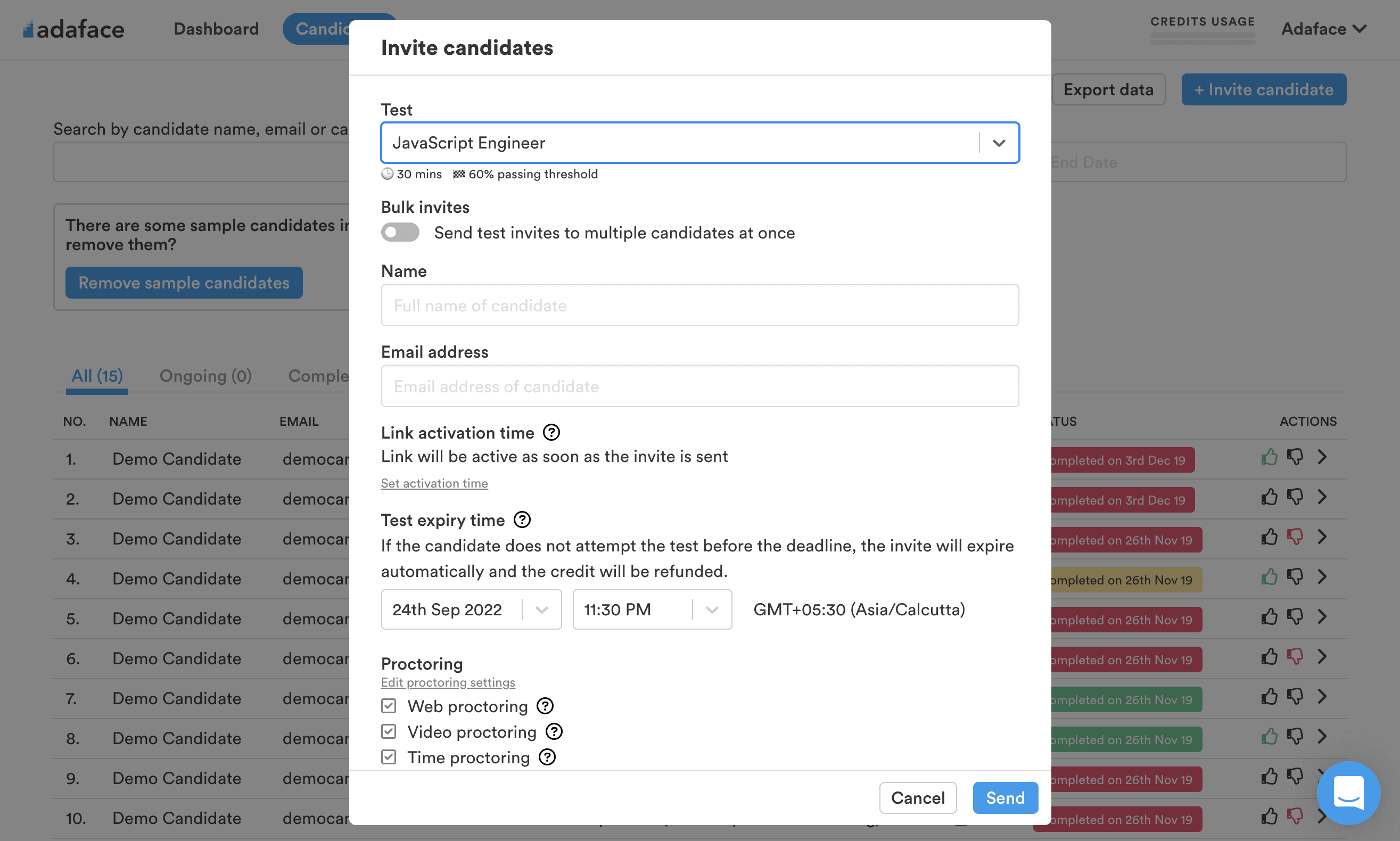
Once the test is sent to a candidate, the candidate receives a link in email to take the test. For each candidate, you will receive a detailed report with skills breakdown and benchmarks to shortlist the top candidates from your pool.

What topics are covered in the Applied AI Scientist Test?

Prompt Engineering: Prompt engineering involves crafting and optimizing input prompts to guide AI models in generating relevant outputs. It's crucial as it directly influences the performance and effectiveness of language models, impacting the quality of AI-driven solutions.

Generative AI: Generative AI refers to systems that create content, such as text, images, and music, mimicking human-like creativity. This skill is vital in areas like content creation and simulation, pushing the boundaries of traditional AI capabilities.

Machine Learning: Machine Learning involves training algorithms to recognize patterns and make decisions based on data. Understanding ML is fundamental as it's the backbone of AI systems, enabling automation and predictive analytics.

Deep Learning: Deep Learning leverages multi-layered neural networks to model complex patterns in large datasets. It's essential due to its transformative impact on tasks involving image and speech recognition, among others.

Python Coding: Python Coding is indispensable in AI for its simplicity and extensive libraries that facilitate rapid prototyping and model deployment. Python's dominance in AI makes proficiency in it crucial for leveraging state-of-the-art algorithms.

AI Model Evaluation: AI Model Evaluation encompasses techniques to assess the performance, reliability, and generalization of AI models. Effective evaluation ensures that models meet the desired accuracy and reliability before deployment.

Natural Language Processing: Natural Language Processing (NLP) entails enabling computers to understand and interpret human language. Mastery of NLP expands the interaction capabilities of AI, making it essential for many modern applications, from virtual assistants to sentiment analysis.

AI Ethics and Bias: AI Ethics and Bias focuses on the moral implications of AI systems, ensuring fair, unbiased, and respectful AI deployments. Tackling ethical concerns is paramount as the technology becomes more ingrained in decision-making processes.

Neural Networks: Neural Networks are computational models inspired by the human brain, underpinning many modern AI applications. Their adaptability makes them a powerful tool for learning from complex datasets in supervised or unsupervised manners.

Data Preprocessing: Data Preprocessing involves cleansing and organizing raw data into a format suitable for machine learning models. Proper preprocessing is crucial for enhancing model performance and ensuring reliable predictions.

AI Deployment: AI Deployment covers the integration and delivery of AI models into production environments. Successful deployment ensures that models operate efficiently in real-world settings, maintaining expected performance levels.

Model Optimization: Model Optimization refers to refining an AI model to improve its accuracy and efficiency. Whether through hyperparameter tuning or architecture selection, optimization is key to maximizing a model's effectiveness and performance.

Full list of covered topics

The actual topics of the questions in the final test will depend on your job description and requirements. However, here's a list of topics you can expect the questions for Applied AI Scientist Test to be based on.

Prompt Design
Generative Models
Transformer Models
Supervised Learning
Unsupervised Learning
Neural Networks
Convolutional Networks
Recurrent Networks
Python Scripting
Pandas Library
Numpy Arrays
Scikit-Learn
TensorFlow Basics
PyTorch Implementation
Model Evaluation
Cross Validation
Confusion Matrix
Precision Recall
Bias Mitigation
Fair AI
Text Preprocessing
Tokenization
Word Embeddings
Sentiment Analysis
Data Normalization
Feature Scaling
AI Ethics
Bias Detection
Hyperparameter Tuning
Model Deployment
APIs for AI
Cloud Deployment
Edge AI
Optimization Techniques
Gradient Descent
Backpropagation
Overfitting Prevention
Regularization
Transfer Learning
Fine Tuning
Machine Translation
Image Classification
Speech Recognition
Reinforcement Learning
AI in Healthcare
AI in Finance
AI in Robotics
GANs Introduction
Style Transfer
Autoencoders
Zero Shot Learning
Few Shot Learning

What roles can I use the Applied AI Scientist Test for?

  • AI Scientist
  • Machine Learning Engineer
  • Data Scientist
  • AI Developer
  • Deep Learning Engineer
  • Research Scientist
  • Data Analyst
  • NLP Engineer
  • AI Consultant
  • R&D Engineer

How is the Applied AI Scientist Test customized for senior candidates?

For intermediate/ experienced candidates, we customize the assessment questions to include advanced topics and increase the difficulty level of the questions. This might include adding questions on topics like

  • Designing advanced neural network architectures.
  • Deploying AI models in production environments.
  • Assessing and mitigating AI bias.
  • Applying advanced generative AI techniques.
  • Integrating deep learning models in applications.
  • Implementing advanced prompt engineering strategies.
  • Developing complex AI solutions.
  • Understanding reinforcement learning principles.
  • Enhancing AI model scalability.
  • Implementing sophisticated data preprocessing methods.

The coding question for experienced candidates will be of a higher difficulty level to evaluate more hands-on experience.

Try the most advanced candidate assessment platform

AI Cheating Detection with Honestly

ChatGPT Protection

Non-googleable Questions

Web Proctoring

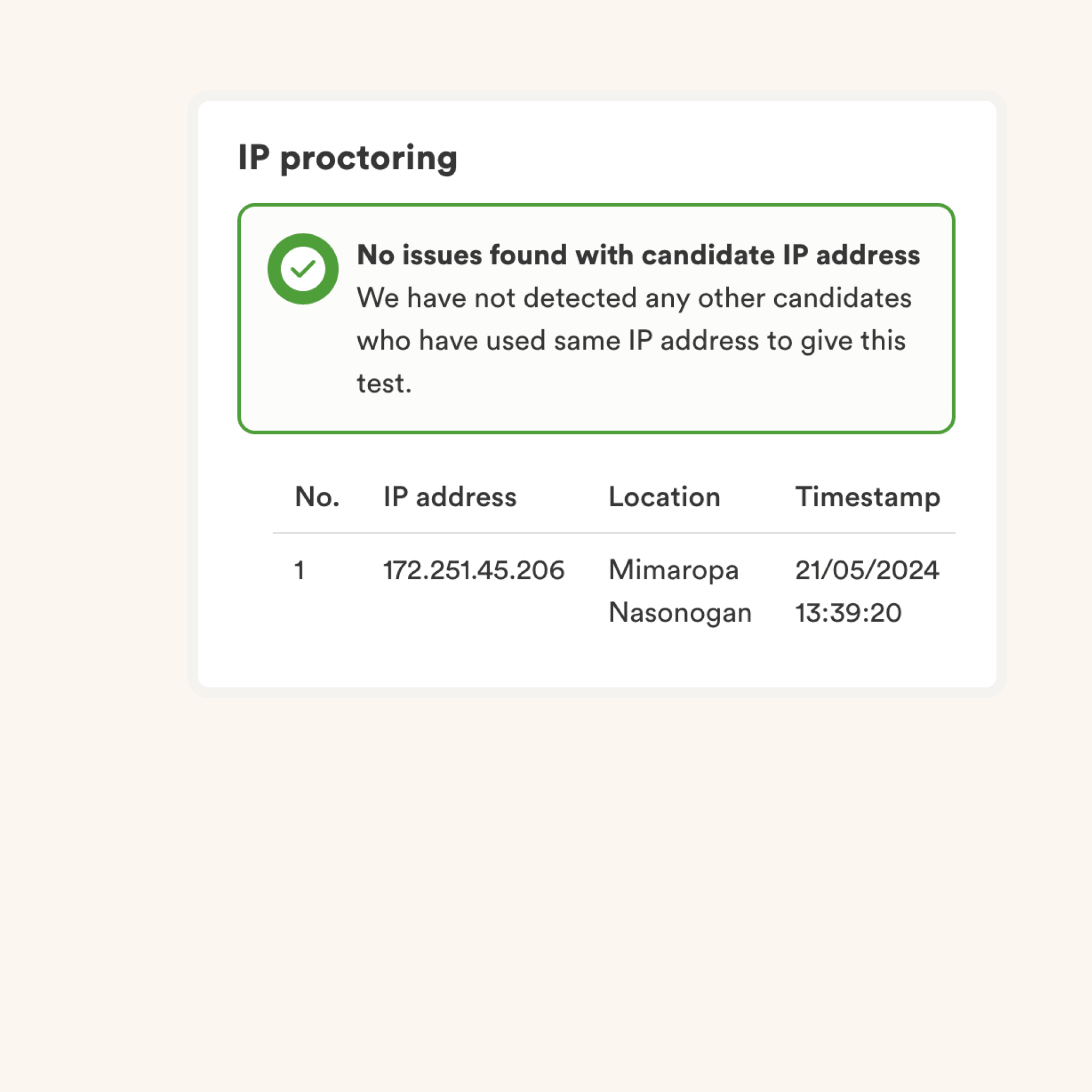
IP Proctoring

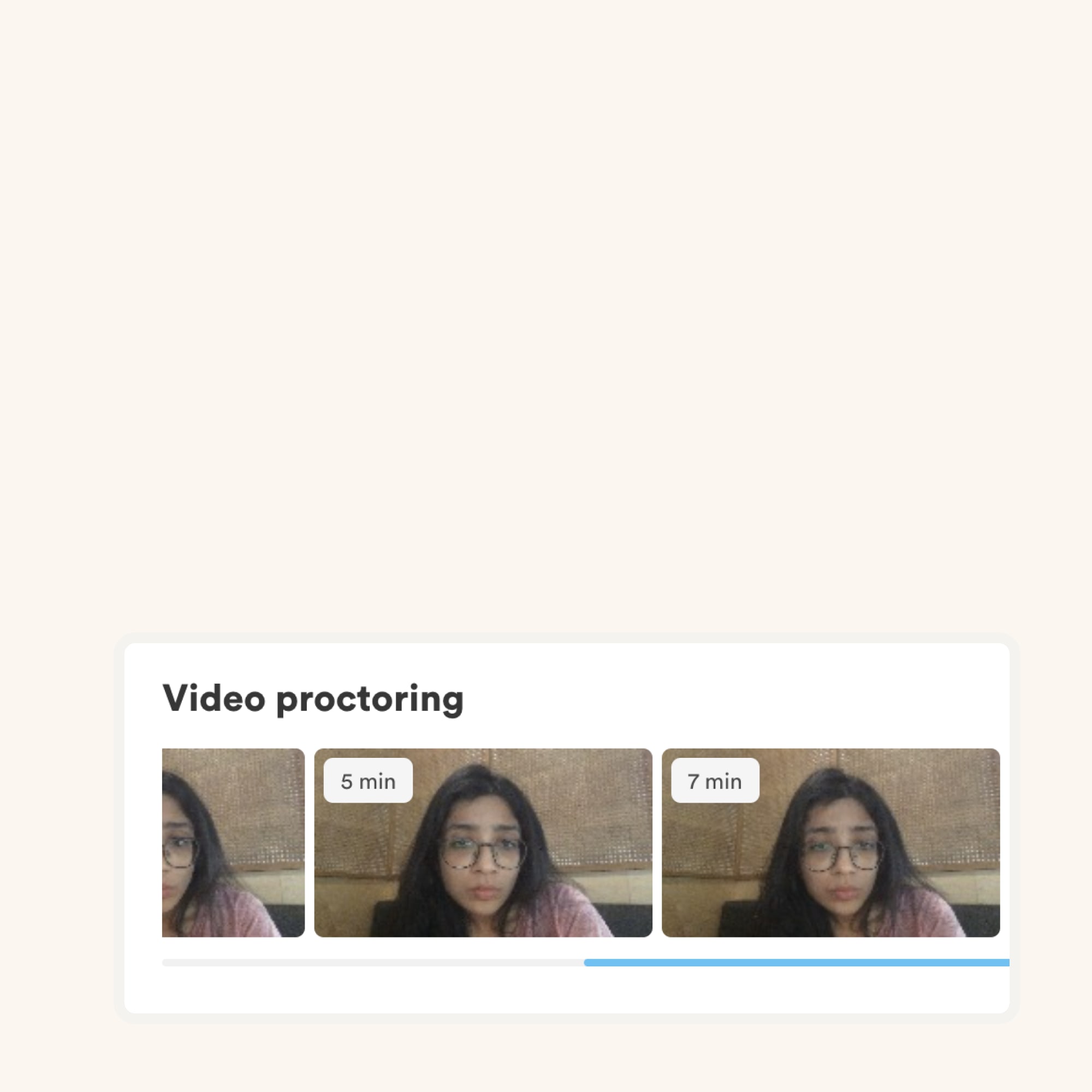
Webcam Proctoring

MCQ Questions

Coding Questions

Typing Questions

Personality Questions

Custom Questions

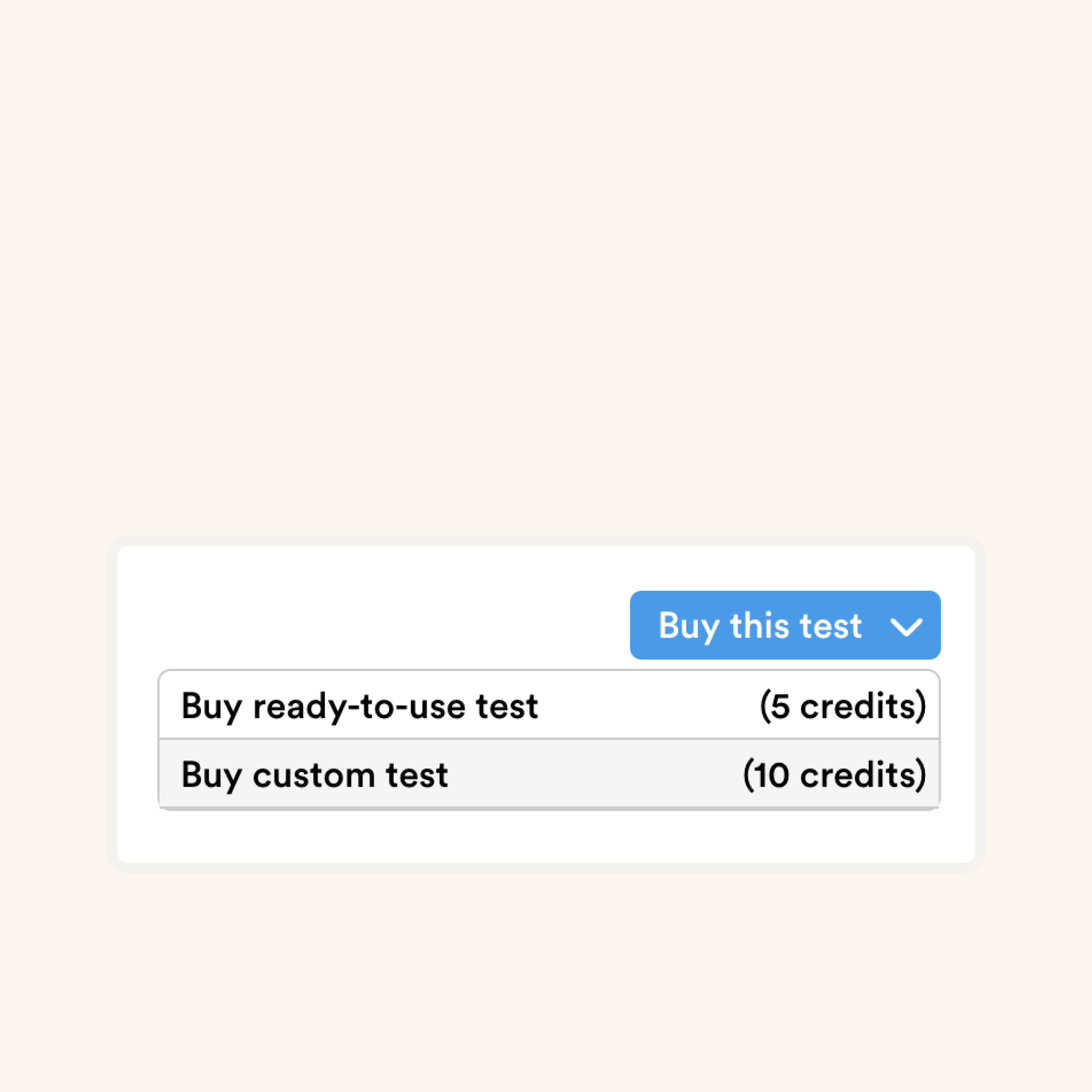
Ready-to-use Tests

Custom Tests

Custom Branding

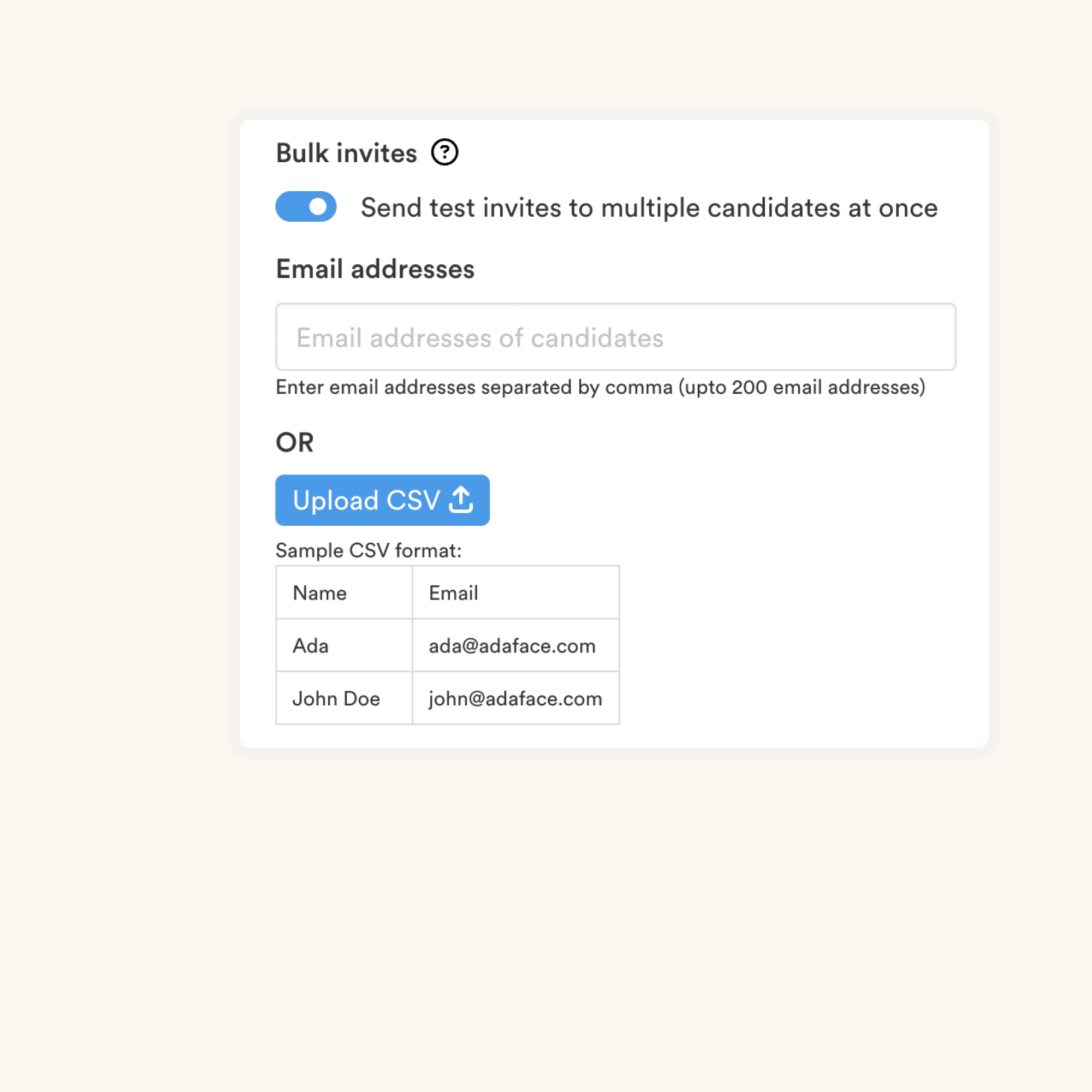
Bulk Invites

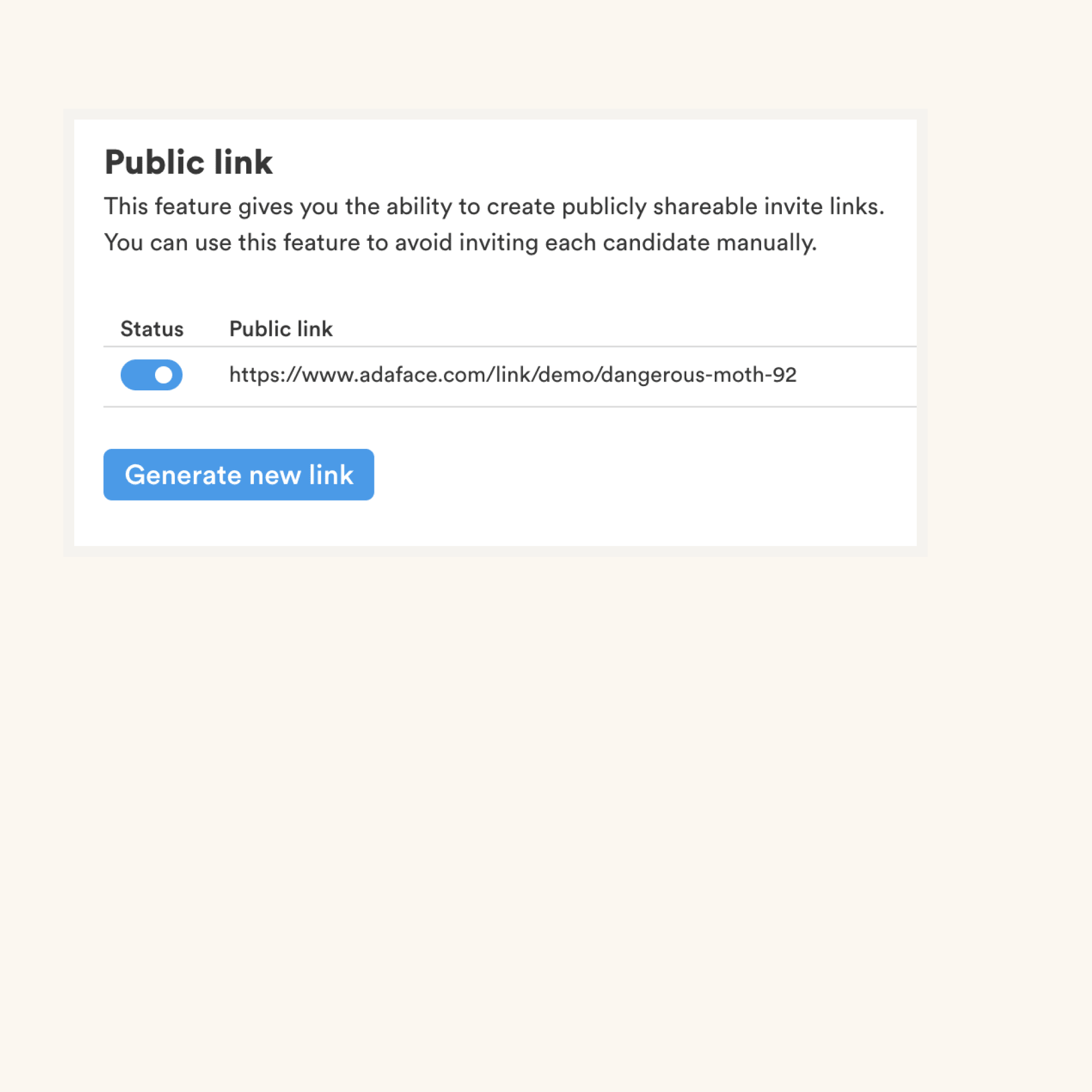
Public Links

ATS Integrations

Multiple Question Sets

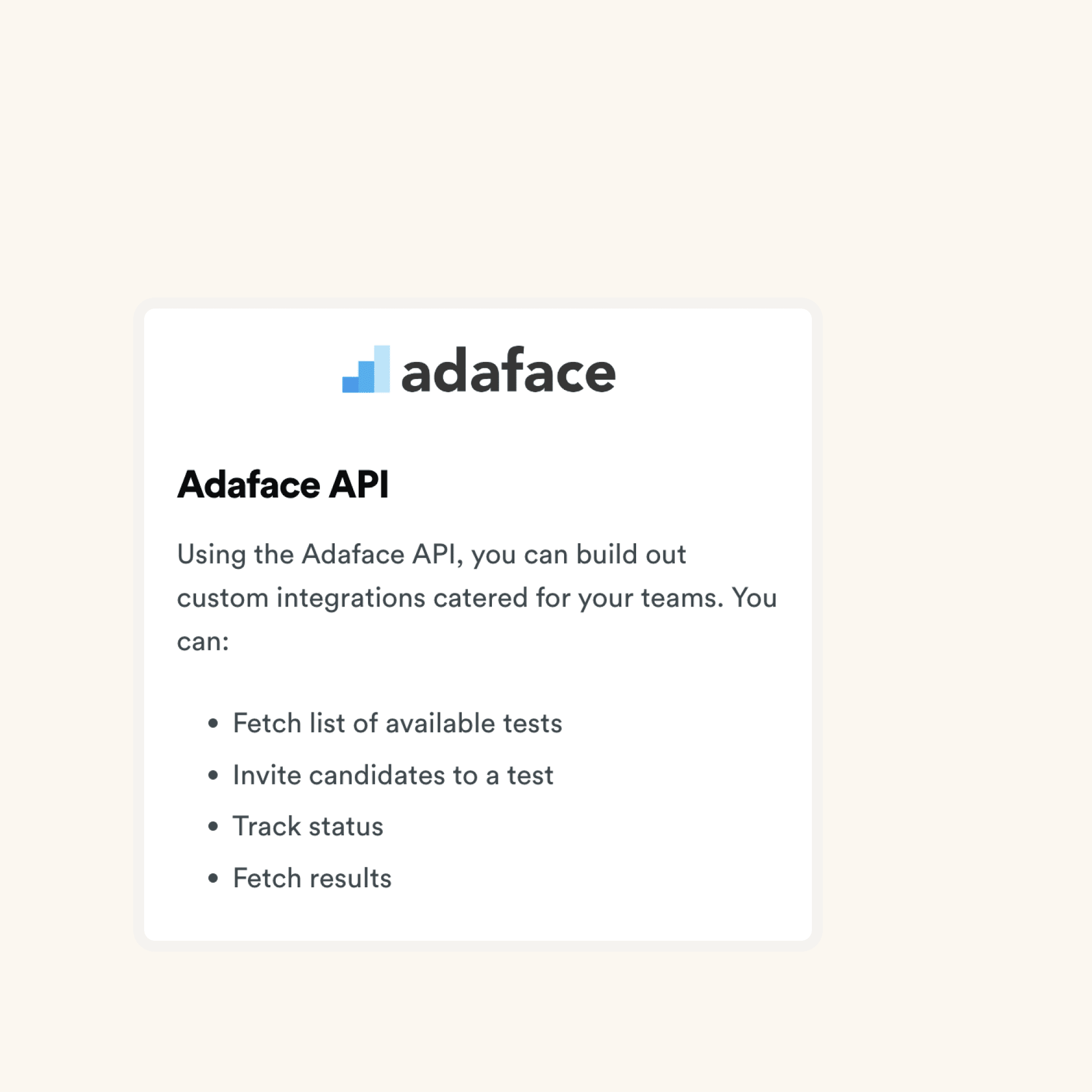
Custom API integrations

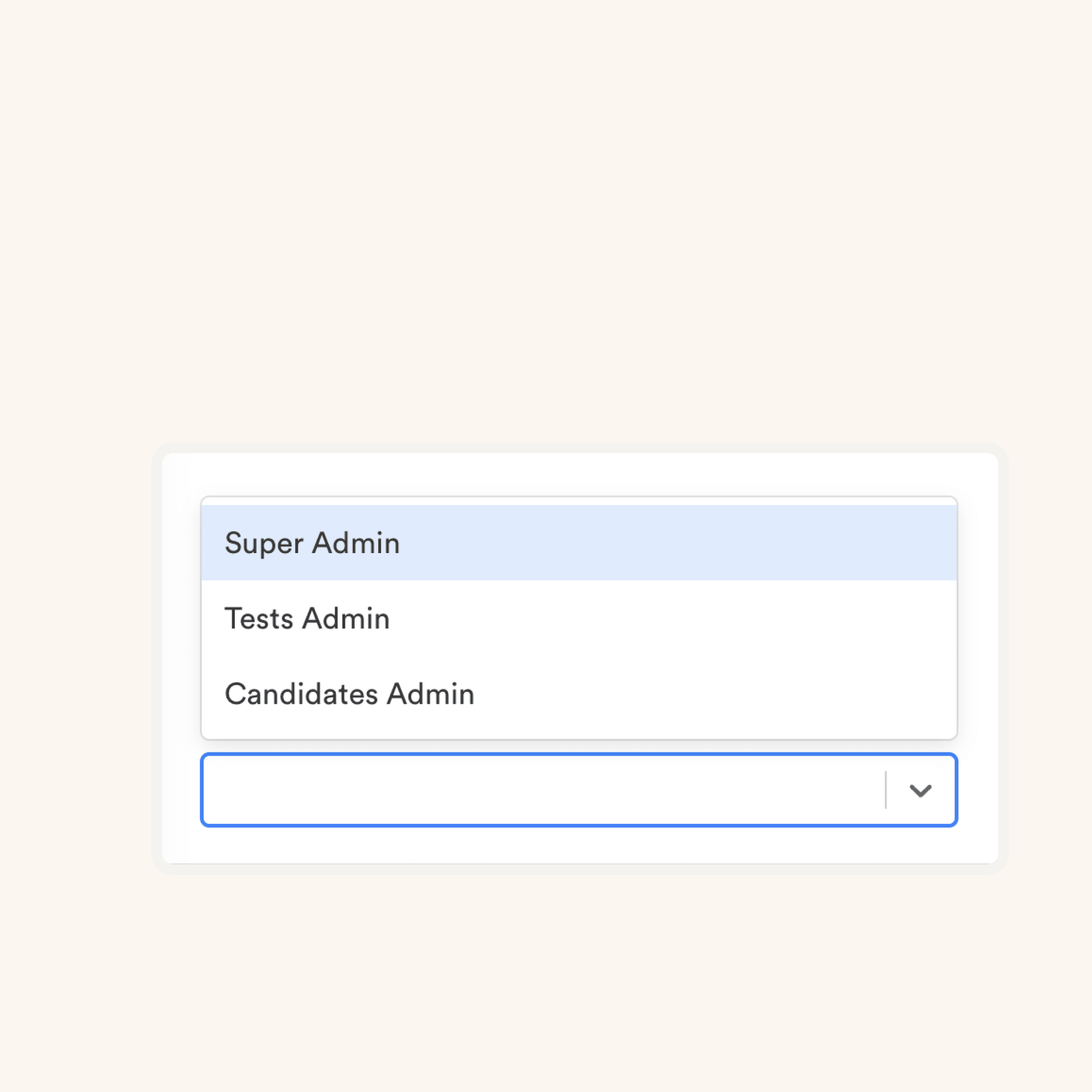
Role-based Access

Priority Support

GDPR Compliance

Screen candidates in 3 easy steps

Pick a test from over 500+ tests

The Adaface test library features 500+ tests to enable you to test candidates on all popular skills- everything from programming languages, software frameworks, devops, logical reasoning, abstract reasoning, critical thinking, fluid intelligence, content marketing, talent acquisition, customer service, accounting, product management, sales and more.

Invite your candidates with 2-clicks

Make informed hiring decisions

Get started for free
Preview questions

Have questions about the Applied AI Scientist Hiring Test?

What is Applied AI Scientist Test?

The Applied AI Scientist Test evaluates candidates on skills such as Machine Learning, Generative AI, Deep Learning, and Python Coding. Recruiters use this test to identify candidates with the ability to implement advanced AI solutions effectively.

Can I combine Applied AI Scientist Test with Natural Language Processing questions?

Yes, recruiters can request a custom test combining the Applied AI Scientist Test with Natural Language Processing questions. Refer to our Natural Language Processing Test for more details.

What topics are evaluated in the Applied AI Scientist Test?

This test covers topics like Prompt Engineering, Generative AI, Machine Learning, Deep Learning, AI Ethics and Bias, Data Preprocessing, and AI Deployment, making it ideal for assessing candidates for senior roles.

How to use the Applied AI Scientist Test in my hiring process?

Use this test as a pre-screening tool to evaluate candidates early in your recruitment process. Include a test link in job posts or send direct invites via email for seamless candidate assessment.

What are the main AI-related tests?

Explore our range of AI-related tests including AI Model Designer Test, AI Deployment Strategist Test, and AI Product Manager Test for comprehensive candidate evaluation.

Can I combine multiple skills into one custom assessment?

Yes, absolutely. Custom assessments are set up based on your job description, and will include questions on all must-have skills you specify. Here's a quick guide on how you can request a custom test.

Do you have any anti-cheating or proctoring features in place?

We have the following anti-cheating features in place:

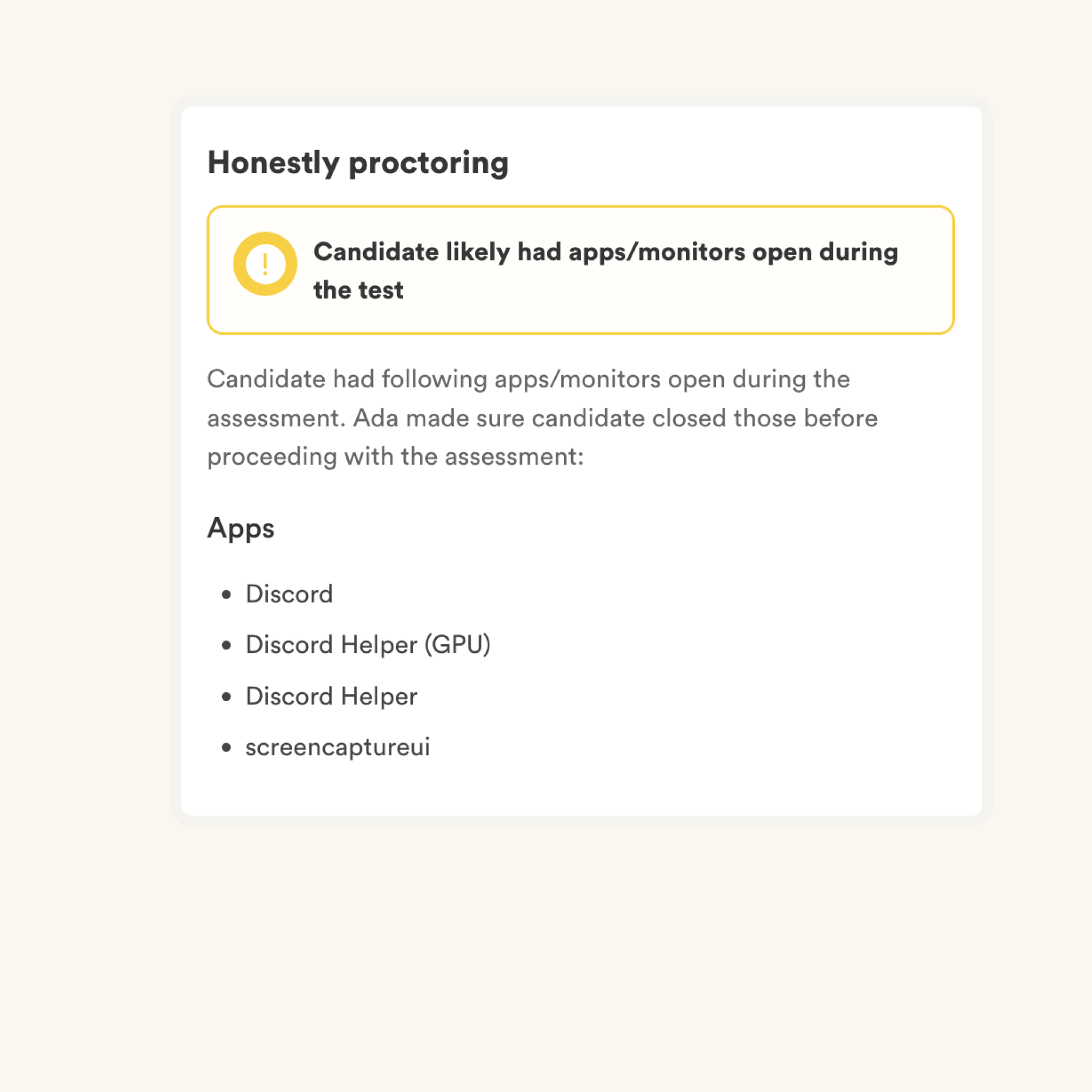
  • Hidden AI Tools Detection with Honestly
  • Non-googleable questions
  • IP proctoring
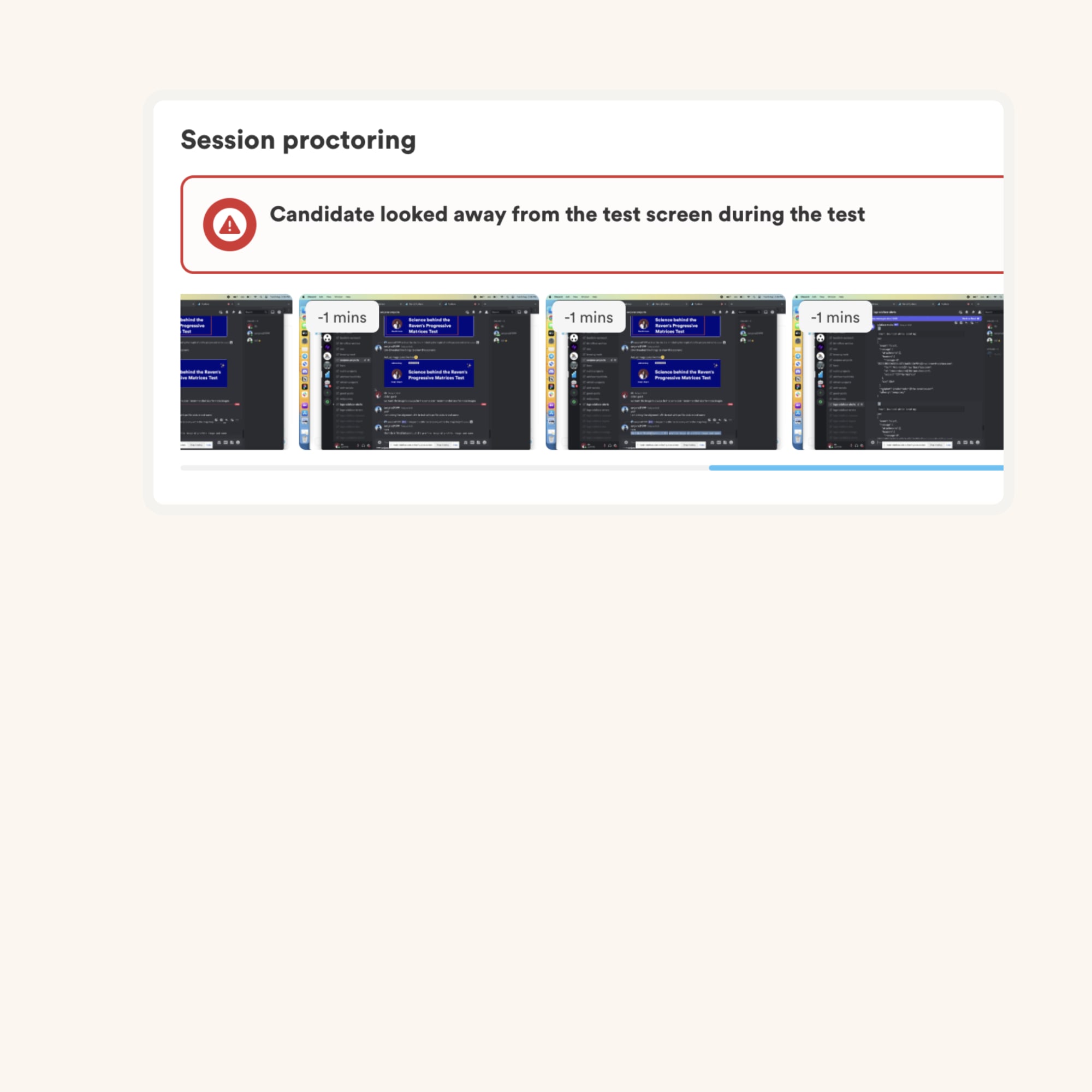
  • Screen proctoring
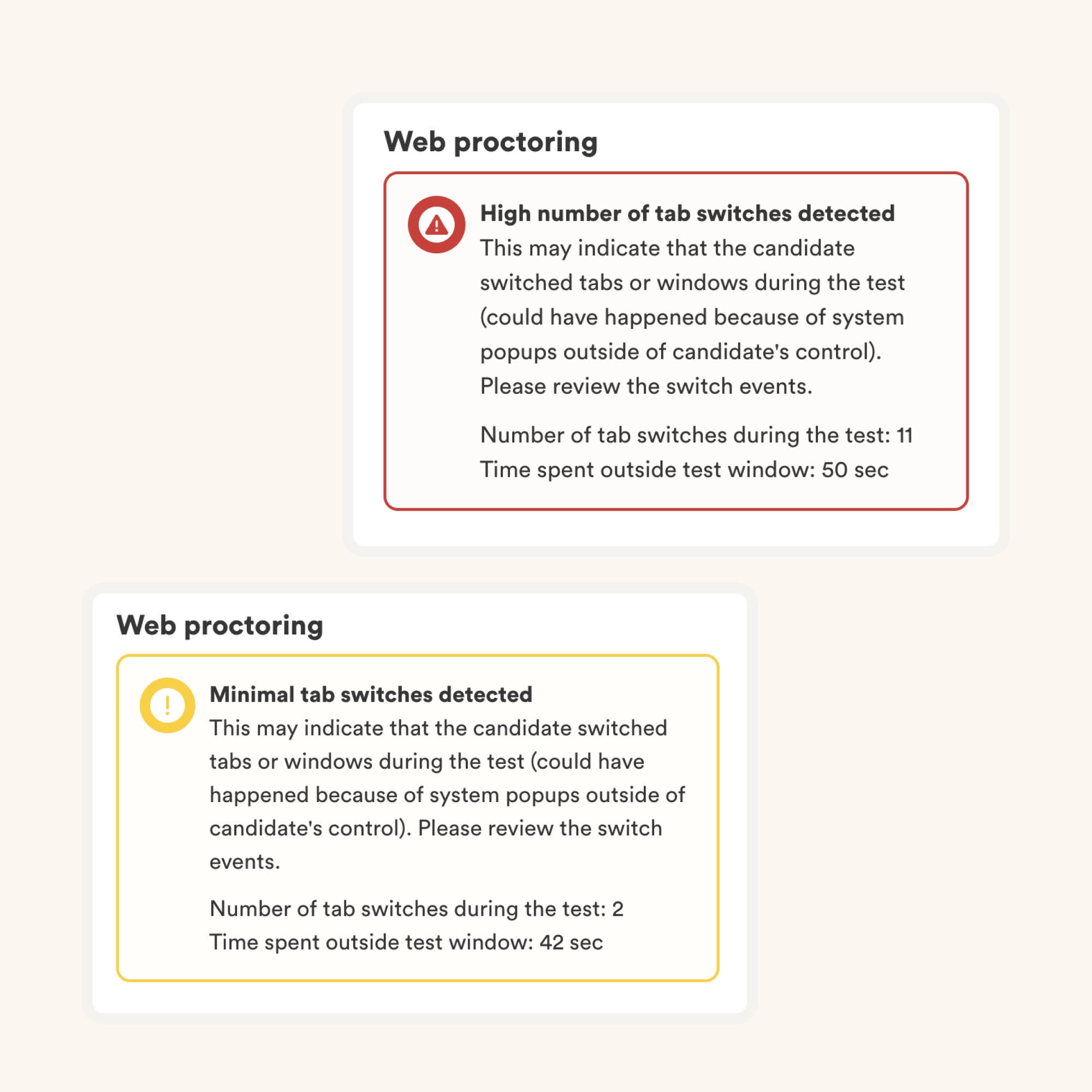
  • Web proctoring
  • Webcam proctoring
  • Plagiarism detection
  • Secure browser
  • Copy paste protection

Read more about the proctoring features.

How do I interpret test scores?

The primary thing to keep in mind is that an assessment is an elimination tool, not a selection tool. A skills assessment is optimized to help you eliminate candidates who are not technically qualified for the role, it is not optimized to help you find the best candidate for the role. So the ideal way to use an assessment is to decide a threshold score (typically 55%, we help you benchmark) and invite all candidates who score above the threshold for the next rounds of interview.

What experience level can I use this test for?

Each Adaface assessment is customized to your job description/ ideal candidate persona (our subject matter experts will pick the right questions for your assessment from our library of 10000+ questions). This assessment can be customized for any experience level.

Does every candidate get the same questions?

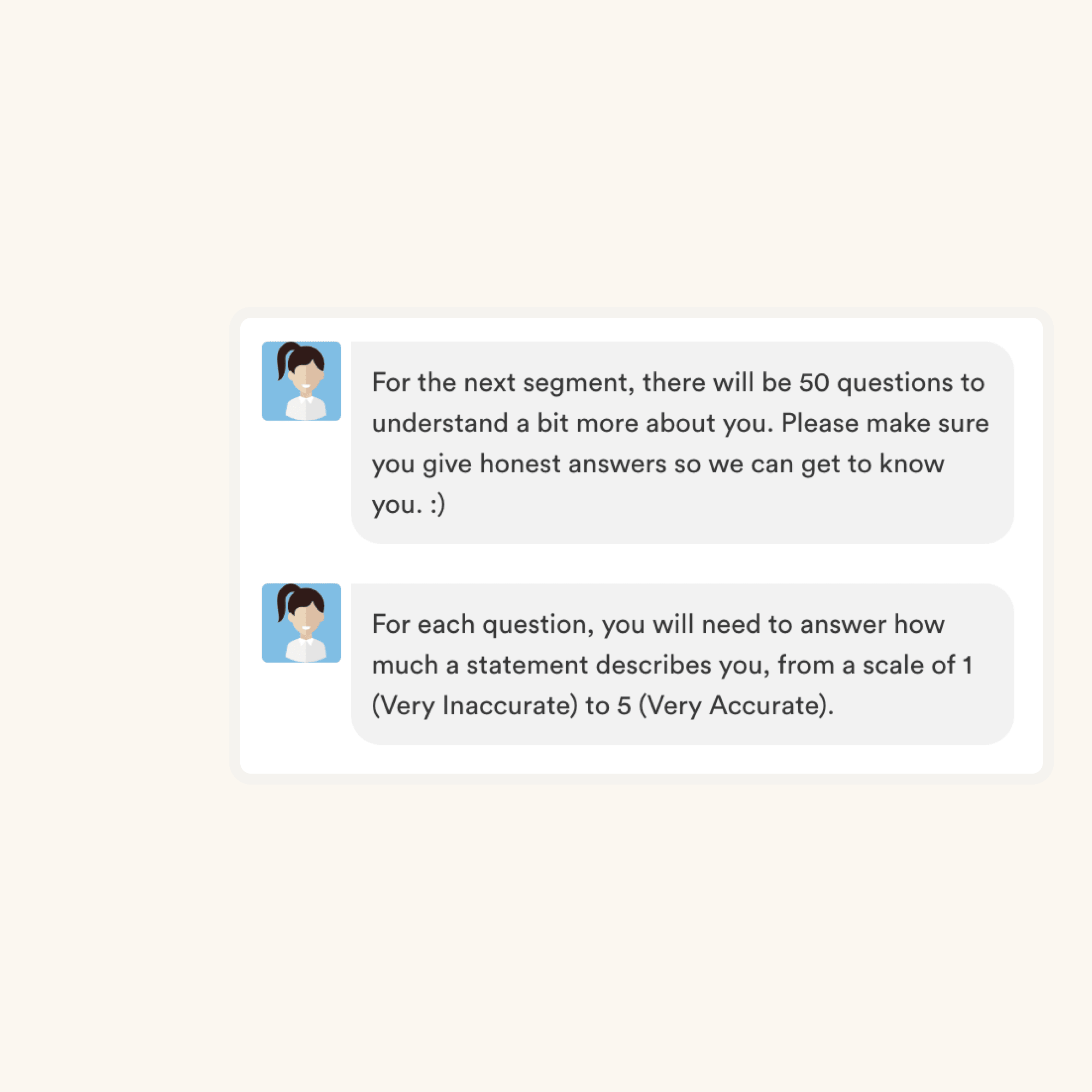
Yes, it makes it much easier for you to compare candidates. Options for MCQ questions and the order of questions are randomized. We have anti-cheating/ proctoring features in place. In our enterprise plan, we also have the option to create multiple versions of the same assessment with questions of similar difficulty levels.

I'm a candidate. Can I try a practice test?

No. Unfortunately, we do not support practice tests at the moment. However, you can use our sample questions for practice.

What is the cost of using this test?

You can check out our pricing plans.

Can I get a free trial?

Yes, you can sign up for free and preview this test.

I just moved to a paid plan. How can I request a custom assessment?

Here is a quick guide on how to request a custom assessment on Adaface.

View sample scorecard


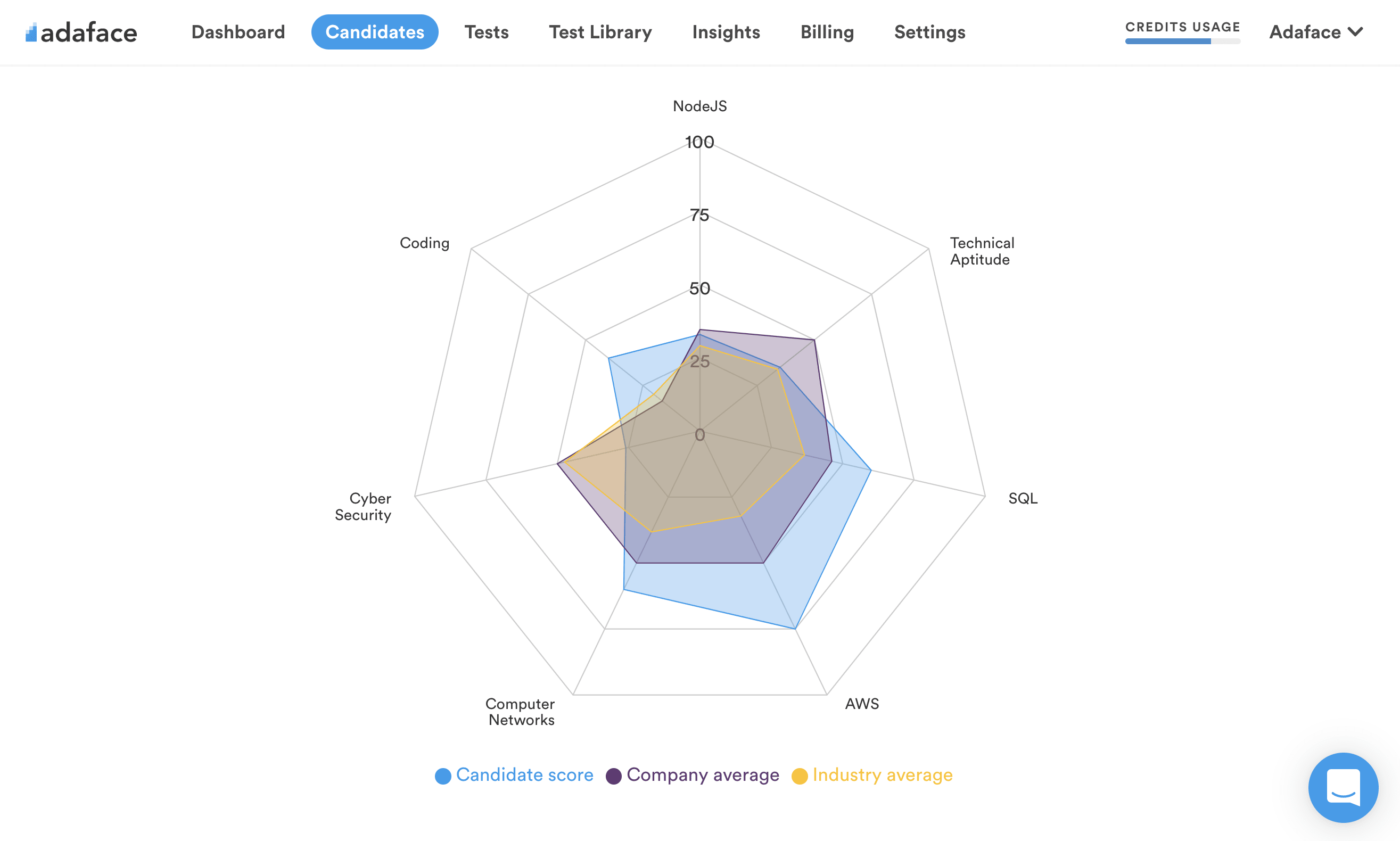
Along with scorecards that report the performance of the candidate in detail, you also receive a comparative analysis against the company average and industry standards.
View sample scorecard
customers across world
Join 1200+ companies in 80+ countries.
Try the most candidate friendly skills assessment tool today.
g2 badges
Ready to use the Adaface Applied AI Scientist Test?
logo
40 min tests.
No trick questions.
Accurate shortlisting.
Terms Privacy Trust Guide
ada
Ada
● Online
Previous
Score: NA
Next
✖️