Search test library by skills or roles
⌘ K

Perl (Coding): Data Structures - Arrays Test

The Perl (Coding): Data Structures - Arrays Test evaluates a candidate's ability to work with arrays in Perl. Through a combination of scenario-based MCQs and coding questions, it assesses skills such as array manipulation, sorting, searching, and various array functions. This test is ideal for roles requiring expertise in Perl and array data structures.

Covered skills:

  • Array Initialization in Perl
  • Array Manipulation in Perl
  • Array Iteration in Perl
  • Array Sorting in Perl
  • Array Merging in Perl
  • Array Slicing in Perl
  • Multidimensional Arrays in Perl
  • Array Functions in Perl
  • Array References in Perl
  • Array Context in Perl
  • Array Performance in Perl
  • Array Segmentation in Perl
Get started for free
Preview questions

About the Perl (Coding): Data Structures - Arrays Assessment Test


The Perl (Coding): Data Structures - Arrays Test helps recruiters and hiring managers identify qualified candidates from a pool of resumes, and helps in taking objective hiring decisions. It reduces the administrative overhead of interviewing too many candidates and saves time by filtering out unqualified candidates at the first step of the hiring process.

The test screens for the following skills that hiring managers look for in candidates:

  • Able to effectively initialize arrays in Perl scripts.
  • Capable of performing various manipulations on arrays.
  • Proficient in iterating over arrays using Perl loops.
  • Skilled in sorting arrays efficiently in Perl.
  • Adept at merging multiple arrays into a single one.
  • Competent in slicing arrays to extract subarrays.
  • Efficiently handle multidimensional arrays in Perl.
  • Utilize array functions to manipulate and manage arrays.
  • Understand and use array references in Perl programs.
  • Apply understanding of array context in Perl operations.
  • Optimize array performance for large data sets.
  • Segment arrays into meaningful parts for specific tasks.

1200+ customers in 80 countries


Use Adaface tests trusted by recruitment teams globally. Adaface skill assessments measure on-the-job skills of candidates, providing employers with an accurate tool for screening potential hires.

customers in 75 countries
Get started for free
Preview questions

Non-googleable questions


We have a very high focus on the quality of questions that test for on-the-job skills. Every question is non-googleable and we have a very high bar for the level of subject matter experts we onboard to create these questions. We have crawlers to check if any of the questions are leaked online. If/ when a question gets leaked, we get an alert. We change the question for you & let you know.

How we design questions

These are just a small sample from our library of 15,000+ questions. The actual questions on this Perl (Coding): Data Structures - Arrays Test will be non-googleable.

🧐 Question

Hard

Signal Network
Solve
A secret communication network is built between cities. Each city sends out signals to others, but signals can only flow forward from a city with a lower signal strength to one with a higher signal strength.
You are given:
1. An array "signals" where "signals[i]" represents the strength of city 'i'.
2. A list of "connections" (edges), where each connection [u, v] means a directed link from city 'u' to city 'v'.
You must find the longest possible chain of cities where:
1. Each city is connected to the next (via directed edges).
2. The signal strengths are strictly increasing along the chain.
Input:
1. An integer n → number of cities
2. An array signals of length n
3. An array of edges (directed connections between cities)

Output: Print the length of the longest increasing-signal chain.
Example:

Input:
n = 6
signals = [2, 4, 3, 5, 1, 6]
edges = [[0,1], [0,2], [2,3], [1,3], [3,5], [4,0]]

Output:
4

Explanation:
Optimal path: 4 → 0 → 2 → 3 → 5
Signal strengths (strictly increasing) for the path: 1 → 2 → 3 → 5 → 6
Length: 5

Medium

Visitors Count
Strings
Logic
String Parsing
Character Counting
Solve
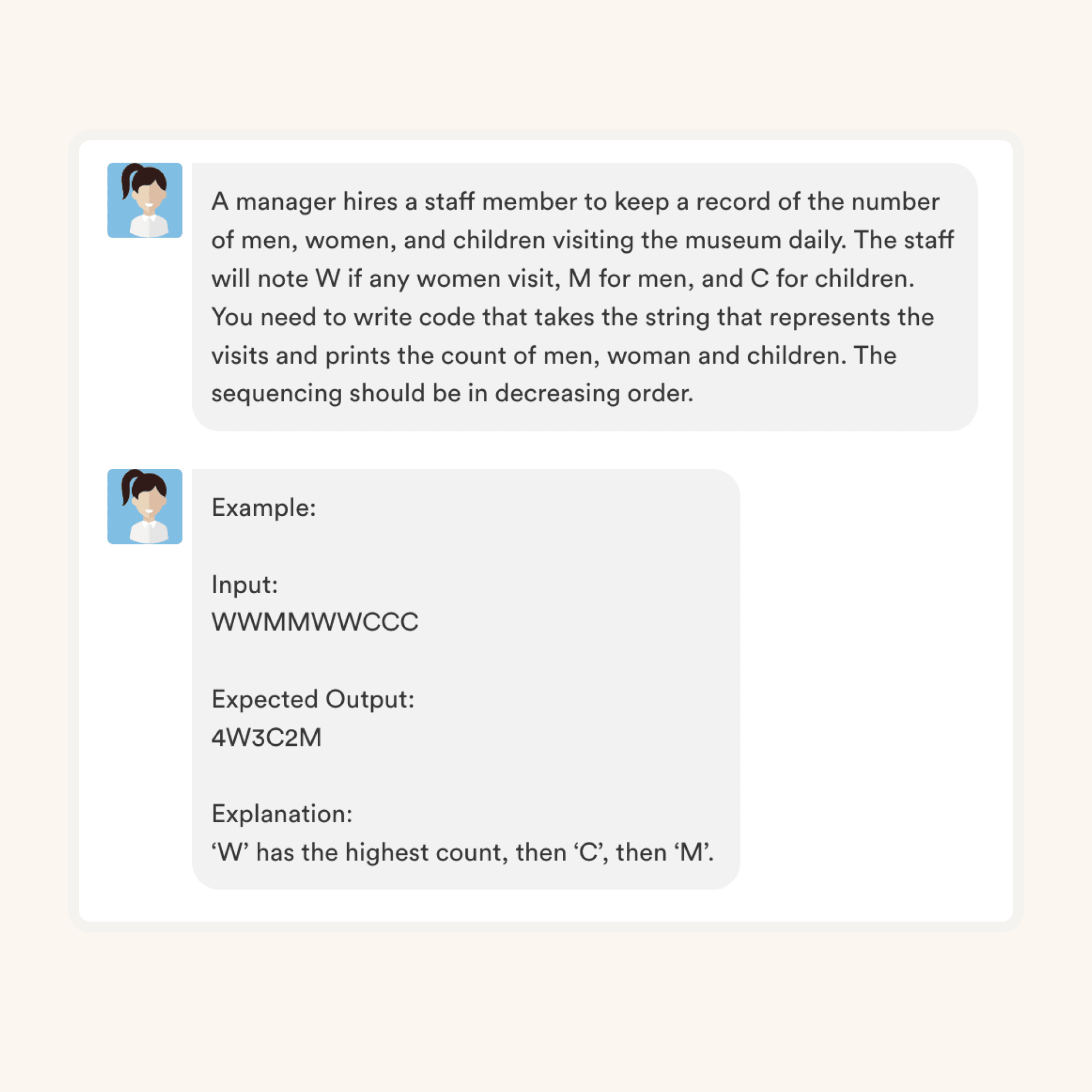
A manager hires a staff member to keep a record of the number of men, women, and children visiting the museum daily. The staff will note W if any women visit, M for men, and C for children. You need to write code that takes the string that represents the visits and prints the count of men, woman and children. The sequencing should be in decreasing order. 
Example:

Input:
WWMMWWCCC

Expected Output: 
4W3C2M

Explanation: 
‘W’ has the highest count, then ‘C’, then ‘M’. 
⚠️⚠️⚠️ Note:
- The input is already parsed and passed to a function.
- You need to "print" the final result (not return it) to pass the test cases.
- If the input is- “MMW”, then the expected output is "2M1W" since there is no ‘C’.
- If any of them have the same count, the output should follow this order - M, W, C.
🧐 Question 🔧 Skill

Hard

Signal Network

30 mins

Coding
Solve

Medium

Visitors Count
Strings
Logic
String Parsing
Character Counting

30 mins

Coding
Solve
🧐 Question 🔧 Skill 💪 Difficulty ⌛ Time
Signal Network
Coding
Hard 30 mins Solve
Visitors Count
Strings
Logic
String Parsing
Character Counting
Coding
Medium 30 mins Solve
Get started for free
Preview questions
love bonito

With Adaface, we were able to optimise our initial screening process by upwards of 75%, freeing up precious time for both hiring managers and our talent acquisition team alike!

Brandon Lee, Head of People, Love, Bonito

Brandon
love bonito

It's very easy to share assessments with candidates and for candidates to use. We get good feedback from candidates about completing the tests. Adaface are very responsive and friendly to deal with.

Kirsty Wood, Human Resources, WillyWeather

Brandon
love bonito

We were able to close 106 positions in a record time of 45 days! Adaface enables us to conduct aptitude and psychometric assessments seamlessly. My hiring managers have never been happier with the quality of candidates shortlisted.

Amit Kataria, CHRO, Hanu

Brandon
love bonito

We evaluated several of their competitors and found Adaface to be the most compelling. Great library of questions that are designed to test for fit rather than memorization of algorithms.

Swayam Narain, CTO, Affable

Brandon

Why you should use Pre-employment Perl (Coding): Data Structures - Arrays Test?

The Perl (Coding): Data Structures - Arrays Test makes use of scenario-based questions to test for on-the-job skills as opposed to theoretical knowledge, ensuring that candidates who do well on this screening test have the relavant skills. The questions are designed to covered following on-the-job aspects:

  • Initializing arrays with literals and variables.
  • Manipulating array elements using push and pop.
  • Iterating over arrays using loops.
  • Sorting arrays with built-in functions.
  • Merging multiple arrays into one.
  • Slicing arrays to extract subsets.
  • Working with multidimensional arrays.
  • Using array functions like map and grep.
  • Understanding array references.
  • Working with arrays in scalar context.

Once the test is sent to a candidate, the candidate receives a link in email to take the test. For each candidate, you will receive a detailed report with skills breakdown and benchmarks to shortlist the top candidates from your pool.

What topics are covered in the Perl (Coding): Data Structures - Arrays Test?

Array Initialization in Perl: Array initialization in Perl involves declaring and assigning data to an array at the time of its creation. Understanding this concept is crucial as it forms the basis for working with arrays, allowing for efficient data storage and retrieval in ordered lists.

Array Manipulation in Perl: Array manipulation encompasses operations such as adding, removing, and updating elements within an array. Proficiency in these operations enhances the ability to dynamically manage data, which is essential for performing complex computations and modifying datasets on the fly.

Array Iteration in Perl: This skill pertains to traversing through an array using loops or other iterative constructs. Mastering array iteration is indispensable for accessing and processing individual elements or subsets of an array, enabling efficient data handling and transformations.

Array Sorting in Perl: Array sorting involves arranging array elements in a specific order, such as ascending or descending. This capability is vital for organizing data, facilitating faster searches, and ensuring data is processed in a desired sequence.

Array Merging in Perl: Merging arrays refers to combining multiple arrays into a single one. This operation is fundamental when consolidating data from various sources, helping in seamless data integration and simplification of complex dataset handling.

Array Slicing in Perl: Array slicing enables accessing a subset of elements from an array. Understanding this concept allows for efficient data segmentation and extraction, which is critical for focusing on and processing relevant portions of data.

Multidimensional Arrays in Perl: Multidimensional arrays are arrays of arrays, used to represent complex data structures like tables or matrices. Proficiency in this area is essential for handling and transforming multi-layered data structures effectively.

Array Functions in Perl: Array functions in Perl provide powerful tools for performing operations such as searching, modifying, and filtering array elements. Familiarity with these functions greatly enhances the ability to perform sophisticated data manipulations with ease.

Array References in Perl: Array references allow arrays to be treated as scalar variables, making it easier to pass arrays to functions or store them in other data structures. This concept is vital for efficient memory usage and for enabling complex data structure handling.

Array Context in Perl: Understanding array context is crucial for predicting how expressions involving arrays will be evaluated. Mastery in this area ensures that operations return expected results, which is key to maintaining code reliability and effectiveness.

Array Performance in Perl: Array performance involves optimizing operations to handle large datasets efficiently. This skill is important as it directly impacts the speed and responsiveness of data processing, critical in applications with performance constraints.

Array Segmentation in Perl: Array segmentation deals with dividing arrays into segments for focused processing. This technique is useful for parallel processing, load distribution, and handling large datasets more manageably.

Full list of covered topics

The actual topics of the questions in the final test will depend on your job description and requirements. However, here's a list of topics you can expect the questions for Perl (Coding): Data Structures - Arrays Test to be based on.

Array Initialization
Array Manipulation
Array Iteration
Array Sorting
Array Merging
Array Slicing
Multidimensional Arrays
Array Functions
Array References
Array Context
Array Performance
Array Segmentation
Push Function
Pop Function
Shift Function
Unshift Function
Splice Function
Reverse Function
Sort Function
Map Function
Grep Function
For Loop
Foreach Loop
While Loop
Nested Arrays
Array Indexing
Array Length
Array Comparison
Slice Extraction
Range Operator
Join Function
Split Function
undef Function
Array Search
Array Filtering
Array Concatenation
Array Flattening
List Context
Scalar Context
Context Switching
Perl Modules
Data::Dumper
Tie Array
Read-only Arrays
Copy Arrays
Memory Management
Array Efficiency
Perl Built-in Functions

What roles can I use the Perl (Coding): Data Structures - Arrays Test for?

  • Software Developer
  • Back-End Developer
  • Full-Stack Developer
  • Data Engineer
  • System Administrator
  • DevOps Engineer
  • Scripting Specialist
  • Automation Engineer
  • Test Automation Engineer
  • Perl Developer

How is the Perl (Coding): Data Structures - Arrays Test customized for senior candidates?

For intermediate/ experienced candidates, we customize the assessment questions to include advanced topics and increase the difficulty level of the questions. This might include adding questions on topics like

  • Optimizing array operations for performance.
  • Segmenting arrays for efficient processing.
  • Employing advanced array manipulation techniques.
  • Utilizing custom sorting for complex arrays.
  • Handling nested data structures using arrays.
  • Implementing efficient array-search algorithms.
  • Leveraging Perl modules for array operations.
  • Managing arrays in high-performance applications.
  • Utilizing array references for complex tasks.
  • Applying array transformations for data analysis.

The coding question for experienced candidates will be of a higher difficulty level to evaluate more hands-on experience.

Try the most advanced candidate assessment platform

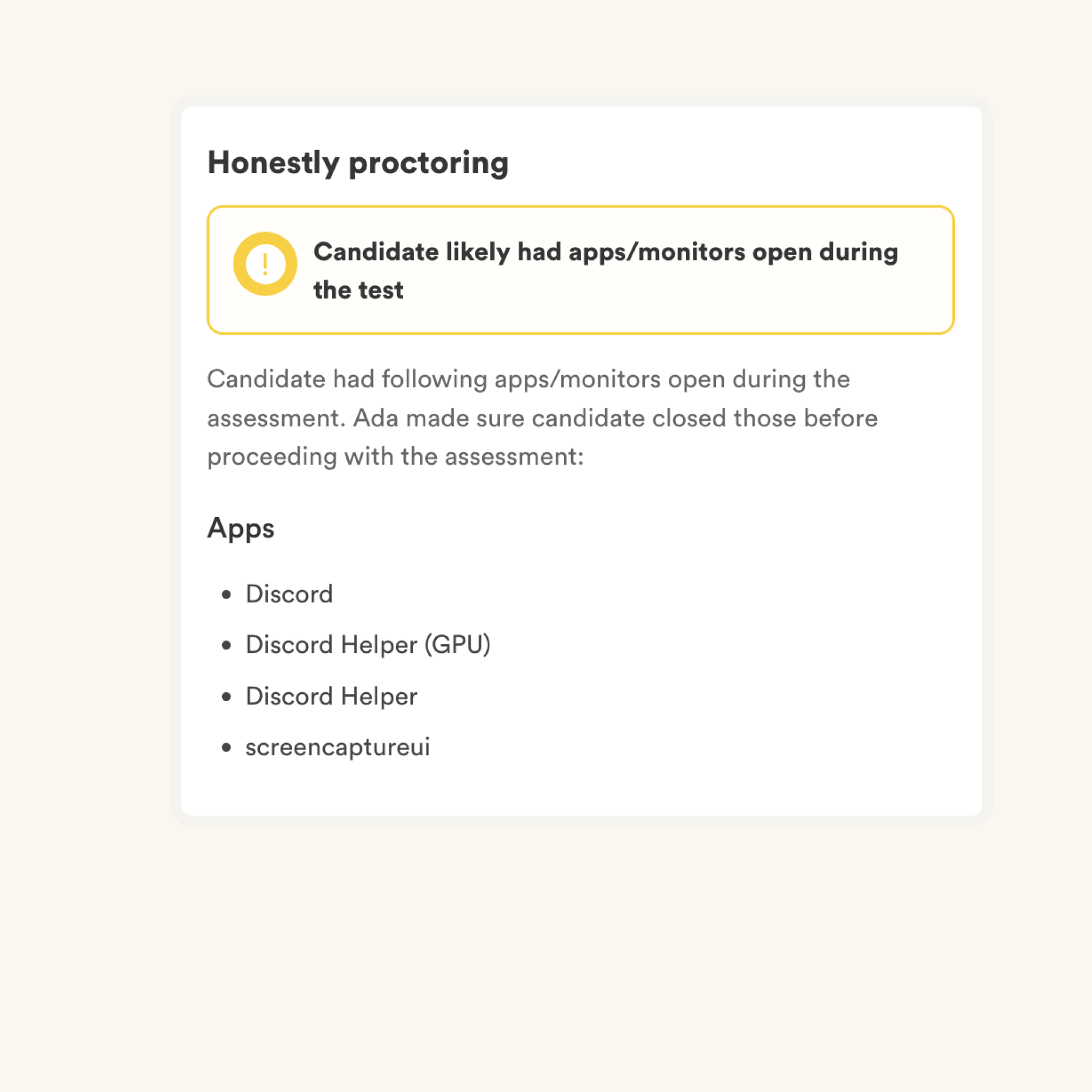
AI Cheating Detection with Honestly

ChatGPT Protection

Non-googleable Questions

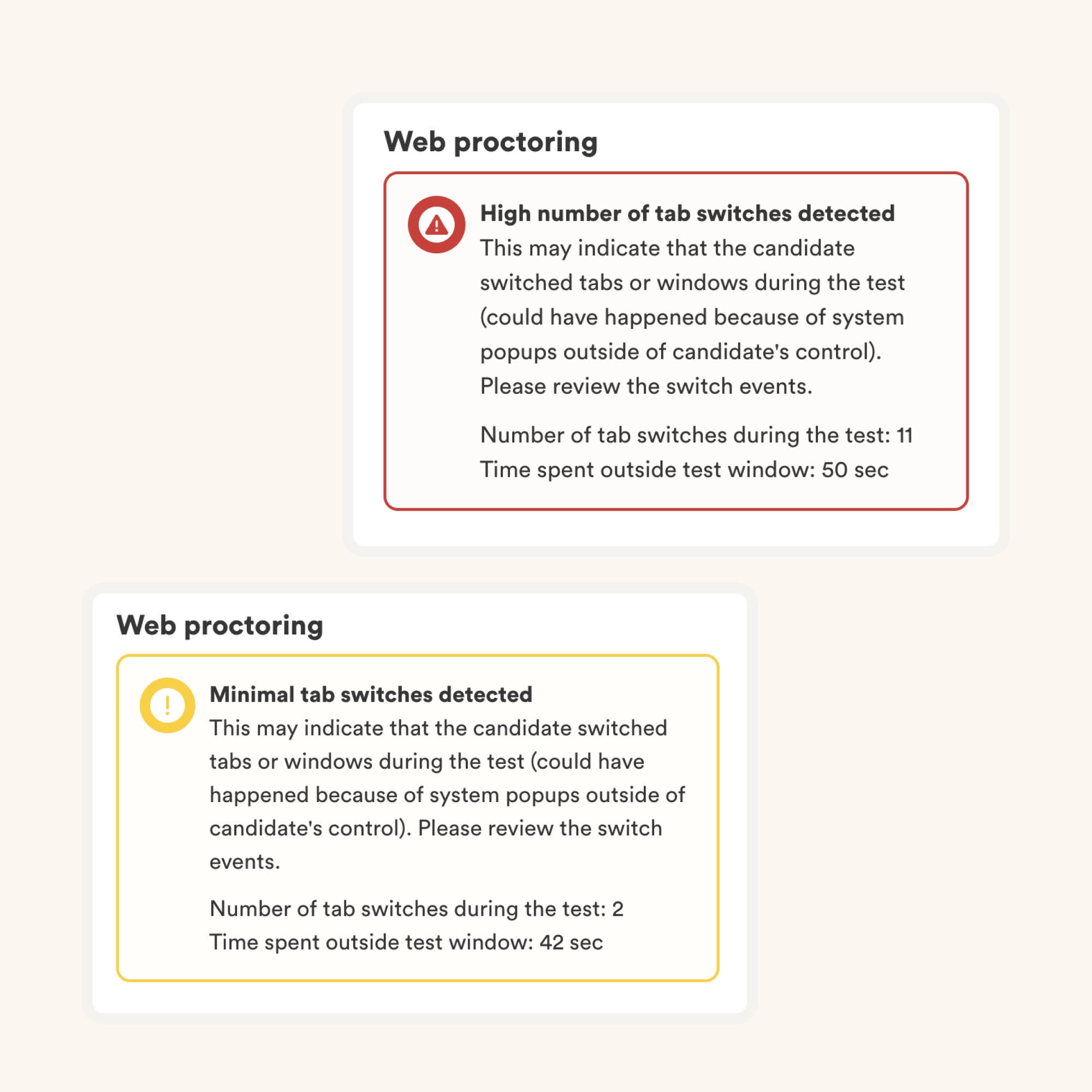
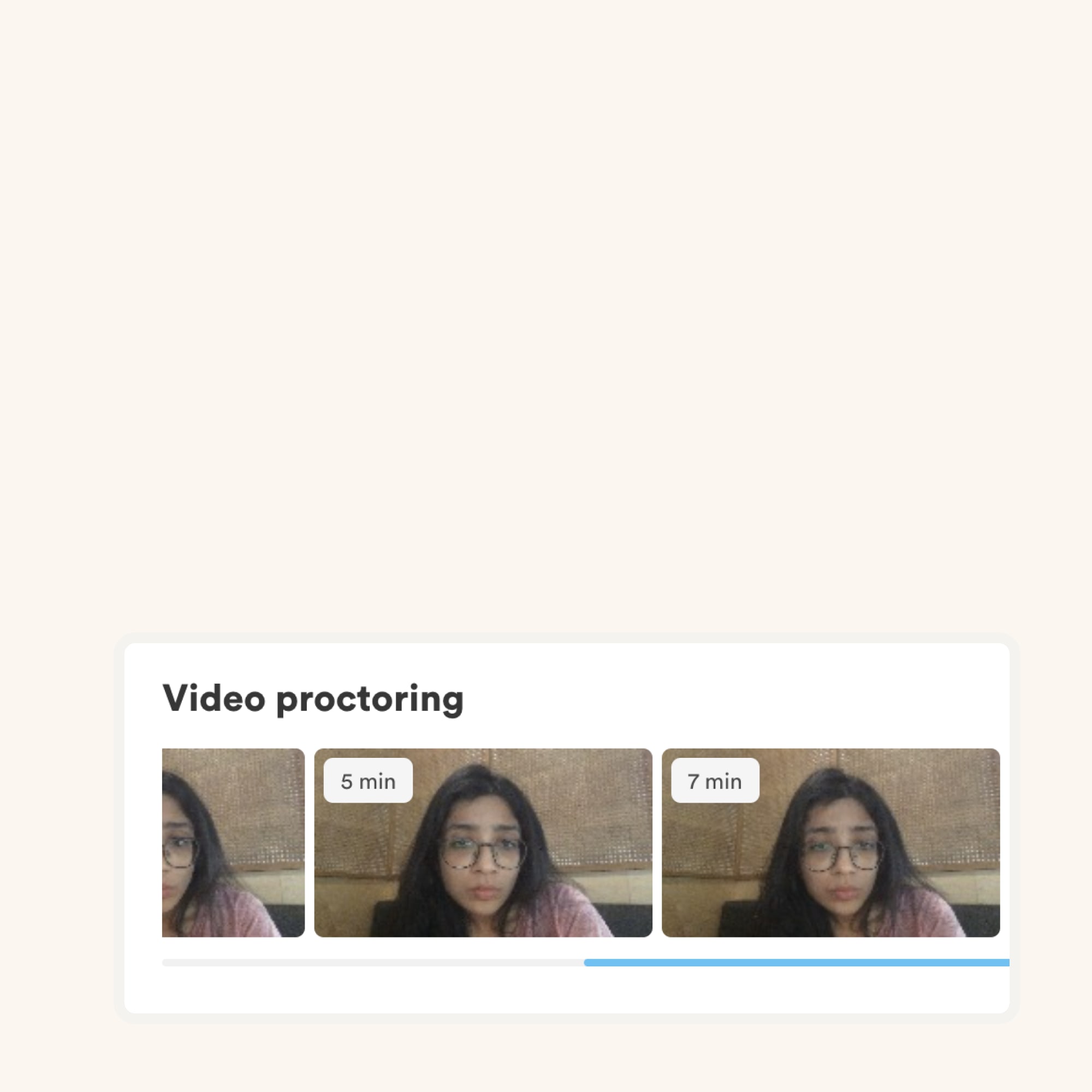
Web Proctoring

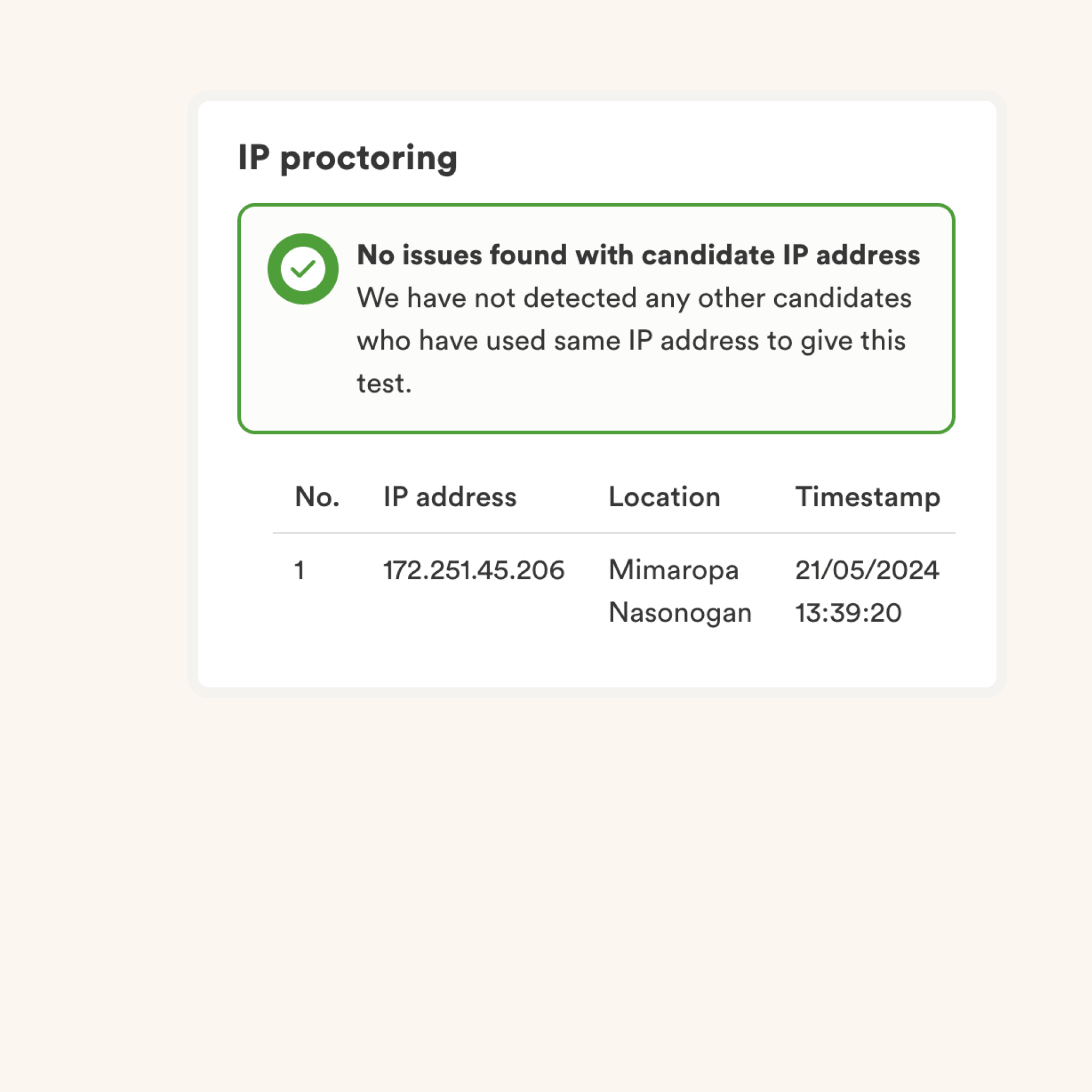
IP Proctoring

Webcam Proctoring

MCQ Questions

Coding Questions

Typing Questions

Personality Questions

Custom Questions

Ready-to-use Tests

Custom Tests

Custom Branding

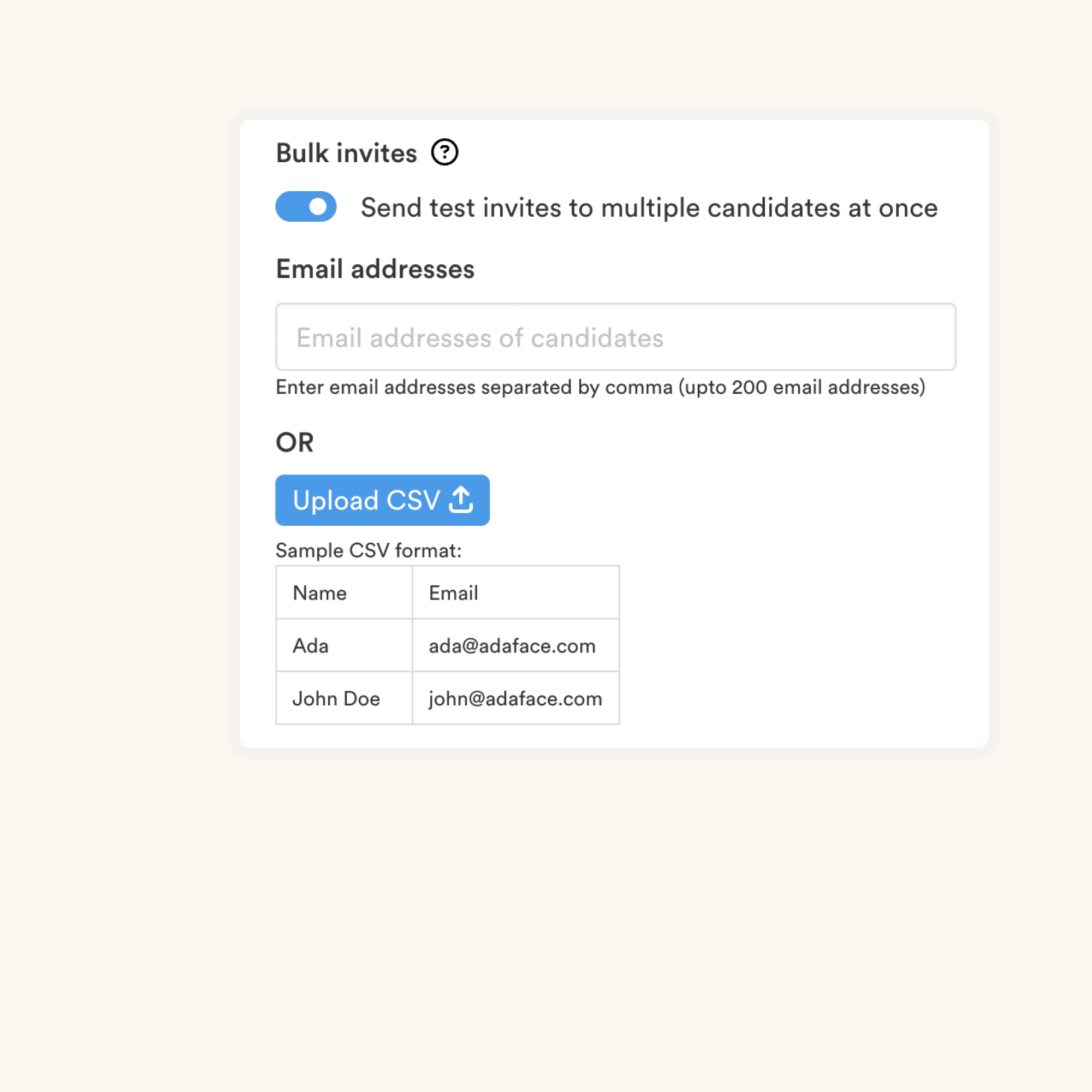
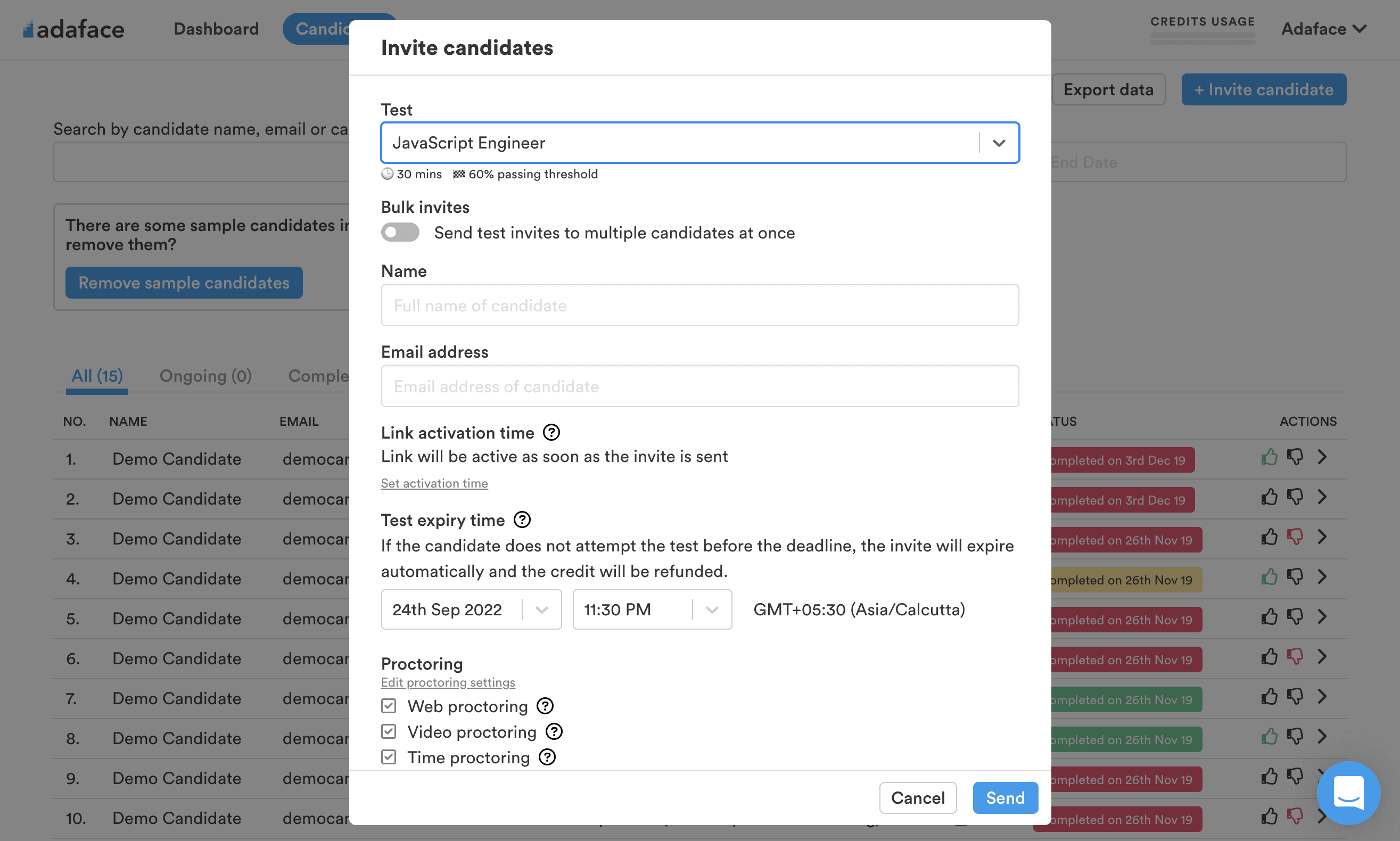
Bulk Invites

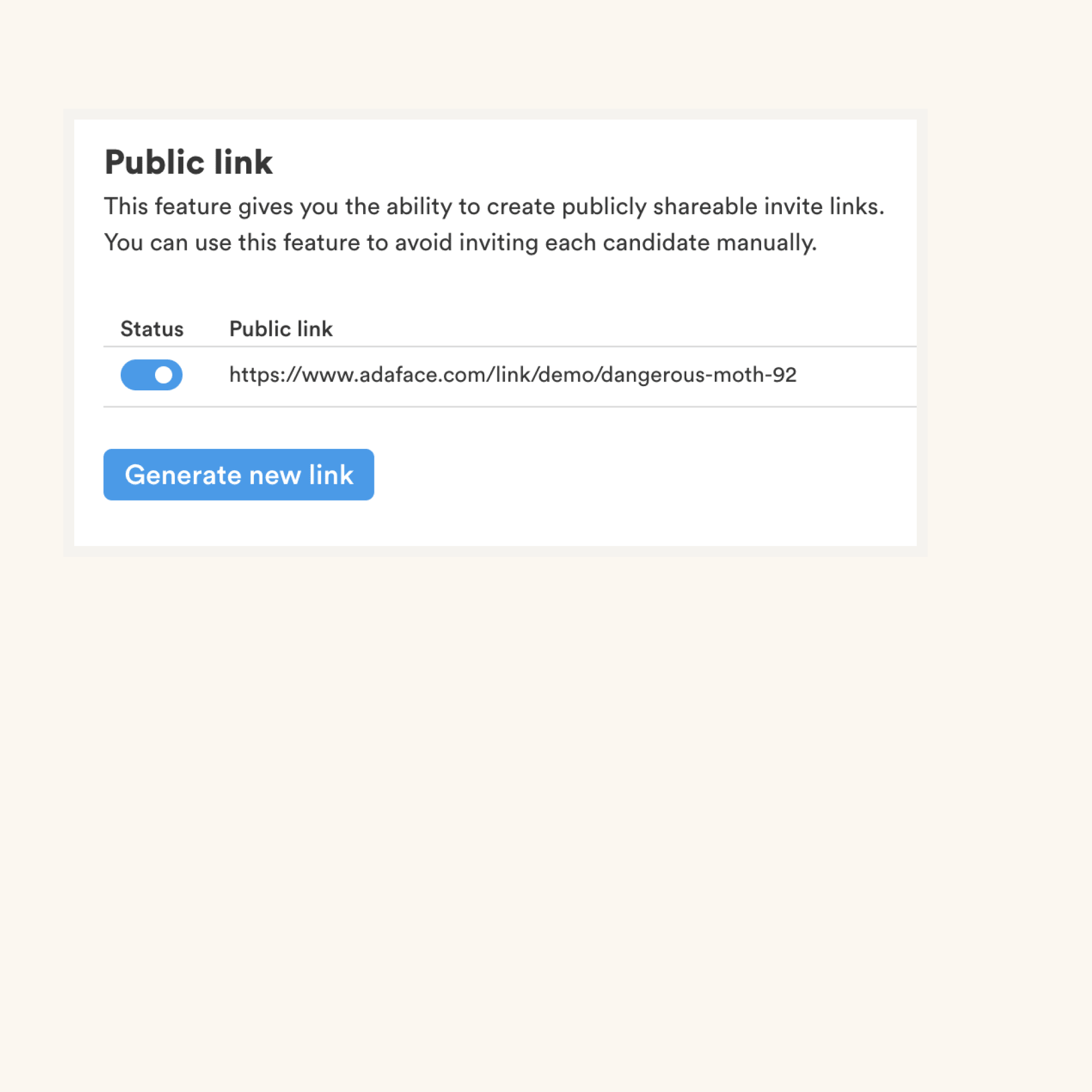
Public Links

ATS Integrations

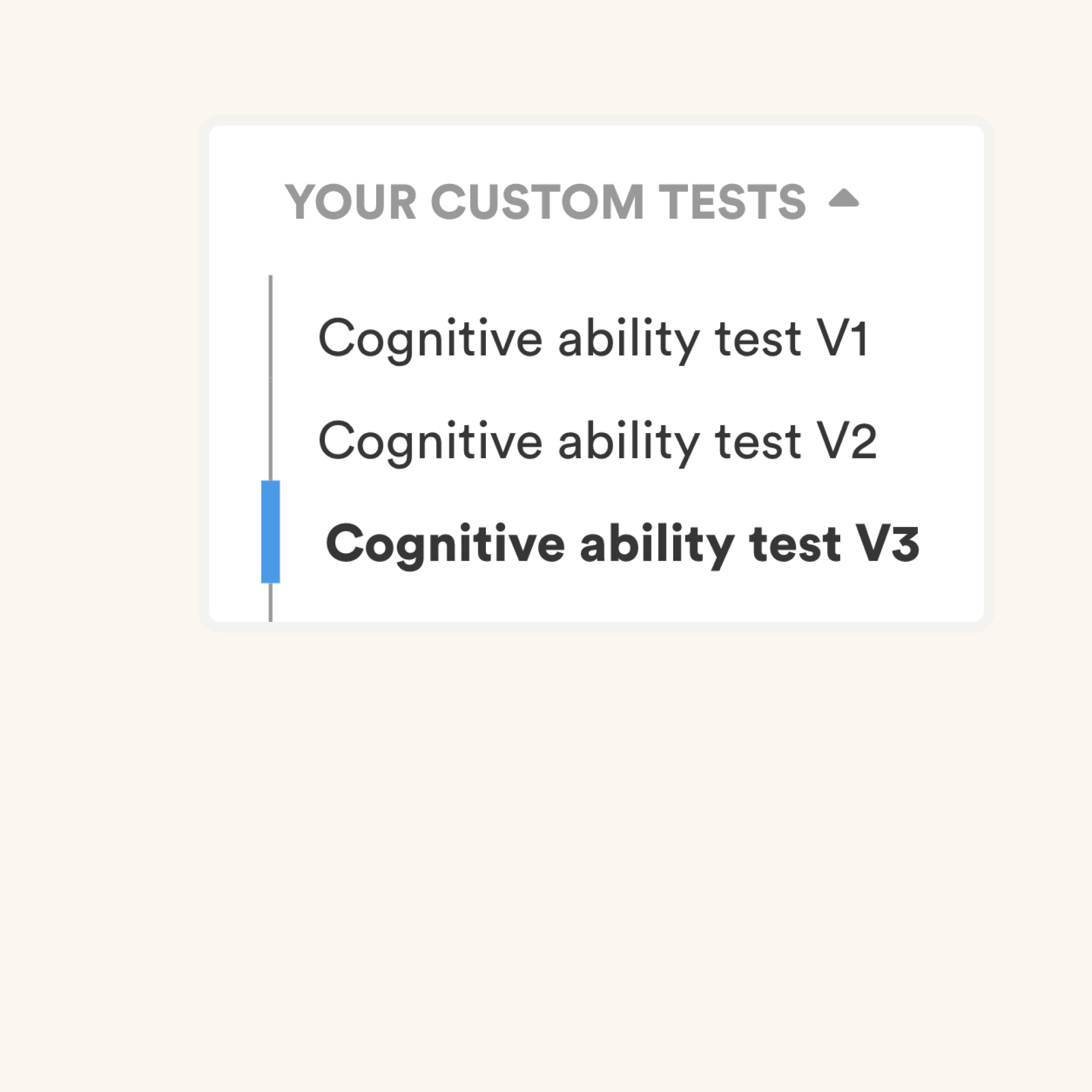
Multiple Question Sets

Custom API integrations

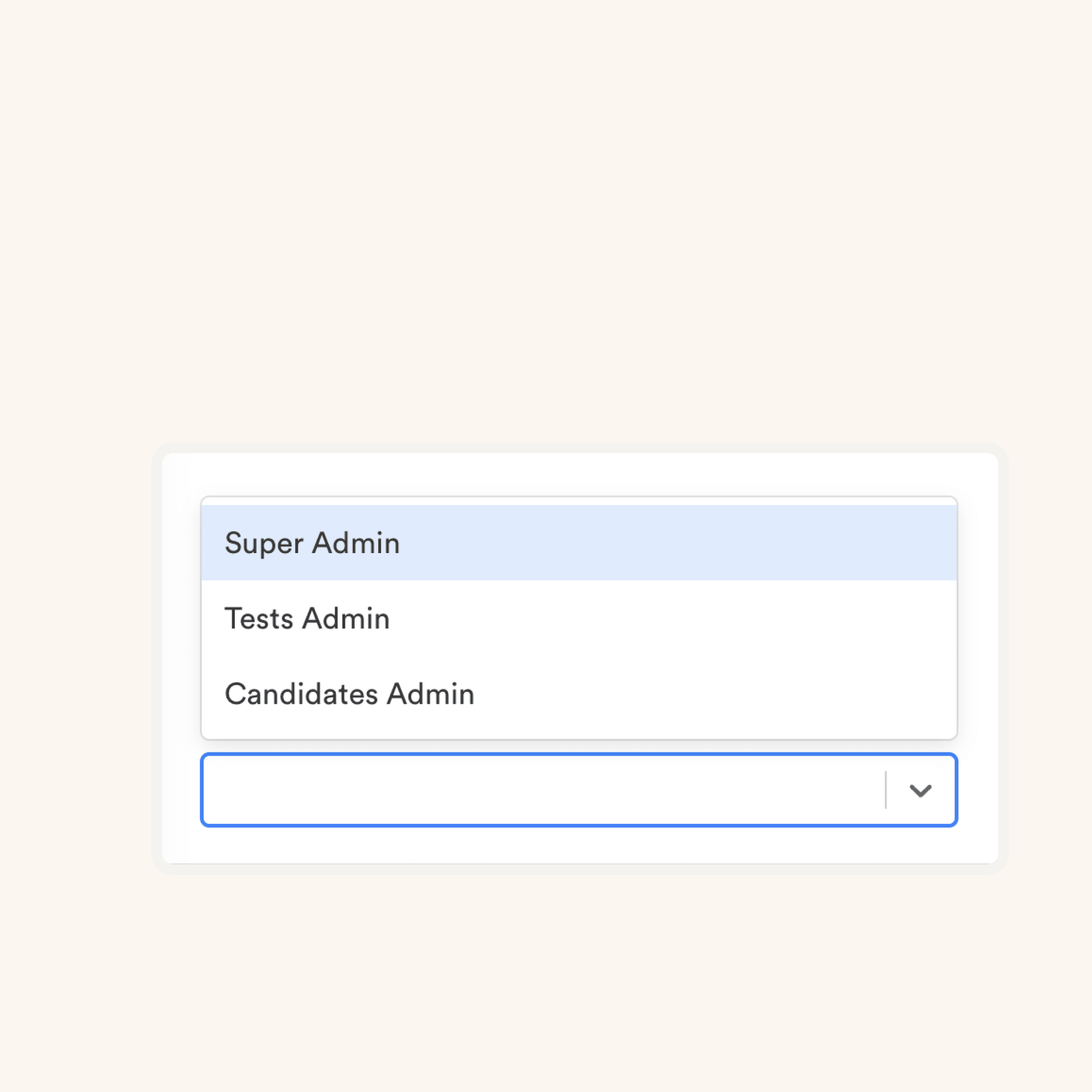
Role-based Access

Priority Support

GDPR Compliance

Screen candidates in 3 easy steps

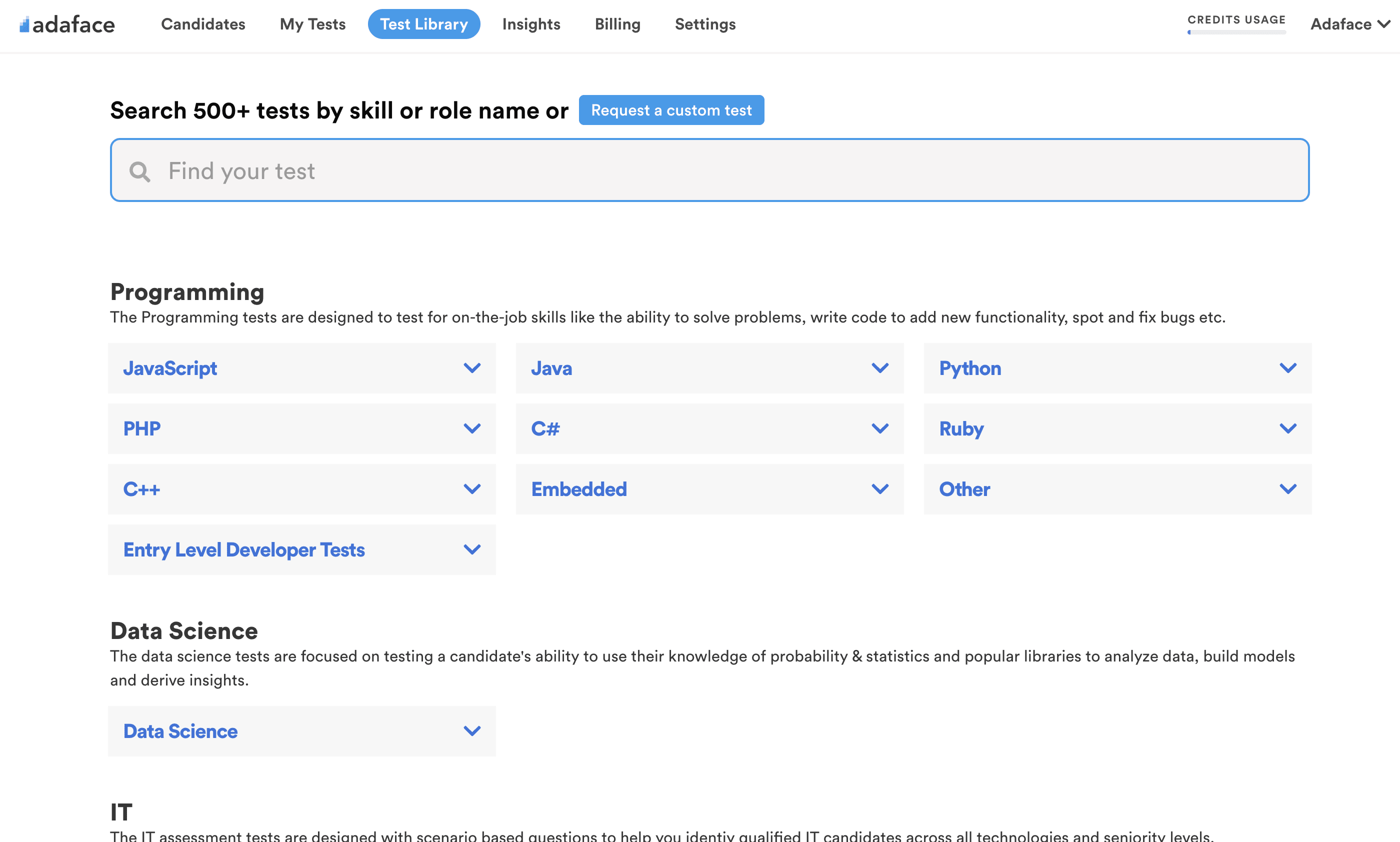
Pick a test from over 500+ tests

The Adaface test library features 500+ tests to enable you to test candidates on all popular skills- everything from programming languages, software frameworks, devops, logical reasoning, abstract reasoning, critical thinking, fluid intelligence, content marketing, talent acquisition, customer service, accounting, product management, sales and more.

Invite your candidates with 2-clicks

Make informed hiring decisions

Get started for free
Preview questions

Have questions about the Perl (Coding): Data Structures - Arrays Hiring Test?

What is Perl (Coding): Data Structures - Arrays Test?

The Perl (Coding): Data Structures - Arrays Test assesses candidates' skills in array manipulation, sorting, searching, functions, and more in Perl. Recruiters and hiring managers use this test to identify proficient Perl developers with strong array handling capabilities.

Can I combine Perl (Coding): Data Structures - Arrays Test with another test?

Yes, you can request a custom test that includes additional skills from other tests. For example, you can check out the Python (Coding): Data Structures Test to combine Python and Perl skills in one assessment.

What kind of questions are used to evaluate senior candidates in Perl (Coding): Data Structures - Arrays Test?

The Perl Arrays Test evaluates senior candidates on skills such as dynamic array implementation, memory allocation optimization, custom sorting algorithms, and binary search techniques, ensuring assessment of advanced array handling capabilities.

How to use Perl (Coding): Data Structures - Arrays Test in my hiring process?

You can integrate this test as a pre-screening tool early in your recruitment process. Add a link to the assessment in your job post or directly invite candidates via email. This streamlines finding top Perl talent efficiently.

Can I combine multiple skills into one custom assessment?

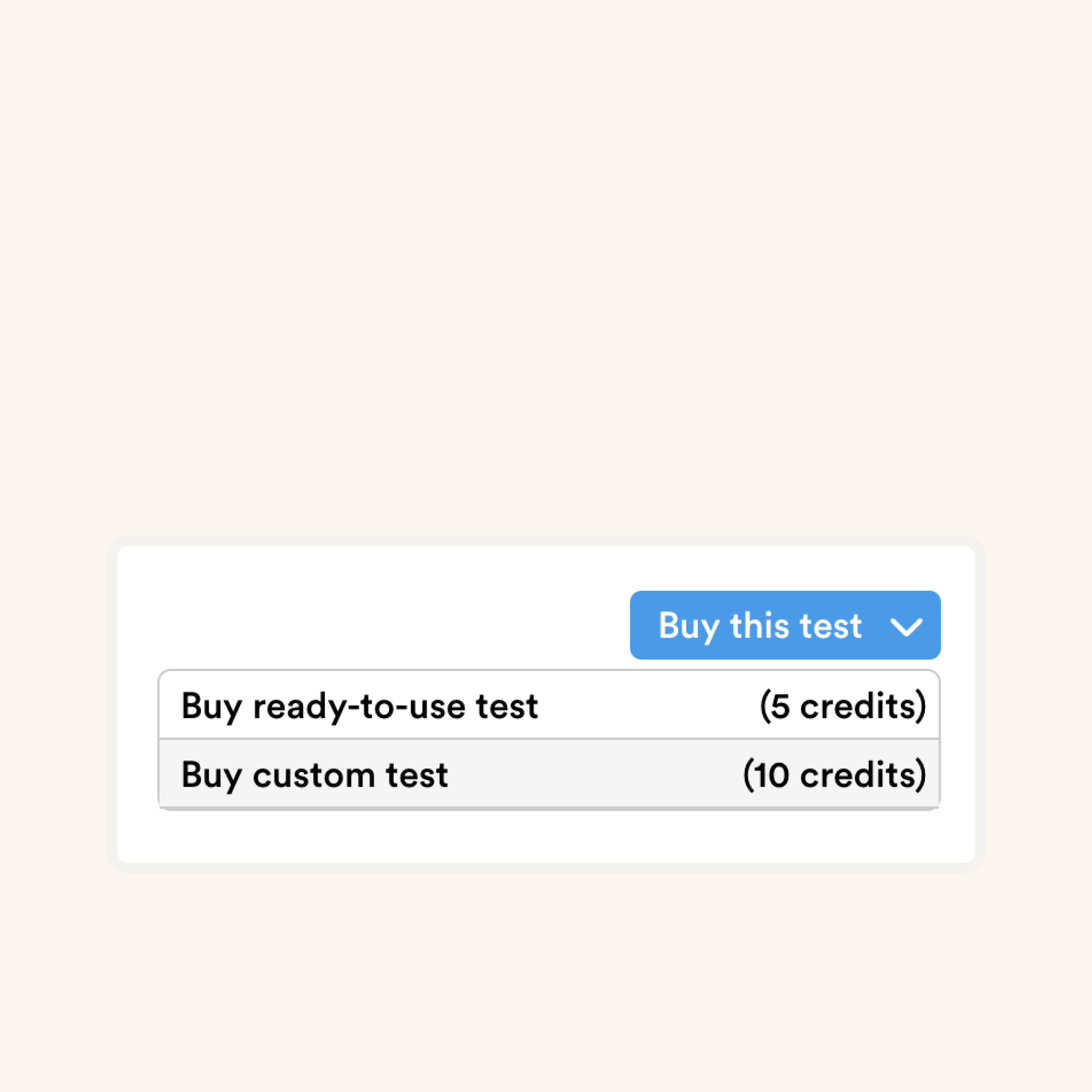
Yes, absolutely. Custom assessments are set up based on your job description, and will include questions on all must-have skills you specify. Here's a quick guide on how you can request a custom test.

Do you have any anti-cheating or proctoring features in place?

We have the following anti-cheating features in place:

  • Hidden AI Tools Detection with Honestly
  • Non-googleable questions
  • IP proctoring
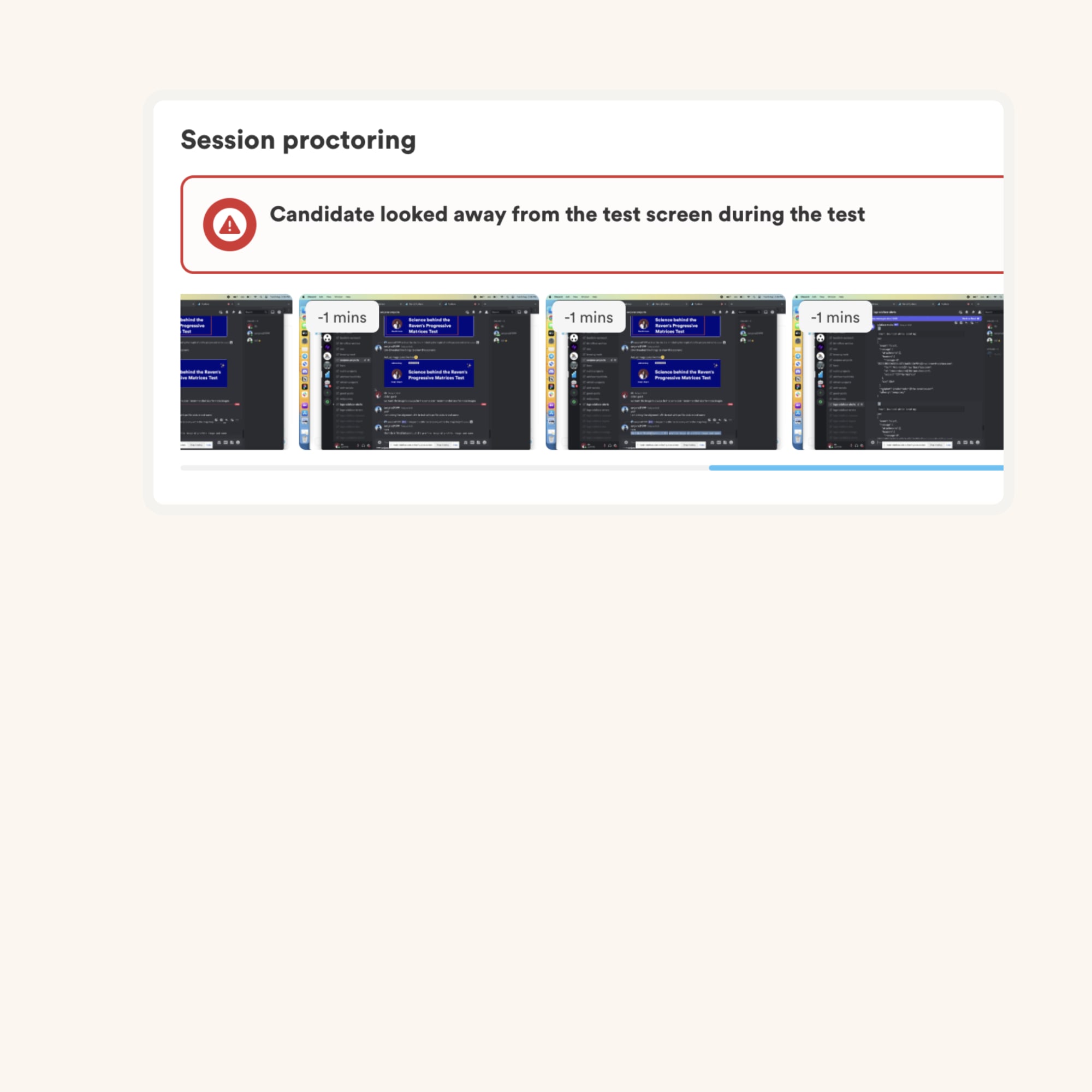
  • Screen proctoring
  • Web proctoring
  • Webcam proctoring
  • Plagiarism detection
  • Secure browser
  • Copy paste protection

Read more about the proctoring features.

How do I interpret test scores?

The primary thing to keep in mind is that an assessment is an elimination tool, not a selection tool. A skills assessment is optimized to help you eliminate candidates who are not technically qualified for the role, it is not optimized to help you find the best candidate for the role. So the ideal way to use an assessment is to decide a threshold score (typically 55%, we help you benchmark) and invite all candidates who score above the threshold for the next rounds of interview.

What experience level can I use this test for?

Each Adaface assessment is customized to your job description/ ideal candidate persona (our subject matter experts will pick the right questions for your assessment from our library of 10000+ questions). This assessment can be customized for any experience level.

Does every candidate get the same questions?

Yes, it makes it much easier for you to compare candidates. Options for MCQ questions and the order of questions are randomized. We have anti-cheating/ proctoring features in place. In our enterprise plan, we also have the option to create multiple versions of the same assessment with questions of similar difficulty levels.

I'm a candidate. Can I try a practice test?

No. Unfortunately, we do not support practice tests at the moment. However, you can use our sample questions for practice.

What is the cost of using this test?

You can check out our pricing plans.

Can I get a free trial?

Yes, you can sign up for free and preview this test.

I just moved to a paid plan. How can I request a custom assessment?

Here is a quick guide on how to request a custom assessment on Adaface.

View sample scorecard


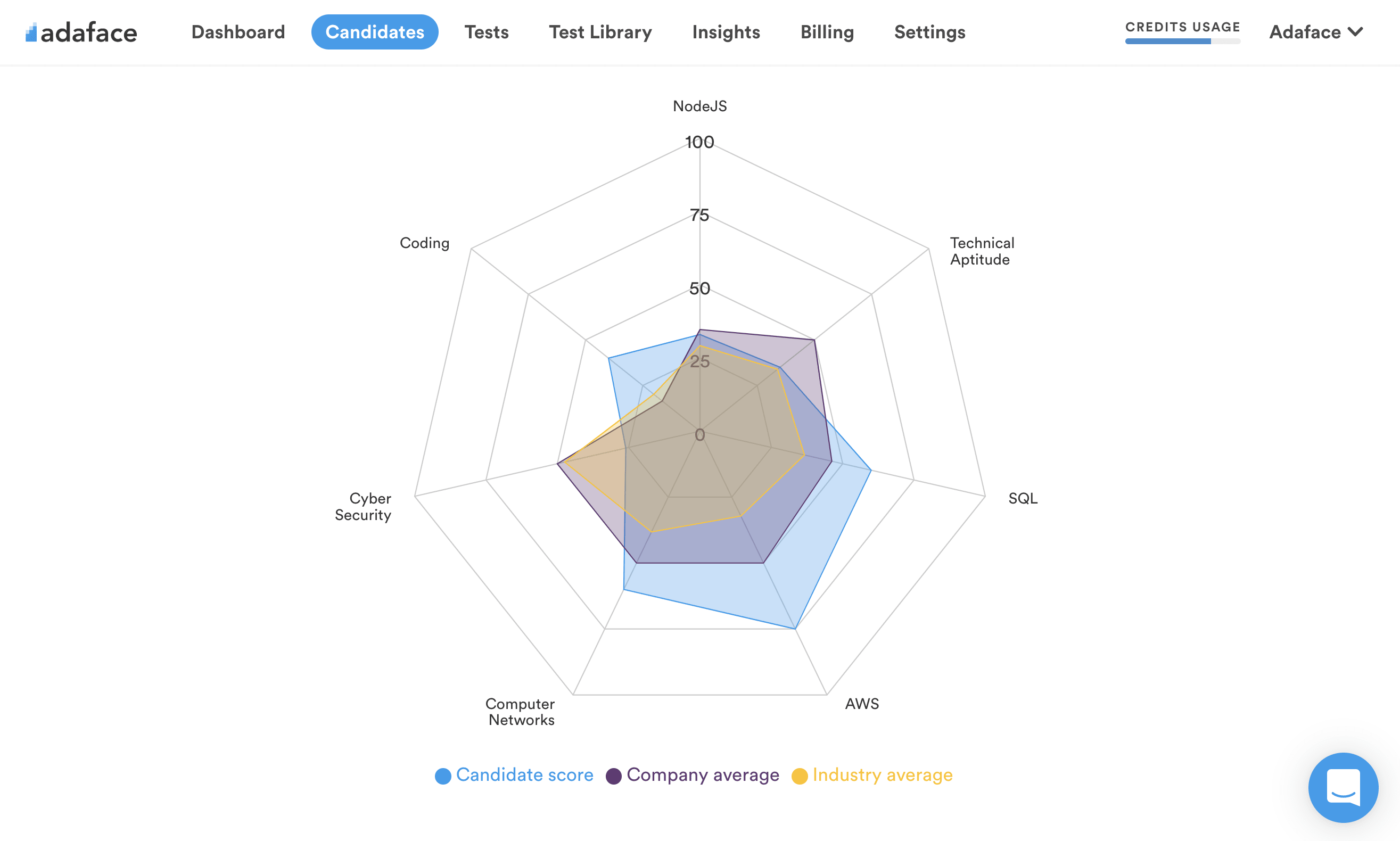
Along with scorecards that report the performance of the candidate in detail, you also receive a comparative analysis against the company average and industry standards.

View sample scorecard
customers across world
Join 1200+ companies in 80+ countries.
Try the most candidate friendly skills assessment tool today.
g2 badges
Ready to use the Adaface Perl (Coding): Data Structures - Arrays Test?
logo
40 min tests.
No trick questions.
Accurate shortlisting.
Terms Privacy Trust Guide
ada
Ada
● Online
Previous
Score: NA
Next
✖️