Search test library by skills or roles
⌘ K

AIOps Integrations Specialist Test

The AIOps Integrations Specialist Test evaluates a candidate's proficiency in integrating AIOps solutions with existing systems. It assesses skills in machine learning operations, containerization using Docker, DevOps principles, LLM inference, and AI infrastructure management through targeted MCQs. The test aims to ensure candidates can manage and deploy AI-driven operations efficiently.

Covered skills:

  • Machine Learning Operations
  • Docker Containerization
  • DevOps Automation
  • LLM Model Inference
  • AI Infrastructure Management
  • Continuous Integration and Deployment
  • Cloud Services and Automation
  • Monitoring and Logging in DevOps
  • Microservices Architecture
  • Data Engineering for AI Models
  • Infrastructure as Code
  • Orchestration Tools
Get started for free
Preview questions

About the AIOps Integrations Specialist Assessment Test


The AIOps Integrations Specialist Test helps recruiters and hiring managers identify qualified candidates from a pool of resumes, and helps in taking objective hiring decisions. It reduces the administrative overhead of interviewing too many candidates and saves time by filtering out unqualified candidates at the first step of the hiring process.

The test screens for the following skills that hiring managers look for in candidates:

  • Demonstrate proficiency in setting up and managing containerized applications using Docker.
  • Efficiently manage and automate CI/CD pipelines for seamless deployment processes.
  • Implement effective machine learning model management and deployment strategies.
  • Configure and scale AI infrastructure for optimized performance and resource utilization.
  • Conduct low-latency inference using large language models in production environments.
  • Maintain and troubleshoot AI and DevOps systems for continued reliability and performance.
  • Utilize DevOps tools and methodologies to automate routine tasks and processes.
  • Monitor, log, and analyze system performance and issues using relevant tools.
  • Design and manage microservices architecture for modular and scalable applications.
  • Apply best practices in data engineering to support AI model training and deployment.
  • Implement infrastructure as code to maintain consistency across development environments.
  • Leverage cloud service platforms for scalable and efficient service deployments.

1200+ customers in 80 countries


Use Adaface tests trusted by recruitment teams globally. Adaface skill assessments measure on-the-job skills of candidates, providing employers with an accurate tool for screening potential hires.

customers in 75 countries
Get started for free
Preview questions

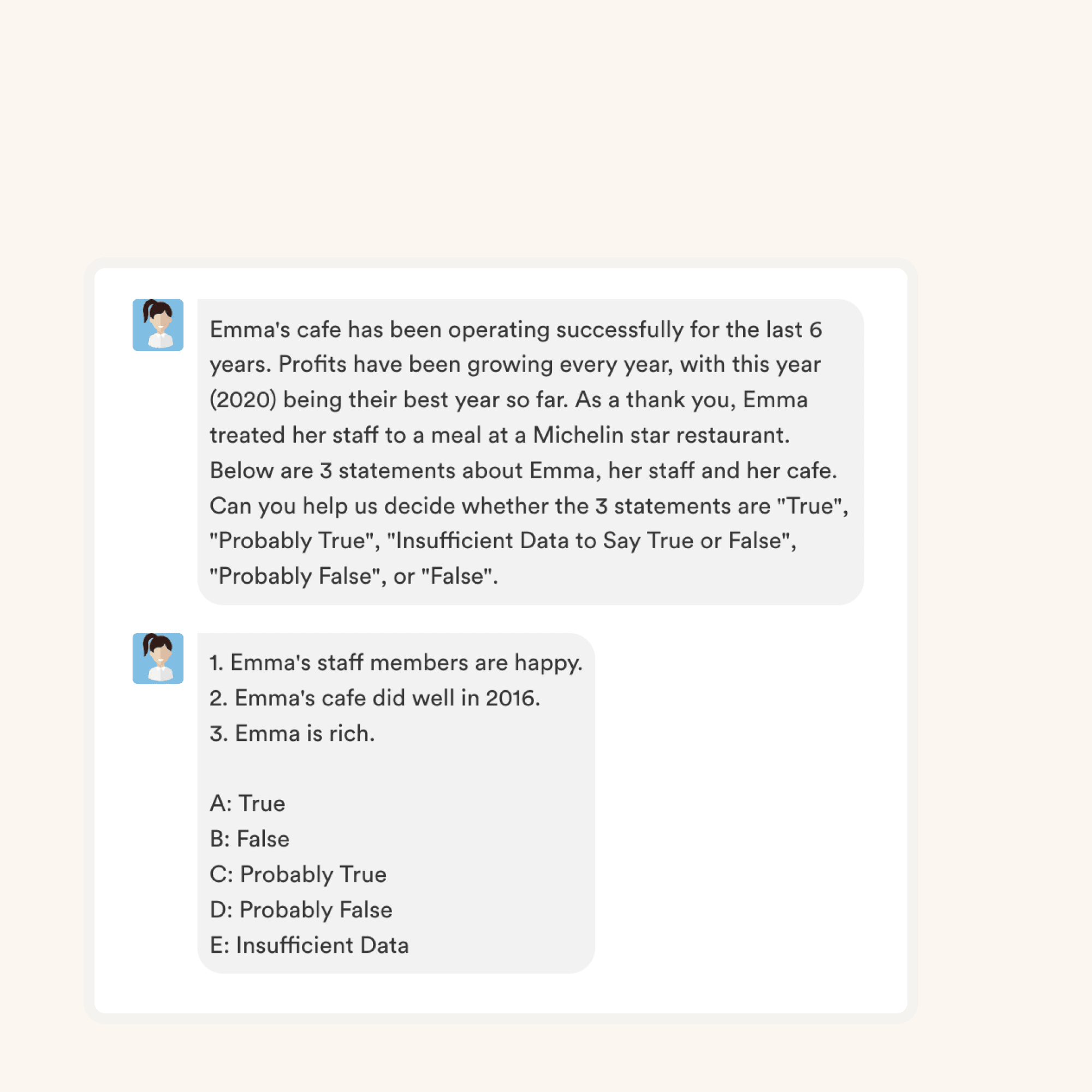
Non-googleable questions


We have a very high focus on the quality of questions that test for on-the-job skills. Every question is non-googleable and we have a very high bar for the level of subject matter experts we onboard to create these questions. We have crawlers to check if any of the questions are leaked online. If/ when a question gets leaked, we get an alert. We change the question for you & let you know.

How we design questions

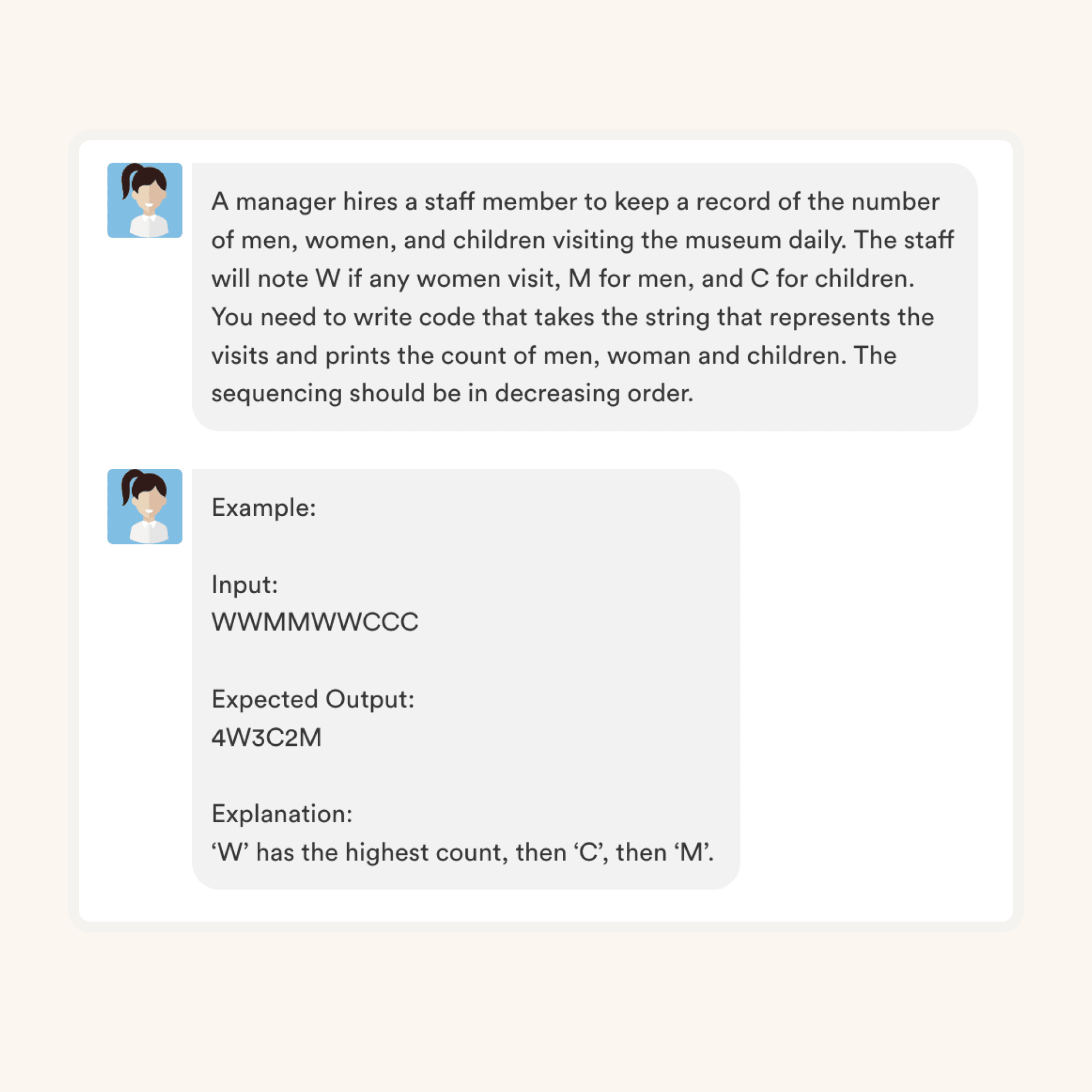
These are just a small sample from our library of 15,000+ questions. The actual questions on this AIOps Integrations Specialist Test will be non-googleable.

🧐 Question

Medium

Docker Multistage Build Analysis
Multistage Builds
Optimization
Dockerfile Syntax
Solve
Consider the following Dockerfile, which utilizes multistage builds. The aim is to build a lightweight, optimized image that just runs the application.
 image
The Dockerfile first defines a base image that includes Node.js and npm, then it creates an intermediate image to install the npm dependencies. Afterwards, it runs the tests in another stage and finally, creates the release image.

Which of the following statements are true?

A: The final image will include the test scripts.
B: If a test fails, the final image will not be created.
C: The node_modules directory in the final image comes from the base image.
D: The final image will only contain the necessary application files and dependencies.
E: If the application's source code changes, only the release stage needs to be rebuilt.

Easy

Docker Networking and Volume Mounting Interplay
Networking
Volume Mounting
Docker Networking
Solve
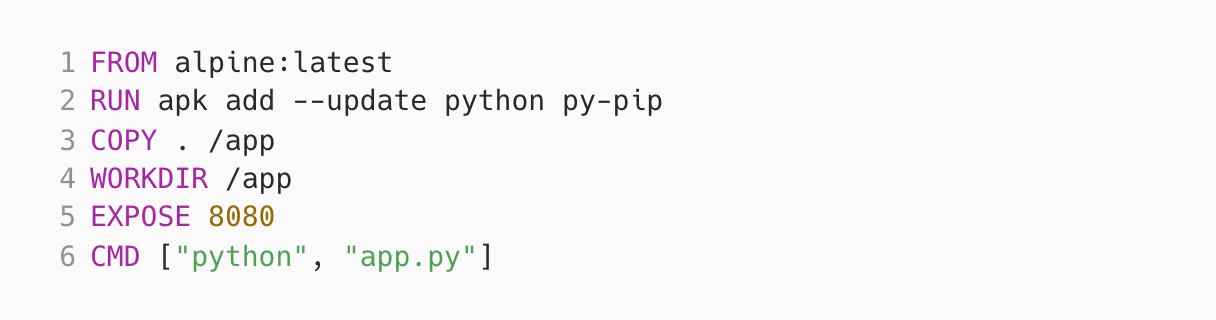
You have two docker containers, X and Y. Container X is running a web service listening on port 8080, and container Y is supposed to consume this service. Both containers are created from images that don't have any special network configurations.

Container X has a Dockerfile as follows:
 image
And, you build and run it with the following commands:
 image
Container Y is also running alpine with python installed, and it's supposed to read data from the `/app/data` directory and send a GET request to `http://localhost:8080` every 5 minutes. The Dockerfile for container B is:
 image
And you run it with:
 image
Assuming all the python scripts work perfectly and firewall isn't blocking any connections, you find that container Y can't access the web service of container X via `http://localhost:8080` and also it can't read the data in `/app/data` directory. What could be the potential reason(s)?
A: Y can't access X's web service because they're in different Docker networks.
B: Y can't read the data because the volume is not shared correctly.
C: Both A and B are correct.
D: Both A and B are incorrect.

Medium

Dockerfile Optimization
Dockerfile
Multi-stage builds
Layer Caching
Solve
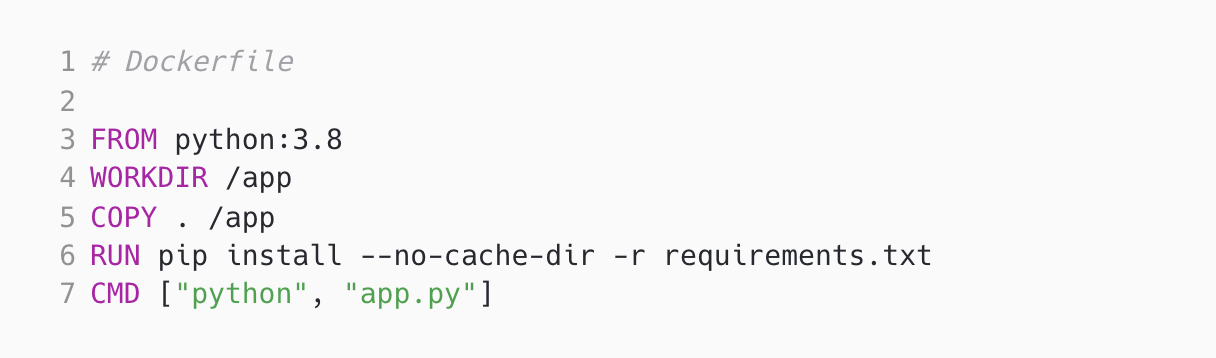
You have been asked to optimize a Dockerfile for a Python application that involves a heavy dependency installation. Here is the Dockerfile you are starting with:
 image
Given that the application's source code changes frequently but the dependencies listed in requirements.txt rarely change, how can you optimize this Dockerfile to take advantage of Docker's layer caching, reducing the build time?
A: Move the `RUN pip install` command to before the `COPY` command.
B: Change `COPY . /app` to `COPY ./app.py /app` and move the `RUN pip install` command to before the `COPY` command.
C: Add `RUN pip cache purge` before `RUN pip install`.
D: Replace the base image with `python:3.8-slim`.
E: Implement multi-stage builds.

Medium

Dockerfile Updates
Cache
Docker Cache Strategies
Solve
Check the following Dockerfile used for a project (STAGE 1):
 image
We created an image from this Dockerfile on Dec 14 2021. A couple of weeks after Dec 14 2021, Ubuntu released new security updates to their repository. After 2 months, we modified the file (STAGE 2):
 image
Couple of weeks later, we further modified the file to add a local file ada.txt to /ada.txt (STAGE 3): (Note that ada.txt exists in /home/adaface and the dockerfile exists in /home/code folders)
 image
Pick correct statements:

A: If we run “docker build .” at STAGE 2, new Ubuntu updates will be fetched because apt-get update will be run again since cache is invalidated for all lines/layers of Dockerfile when a new line is added.
B: If we run “docker build .” at STAGE 2, new Ubuntu updates will not be fetched since cache is invalidated only for last two lines of the updated Dockerfile. Since the first two commands remain the same, cached layers are re-used skipping apt get update.
C: To skip Cache, “docker build -no-cache .” can be used at STAGE 2. This will ensure new Ubuntu updates are picked up.
D: Docker command “docker build .” at STAGE 3 works as expected and adds local file ada.txt to the image.
E: Docker command “docker build .” at STAGE 3 gives an error “no such file or directory” since /home/adaface/ada.txt is not part of the Dockerfile context.

Medium

Efficient Dockerfile
Dockerfile
Dockerfile Syntax
Containerization
Resource Optimization
Solve
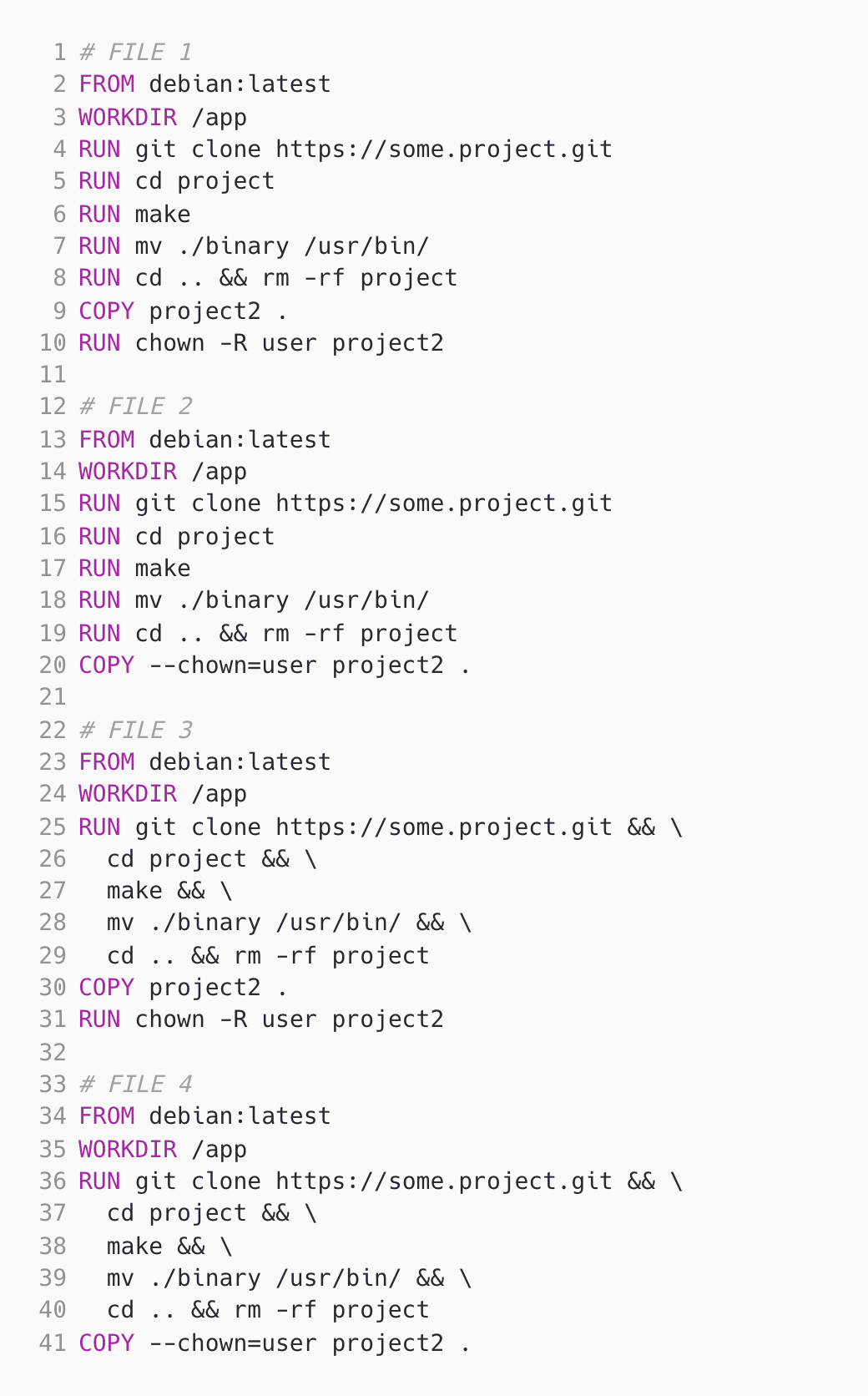
Review the following Dockerfiles that work on two projects (project and project2):
 image
All Docker files have the same end result:

- ‘project’ is cloned from git. After running few commands, ‘project’ code is removed.
- ‘project2’ is copied from file system and permissions to the folder is changed.
Pick the correct statements:

A: File 1 is the most efficient of all.
B: File 2 is the most efficient of all.
C: File 3 is the most efficient of all.
D: File 4 is the most efficient of all.
E: Merging multiple RUN commands into a single RUN command is efficient for ‘project’ since each RUN command creates a new layer with changed files and folders. Deleting files with RUN only marks these files as deleted but does not reclaim disk space. 
F: Copying ‘project2’ files and changing ownership in two separate commands will result in two layers since Docker duplicates all the files twice.

Medium

Resource Analysis
Process Management
System Performance
Log Analysis
Solve
As a senior DevOps engineer, you are tasked with diagnosing performance issues on a Linux server running Ubuntu 20.04. The server hosts several critical applications, but lately, users have been experiencing significant slowness. Initial monitoring shows that CPU and memory utilization are consistently high. To identify the root cause, you check the output of `top` and `ps` commands, which indicate that a particular process is consuming an unusually high amount of resources. However, the process name is generic and does not clearly indicate which application or service it belongs to. You also examine `/var/log/syslog` for any unusual entries but find nothing out of the ordinary. Based on this situation, which of the following steps would most effectively help you identify and resolve the performance issue?
A: Increase the server's physical memory and CPU capacity.
B: Use the `lsof` command to identify the files opened by the suspect process.
C: Reboot the server to reset all processes.
D: Examine the `/etc/hosts` file for any incorrect configurations.
E: Run the `netstat` command to check for abnormal network activity.
F: Check the crontab for any recently added scheduled tasks.

Medium

Streamlined DevOps
Continuous Integration
Scripting
Git
Shell Scripting
Solve
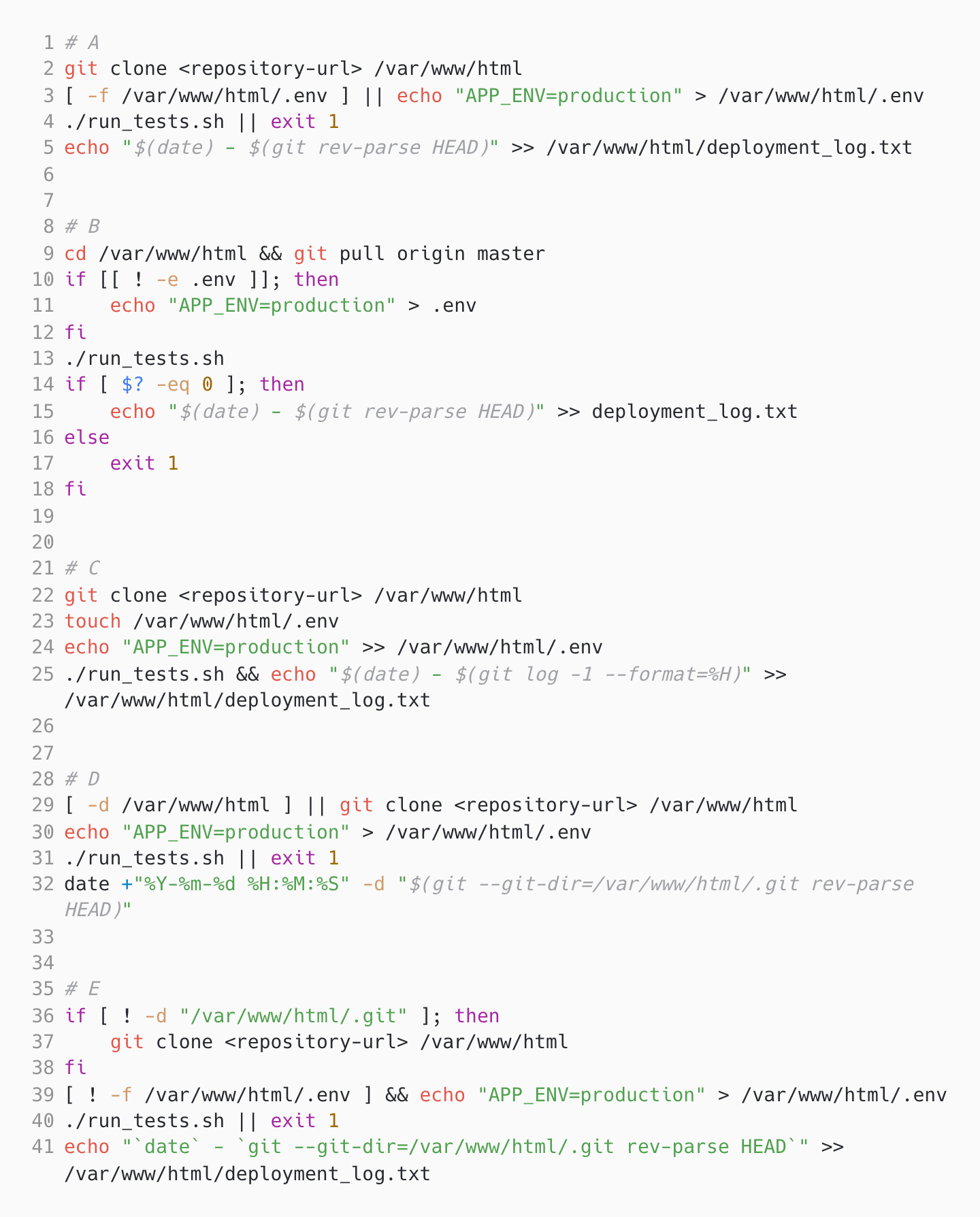
You are in charge of developing a Bash script for setting up a continuous integration pipeline for a web application. The source code is hosted in a Git repository. The script's goals include:

1. Ensuring the local copy of the repository in /var/www/html is updated to the latest version.
2. Creating a .env file with APP_ENV=production in the project root if it doesn't already exist.
3. Running a test suite with ./run_tests.sh and handling any test failures appropriately.
4. Logging the current timestamp and commit hash in deployment_log.txt in the project root if tests pass.

Which of the following script options would most effectively and safely accomplish these tasks?
 image
🧐 Question 🔧 Skill

Medium

Docker Multistage Build Analysis
Multistage Builds
Optimization
Dockerfile Syntax

3 mins

Docker
Solve

Easy

Docker Networking and Volume Mounting Interplay
Networking
Volume Mounting
Docker Networking

3 mins

Docker
Solve

Medium

Dockerfile Optimization
Dockerfile
Multi-stage builds
Layer Caching

2 mins

Docker
Solve

Medium

Dockerfile Updates
Cache
Docker Cache Strategies

2 mins

Docker
Solve

Medium

Efficient Dockerfile
Dockerfile
Dockerfile Syntax
Containerization
Resource Optimization

2 mins

Docker
Solve

Medium

Resource Analysis
Process Management
System Performance
Log Analysis

3 mins

DevOps
Solve

Medium

Streamlined DevOps
Continuous Integration
Scripting
Git
Shell Scripting

2 mins

DevOps
Solve
🧐 Question 🔧 Skill 💪 Difficulty ⌛ Time
Docker Multistage Build Analysis
Multistage Builds
Optimization
Dockerfile Syntax
Docker
Medium 3 mins
Solve
Docker Networking and Volume Mounting Interplay
Networking
Volume Mounting
Docker Networking
Docker
Easy 3 mins
Solve
Dockerfile Optimization
Dockerfile
Multi-stage builds
Layer Caching
Docker
Medium 2 mins
Solve
Dockerfile Updates
Cache
Docker Cache Strategies
Docker
Medium 2 mins
Solve
Efficient Dockerfile
Dockerfile
Dockerfile Syntax
Containerization
Resource Optimization
Docker
Medium 2 mins
Solve
Resource Analysis
Process Management
System Performance
Log Analysis
DevOps
Medium 3 mins
Solve
Streamlined DevOps
Continuous Integration
Scripting
Git
Shell Scripting
DevOps
Medium 2 mins
Solve
Get started for free
Preview questions
love bonito

With Adaface, we were able to optimise our initial screening process by upwards of 75%, freeing up precious time for both hiring managers and our talent acquisition team alike!

Brandon Lee, Head of People, Love, Bonito

Brandon
love bonito

It's very easy to share assessments with candidates and for candidates to use. We get good feedback from candidates about completing the tests. Adaface are very responsive and friendly to deal with.

Kirsty Wood, Human Resources, WillyWeather

Brandon
love bonito

We were able to close 106 positions in a record time of 45 days! Adaface enables us to conduct aptitude and psychometric assessments seamlessly. My hiring managers have never been happier with the quality of candidates shortlisted.

Amit Kataria, CHRO, Hanu

Brandon
love bonito

We evaluated several of their competitors and found Adaface to be the most compelling. Great library of questions that are designed to test for fit rather than memorization of algorithms.

Swayam Narain, CTO, Affable

Brandon

Why you should use Pre-employment AIOps Integrations Specialist Test?

The AIOps Integrations Specialist Test makes use of scenario-based questions to test for on-the-job skills as opposed to theoretical knowledge, ensuring that candidates who do well on this screening test have the relavant skills. The questions are designed to covered following on-the-job aspects:

  • Understanding machine learning deployment pipelines.
  • Using Docker for containerized environments.
  • Implementing continuous integration workflows.
  • Conducting LLM model inference experiments.
  • Managing AI infrastructure resources.
  • Automating DevOps processes.
  • Utilizing cloud services for deployment.
  • Monitoring system performance in DevOps.
  • Designing effective microservices architectures.
  • Applying data engineering principles for AI models.

Once the test is sent to a candidate, the candidate receives a link in email to take the test. For each candidate, you will receive a detailed report with skills breakdown and benchmarks to shortlist the top candidates from your pool.

What topics are covered in the AIOps Integrations Specialist Test?

Machine Learning Operations: Machine Learning Operations, or MLOps, involves managing and deploying machine learning models into production. By integrating computational and machine learning expertise, it ensures robust and scalable model deployment. Understanding MLOps is crucial for maintaining effective AI systems in production environments.

Docker Containerization: Docker Containerization provides a standardized unit of software, containing everything needed to run: code, runtime, system tools, and libraries. It allows for isolating applications from infrastructure, promoting seamless development and deployment across platforms. This skill facilitates efficient utilization of resources and simplifies application deployment workflows.

DevOps Automation: DevOps Automation encompasses integrating automation into software development processes, reducing manual interventions and increasing delivery speed. Automating processes such as testing, integration, and deployment is essential for achieving rapid and reliable software releases. It bridges the gap between development and operations, streamlining workflows.

LLM Model Inference: LLM Model Inference involves making predictions or generating results from large language models. Measuring this skill ensures proficiency in executing tasks that require complex language understanding and generation capabilities. It is fundamental for applications relying on advanced natural language processing.

AI Infrastructure Management: AI Infrastructure Management focuses on designing and maintaining the underlying systems supporting AI applications. Efficient management allows for optimal resource utilization and supports scaling of AI workloads. Mastery in this area is key to sustaining high-performance AI systems.

Continuous Integration and Deployment: Continuous Integration and Deployment (CI/CD) automates integrating code changes and deploying them into production. Ensuring code reliability, this practice reduces integration issues and shortens the development lifecycle. It is a cornerstone of agile methodologies, enabling rapid feature delivery.

Cloud Services and Automation: Cloud Services and Automation involves using cloud platforms for hosting, scaling, and automating IT infrastructure. Leveraging these services optimizes resource allocation and operational efficiency. Competence in this domain is critical for harnessing the benefits of cloud computing effectively.

Monitoring and Logging in DevOps: Monitoring and Logging are essential for observing system health and tracking events for DevOps processes. These practices provide insights that are vital for troubleshooting and improving system performance. Maintaining robust monitoring is crucial for sustaining high availability and reliability.

Microservices Architecture: Microservices Architecture breaks applications into smaller, loosely-coupled services that can be independently deployed and scaled. This architectural style enhances modularity and enables faster responses to changes or failures. Understanding it is important for developing flexible, scalable systems.

Data Engineering for AI Models: Data Engineering for AI Models involves preparing and structuring data to optimize machine learning workflows. Quality data engineering ensures accuracy and efficiency in model training and inference. Proficiency in this area directly impacts the effectiveness of AI applications.

Infrastructure as Code: Infrastructure as Code (IaC) allows for managing and provisioning computing resources through machine-readable definition files. IaC simplifies the management of large-scale environments and increases consistency and repeatability. Knowledge in IaC is pivotal for modern infrastructure management strategies.

Orchestration Tools: Orchestration Tools manage the automated configuration, coordination, and management of computer systems and services. They are fundamental in deploying complex applications by ensuring that interdependencies within the system are met. Expertise in these tools is vital for efficient infrastructure and application lifecycle management.

Full list of covered topics

The actual topics of the questions in the final test will depend on your job description and requirements. However, here's a list of topics you can expect the questions for AIOps Integrations Specialist Test to be based on.

Docker Compose
Docker Swarm
Kubernetes Pods
Kubernetes Services
CI/CD Pipelines
GitLab CI
Jenkins Pipelines
Terraform
Ansible Playbooks
Grafana Dashboards
Prometheus Monitoring
Log Management
Syslog
Elasticsearch
Fluentd
Microservices Design
Service Mesh
API Gateway
Load Balancing
Data Pipelines
ETL Processes
Large Models
Model Deployment
Model Serving
Distributed Training
GPU Utilization
Auto-scaling
Network Policies
Service Discovery
Azure DevOps
AWS CloudFormation
IAM Roles
Secrets Management
Continuous Integration
Continuous Deployment
Reverse Proxy
Virtualization Concepts
Version Control
Code Review
Hybrid Cloud
Cloud Migration
Capacity Planning
Resource Monitoring

What roles can I use the AIOps Integrations Specialist Test for?

  • AIOps Engineer
  • Integration Specialist
  • DevOps Engineer
  • Machine Learning Engineer
  • Data Scientist
  • AI Infrastructure Architect
  • Site Reliability Engineer
  • Cloud Solutions Architect
  • Platform Engineer
  • Software Developer

How is the AIOps Integrations Specialist Test customized for senior candidates?

For intermediate/ experienced candidates, we customize the assessment questions to include advanced topics and increase the difficulty level of the questions. This might include adding questions on topics like

  • Configuring infrastructure as code.
  • Utilizing orchestration tools for automation.
  • Optimizing machine learning model scalability.
  • Securing containerized applications with Docker.
  • Leveraging advanced CI/CD strategies.
  • Scaling LLM inference for large datasets.
  • Implementing robust AI infrastructure management.
  • Automating deployment using cloud orchestration.
  • Integrating logging solutions for DevOps.
  • Architecting data pipelines for machine learning models.

Try the most advanced candidate assessment platform

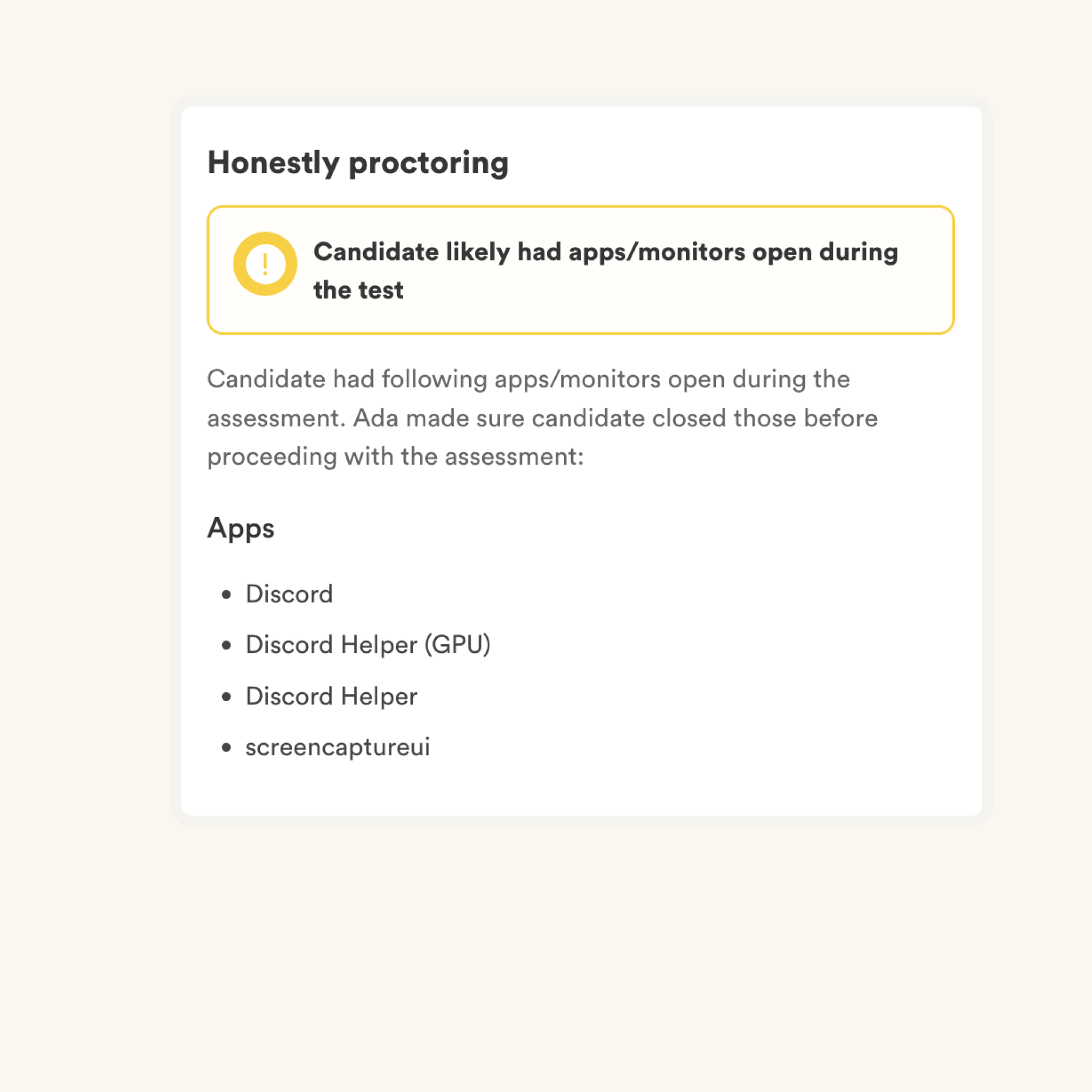
AI Cheating Detection with Honestly

ChatGPT Protection

Non-googleable Questions

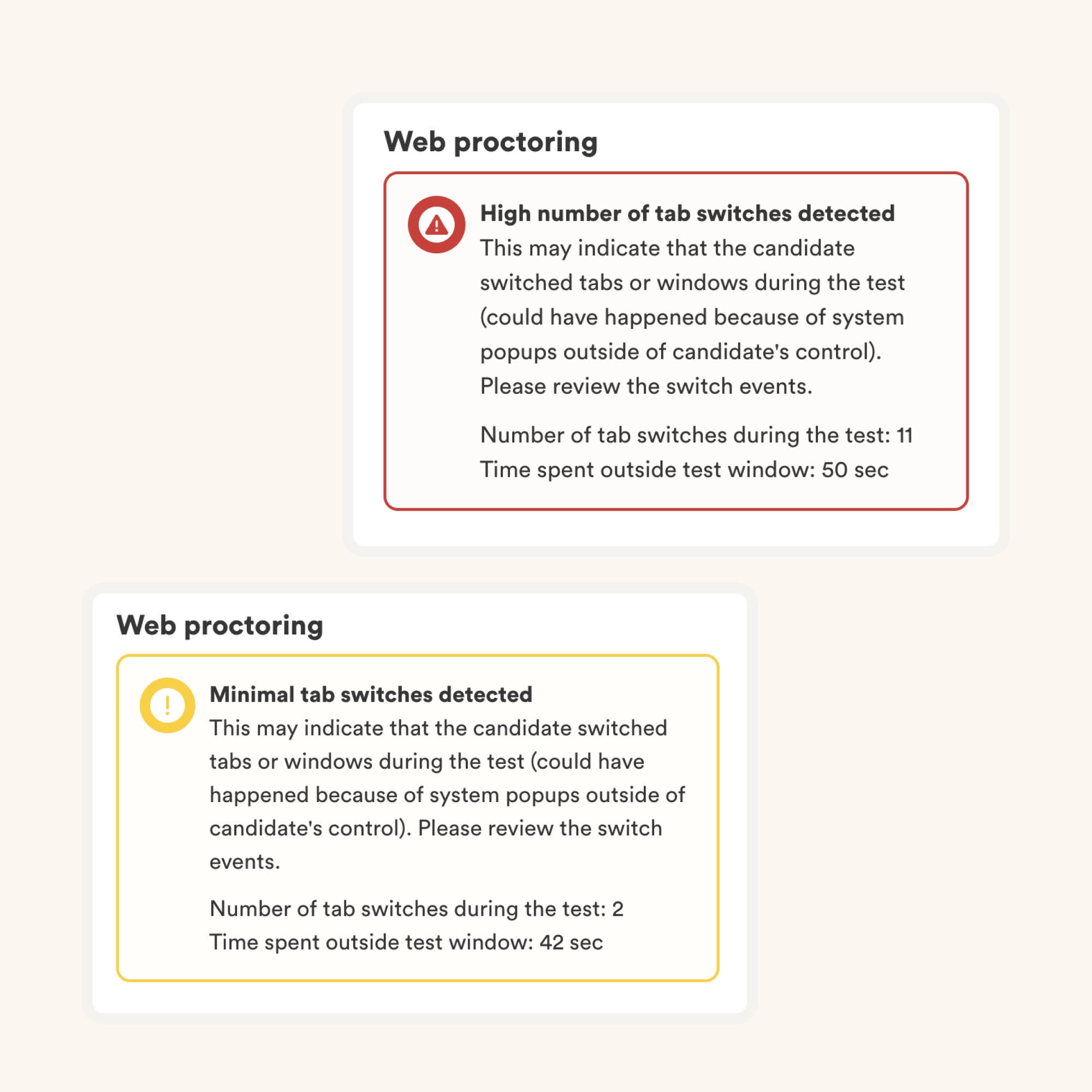
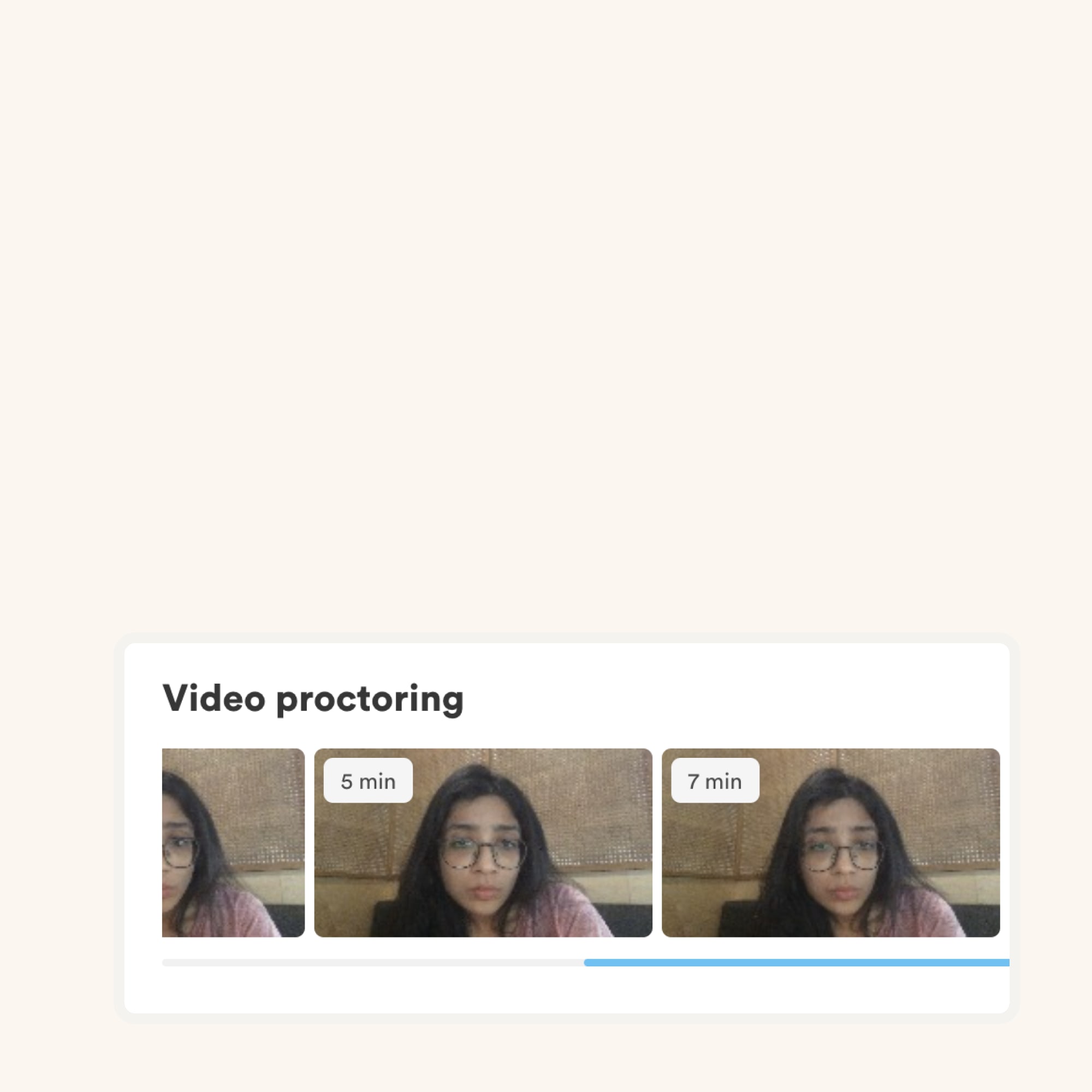
Web Proctoring

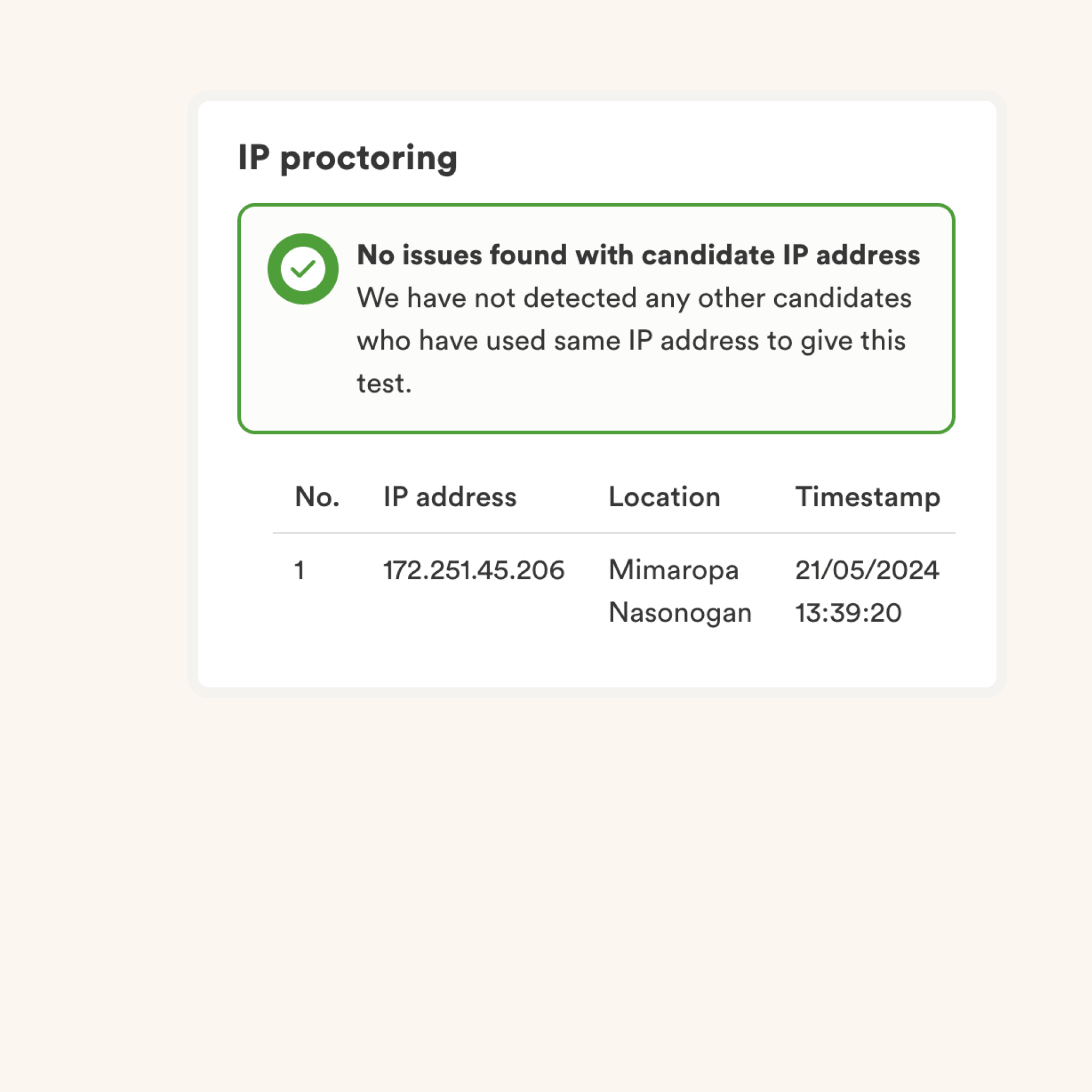
IP Proctoring

Webcam Proctoring

MCQ Questions

Coding Questions

Typing Questions

Personality Questions

Custom Questions

Ready-to-use Tests

Custom Tests

Custom Branding

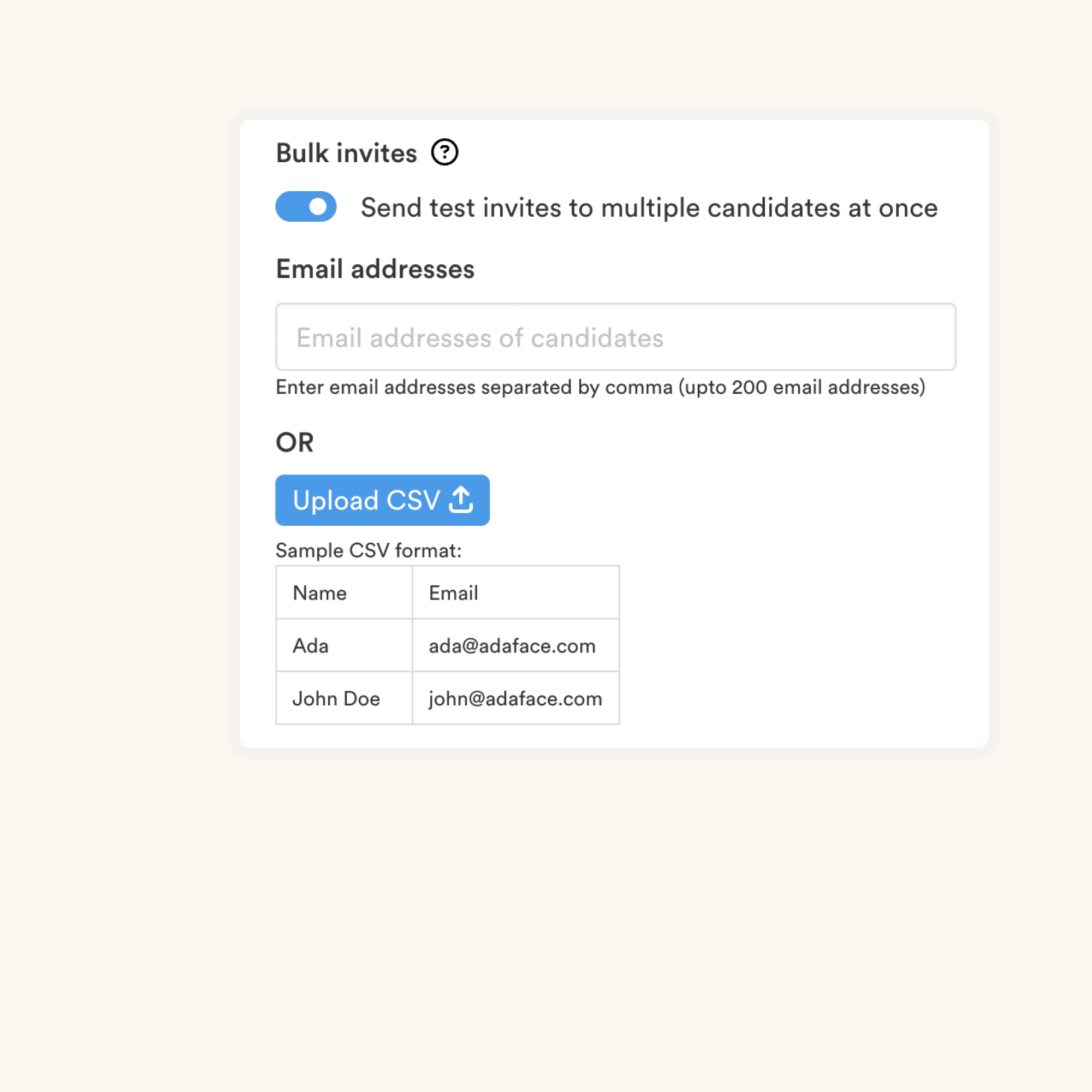
Bulk Invites

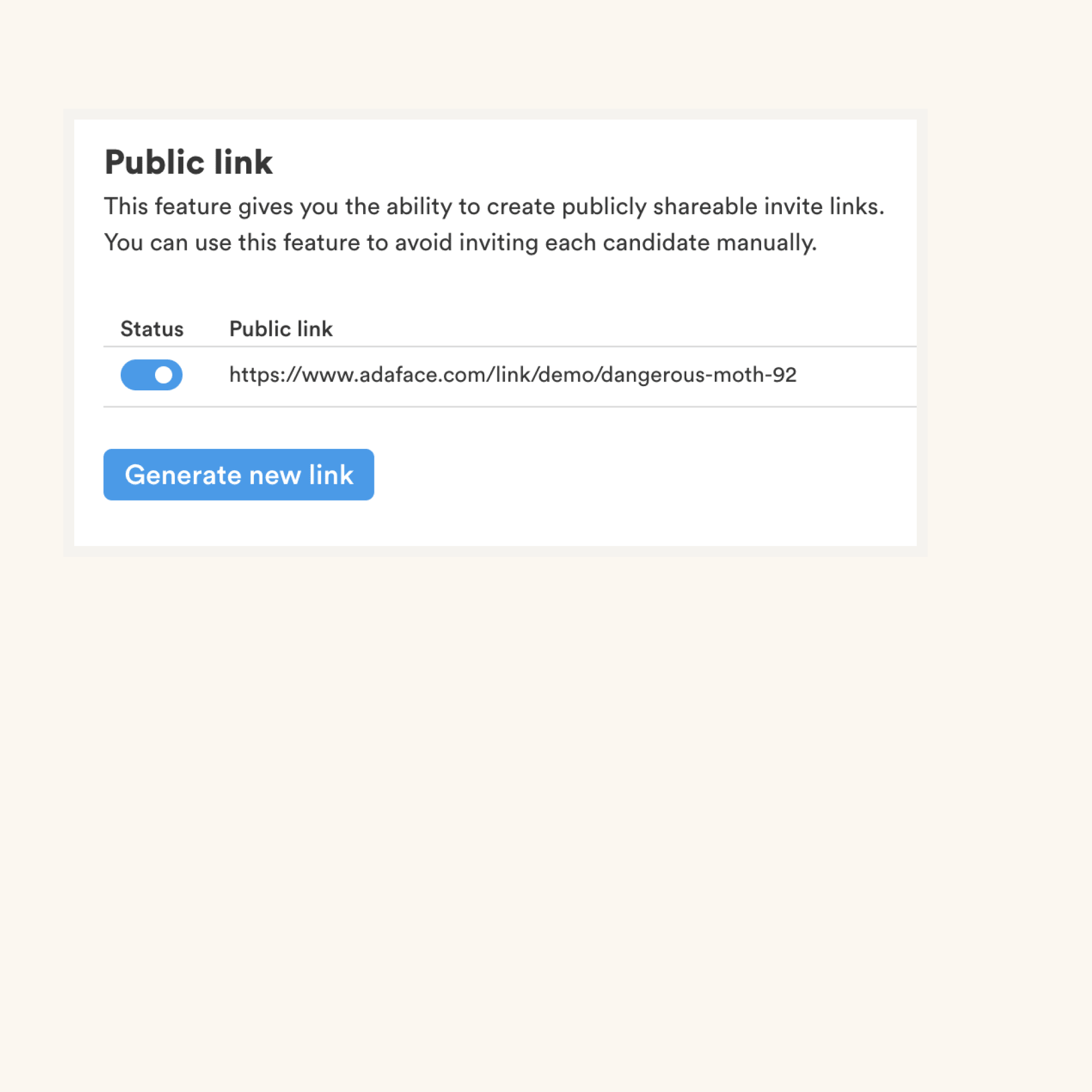
Public Links

ATS Integrations

Multiple Question Sets

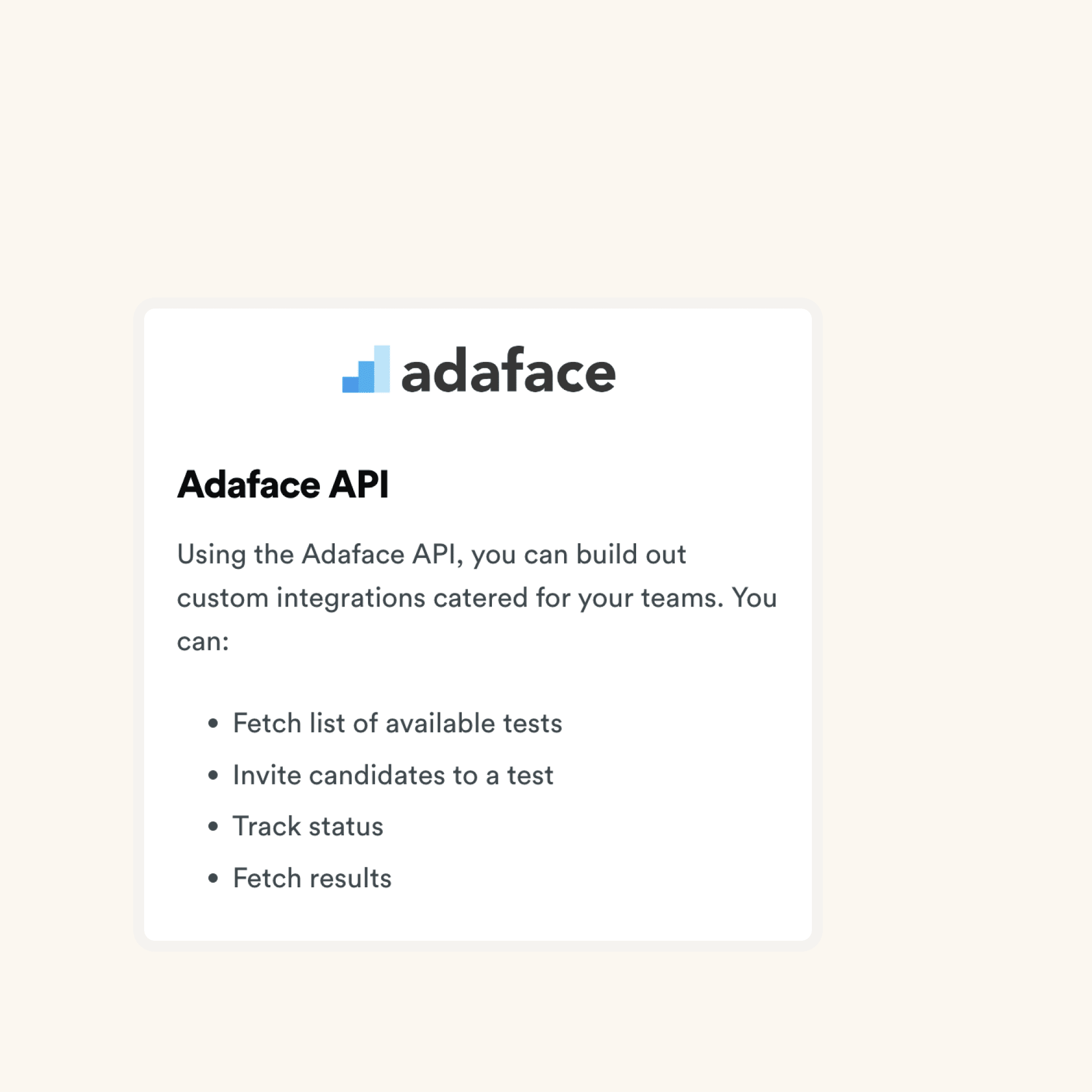
Custom API integrations

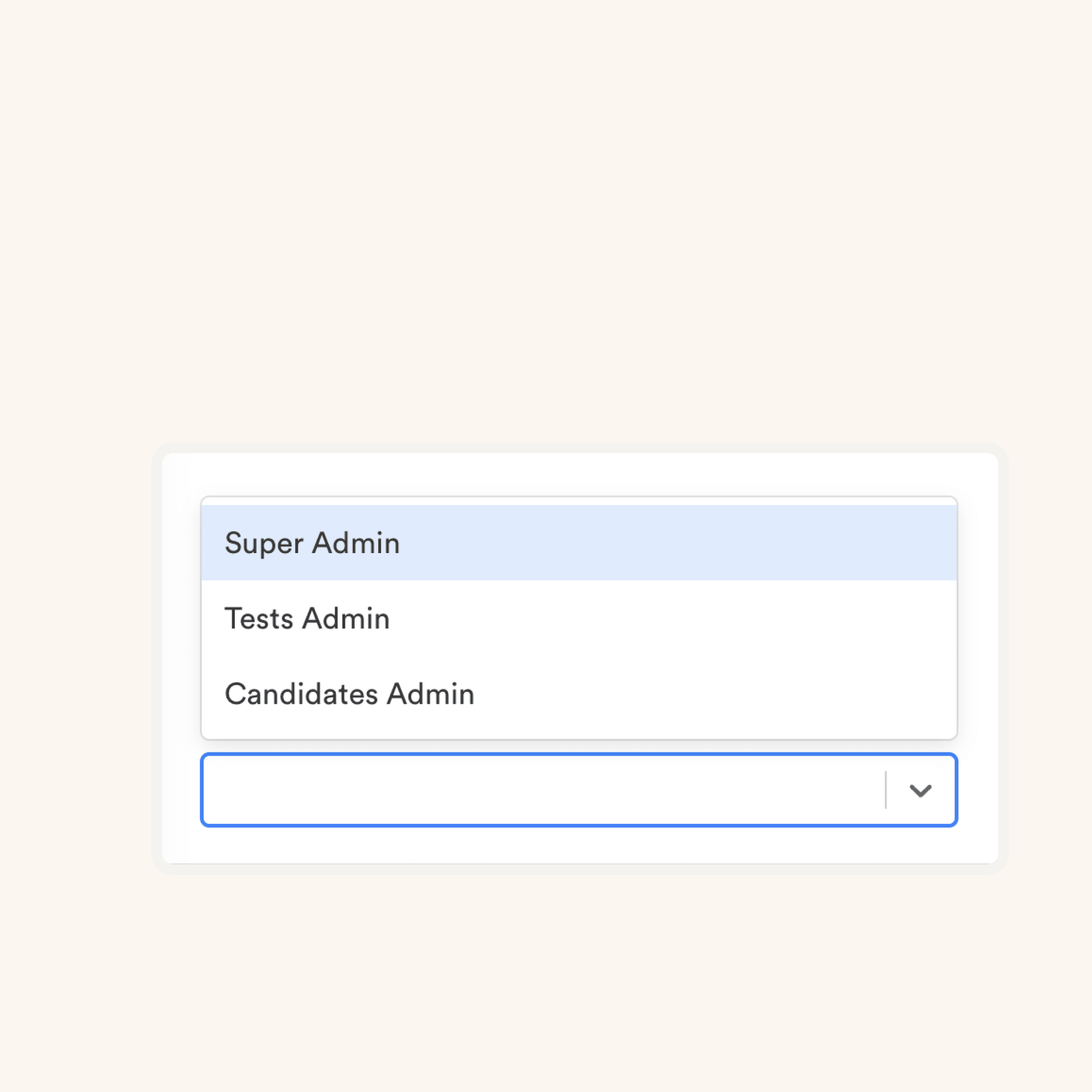
Role-based Access

Priority Support

GDPR Compliance

Screen candidates in 3 easy steps

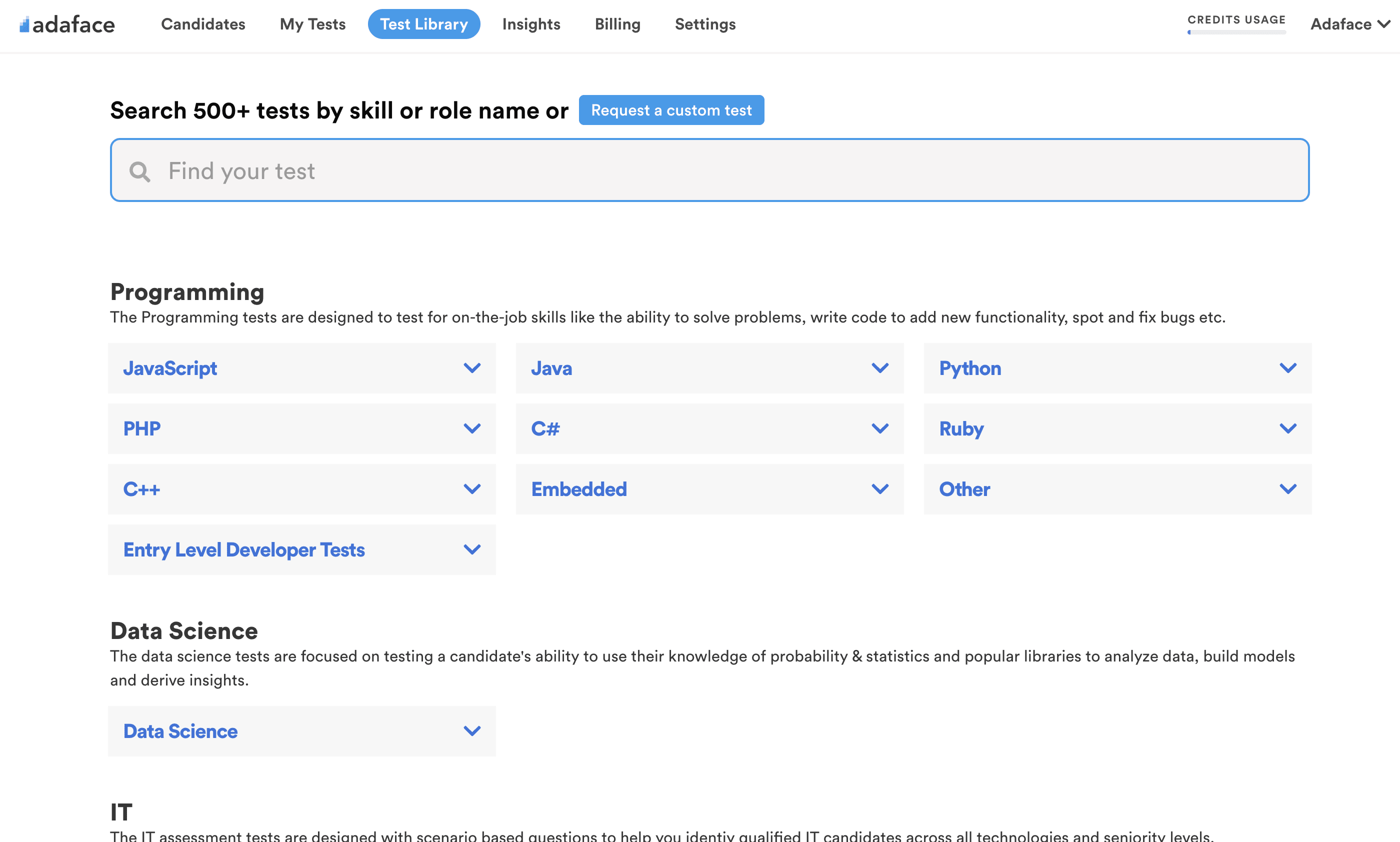
Pick a test from over 500+ tests

The Adaface test library features 500+ tests to enable you to test candidates on all popular skills- everything from programming languages, software frameworks, devops, logical reasoning, abstract reasoning, critical thinking, fluid intelligence, content marketing, talent acquisition, customer service, accounting, product management, sales and more.

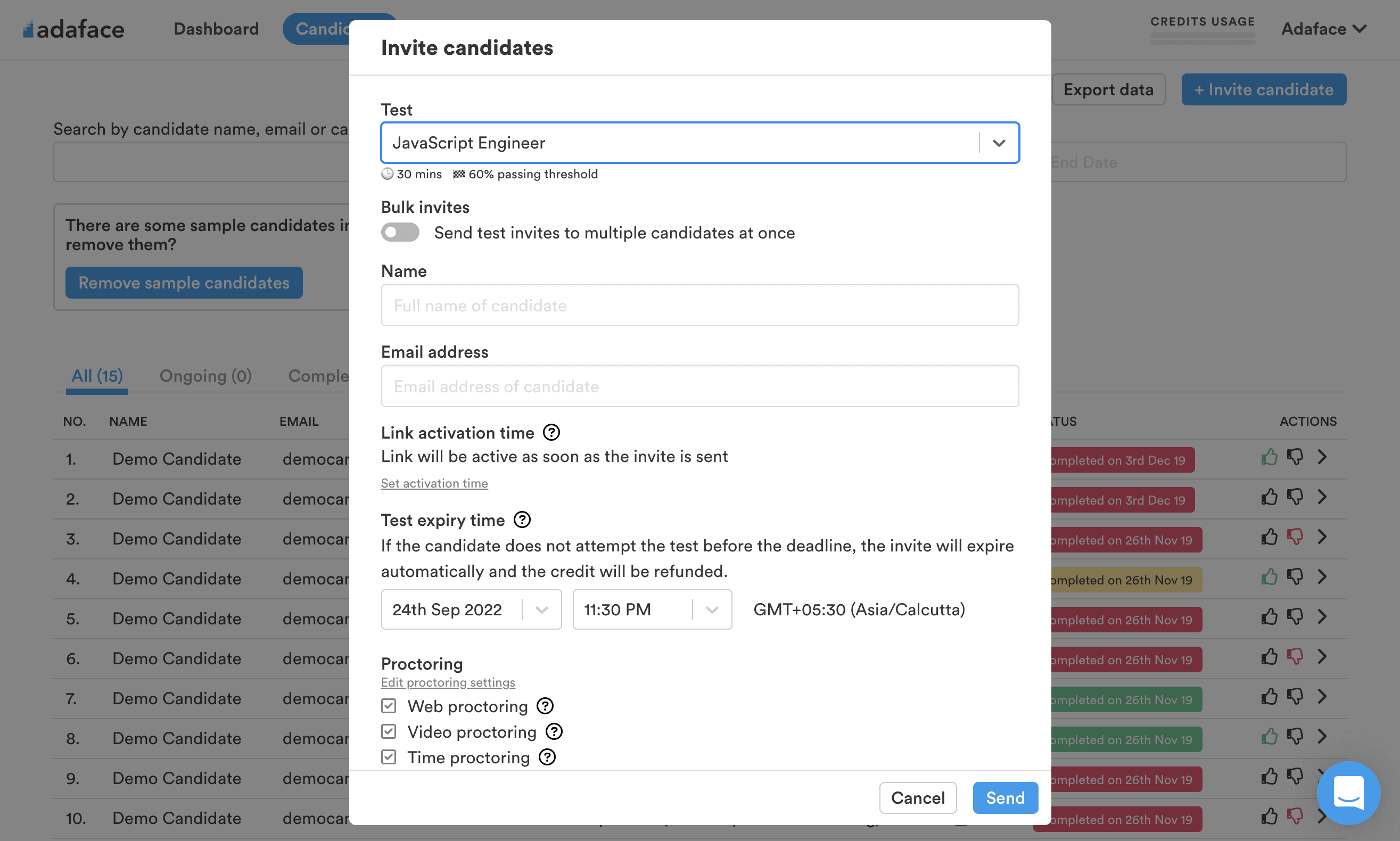
Invite your candidates with 2-clicks

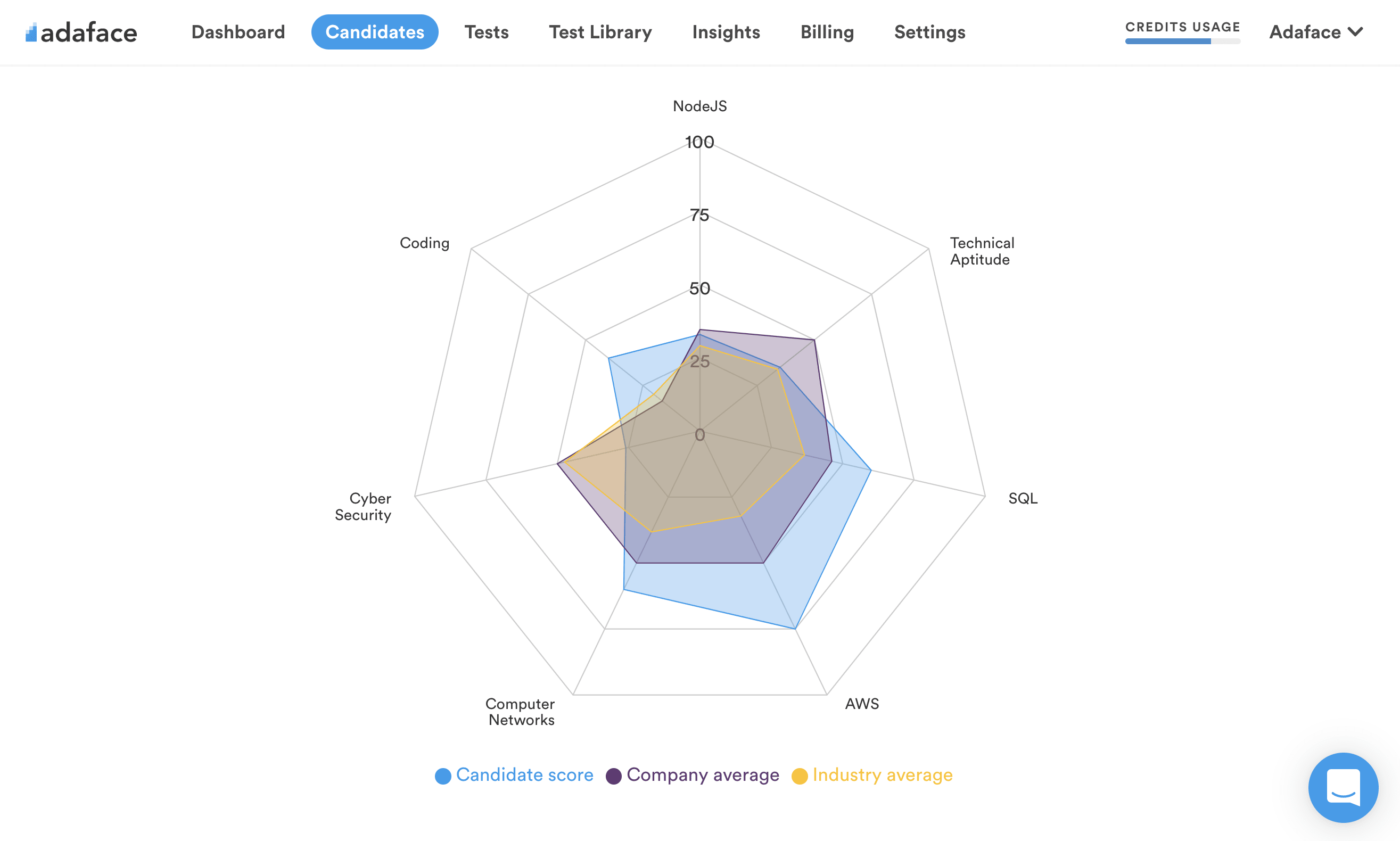
Make informed hiring decisions

Get started for free
Preview questions

Have questions about the AIOps Integrations Specialist Hiring Test?

What is AIOps Integrations Specialist Test?

The AIOps Integrations Specialist Test evaluates candidates on skills like Machine Learning Operations, Docker Containerization, DevOps Automation, LLM Model Inference, and AI Infrastructure Management. This test is used by recruiters to identify candidates with the necessary skills for integration roles in AI operations.

Can I combine the AIOps Integrations Specialist Test with MLOps questions?

Yes, recruiters can request a single custom test that includes MLOps questions along with the AIOps Integrations Specialist Test. To learn more about how we assess MLOps, check out the MLOps Skills Test.

What topics are evaluated in the AIOps Integrations Specialist Test?

The test covers topics including Machine Learning Operations, Docker, DevOps Automation, LLM Model Inference, AI Infrastructure Management, and more.

How to use AIOps Integrations Specialist Test in my hiring process?

Use it as a pre-screening tool at the start of your recruitment. Add a link in your job post or invite candidates via email.

What are the main DevOps tests?

The main DevOps tests include DevOps Online Test, Kubernetes Online Test, and Azure DevOps Test.

Can I combine multiple skills into one custom assessment?

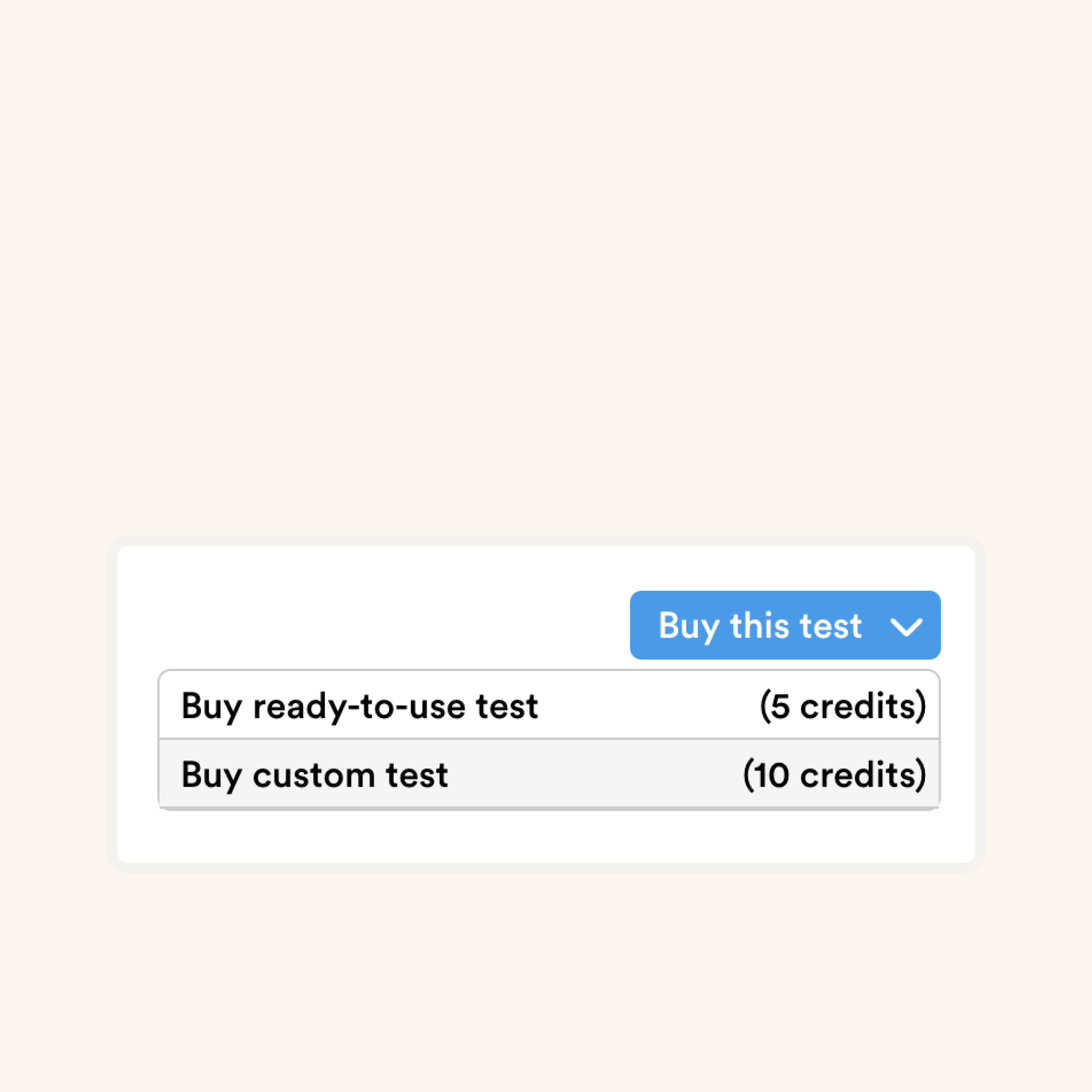
Yes, absolutely. Custom assessments are set up based on your job description, and will include questions on all must-have skills you specify. Here's a quick guide on how you can request a custom test.

Do you have any anti-cheating or proctoring features in place?

We have the following anti-cheating features in place:

  • Hidden AI Tools Detection with Honestly
  • Non-googleable questions
  • IP proctoring
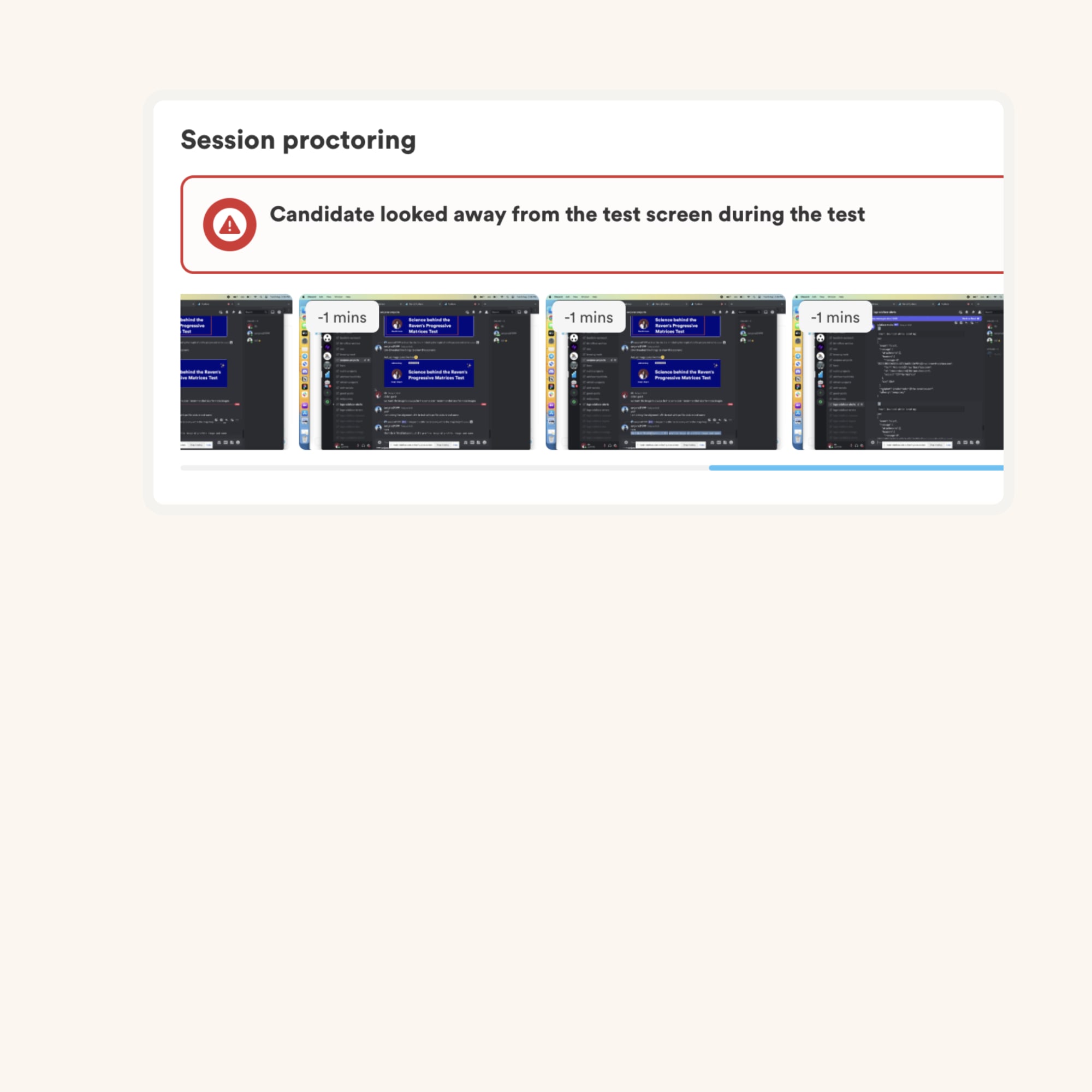
  • Screen proctoring
  • Web proctoring
  • Webcam proctoring
  • Plagiarism detection
  • Secure browser
  • Copy paste protection

Read more about the proctoring features.

How do I interpret test scores?

The primary thing to keep in mind is that an assessment is an elimination tool, not a selection tool. A skills assessment is optimized to help you eliminate candidates who are not technically qualified for the role, it is not optimized to help you find the best candidate for the role. So the ideal way to use an assessment is to decide a threshold score (typically 55%, we help you benchmark) and invite all candidates who score above the threshold for the next rounds of interview.

What experience level can I use this test for?

Each Adaface assessment is customized to your job description/ ideal candidate persona (our subject matter experts will pick the right questions for your assessment from our library of 10000+ questions). This assessment can be customized for any experience level.

Does every candidate get the same questions?

Yes, it makes it much easier for you to compare candidates. Options for MCQ questions and the order of questions are randomized. We have anti-cheating/ proctoring features in place. In our enterprise plan, we also have the option to create multiple versions of the same assessment with questions of similar difficulty levels.

I'm a candidate. Can I try a practice test?

No. Unfortunately, we do not support practice tests at the moment. However, you can use our sample questions for practice.

What is the cost of using this test?

You can check out our pricing plans.

Can I get a free trial?

Yes, you can sign up for free and preview this test.

I just moved to a paid plan. How can I request a custom assessment?

Here is a quick guide on how to request a custom assessment on Adaface.

View sample scorecard


Along with scorecards that report the performance of the candidate in detail, you also receive a comparative analysis against the company average and industry standards.
View sample scorecard
customers across world
Join 1200+ companies in 80+ countries.
Try the most candidate friendly skills assessment tool today.
g2 badges
Ready to use the Adaface AIOps Integrations Specialist Test?
logo
40 min tests.
No trick questions.
Accurate shortlisting.
Terms Privacy Trust Guide
ada
Ada
● Online
Previous
Score: NA
Next
✖️